
Loading, please wait...


LOT 0760
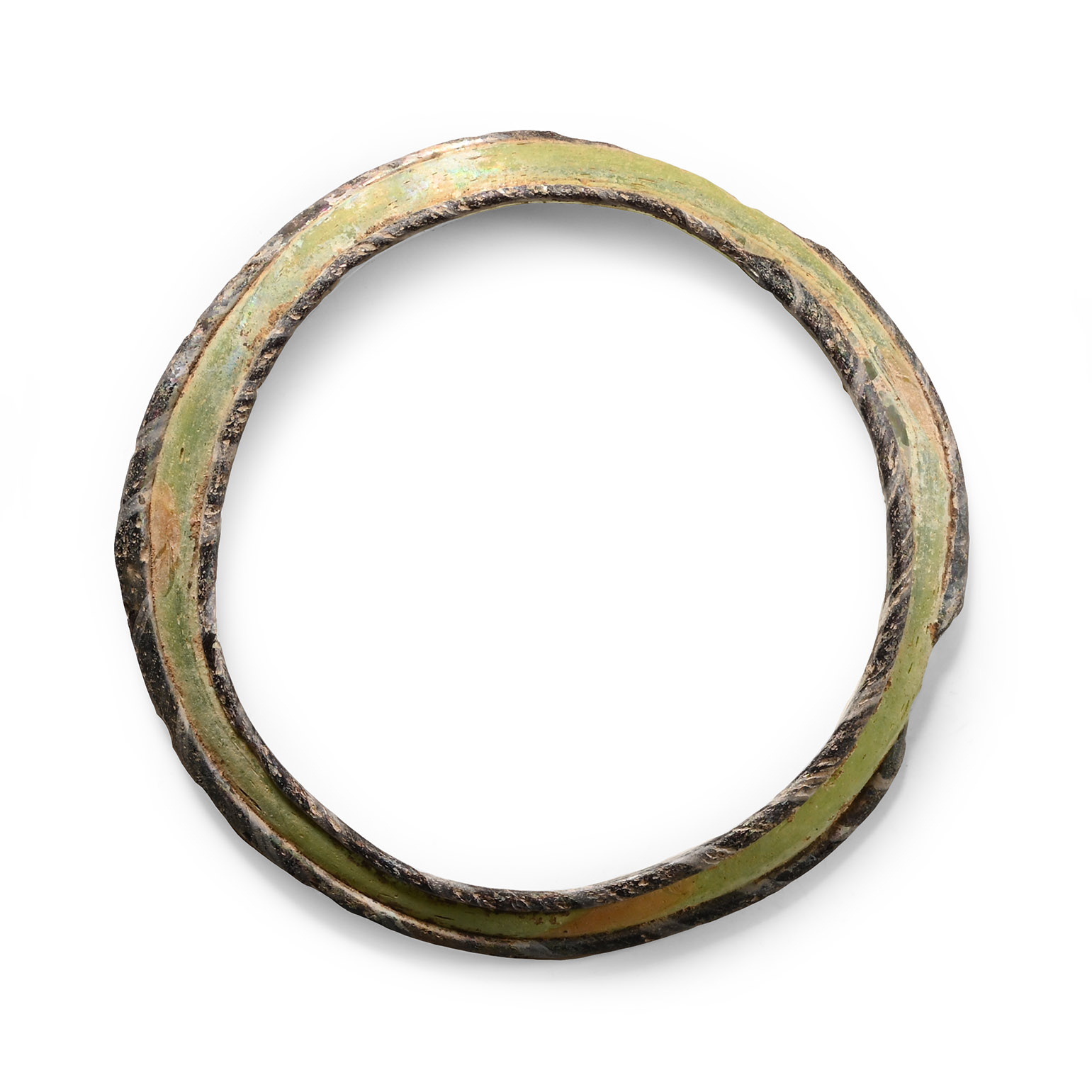
Late Roman Iridescent Multi-Coloured Bracelet
4TH-6TH CENTURY A.D.
3 3/8 in. (21.9 grams, 87 mm).
The shank triangular in section with applied polychrome trails to inner and outer edges.
ProvenanceAcquired 1980-2015.
Ex Abelita family collection.
TimeLine Auctions follows a vetting process to ensure the authenticity and legality of all items, reinforcing our commitment to integrity and responsible trading. Each antiquity, antique, and coin lot undergoes thorough examination by a vetting committee of at least ten external specialists, professional trade association members, scientists, and archaeologists: Our Vetting Process
AUCTIONS:
TimeLine is a leading auction house specialising in antiquities, ancient art, collectables, natural history, coins, medals, and books. Our auctions offer museums, collectors, historians, and enthusiasts the opportunity to acquire unique and historically significant pieces.
LOT 0760
Late Roman Iridescent Multi-Coloured Bracelet
Estimate £100 - 140€120 - 160 (for guidance only)$140 - 190 (for guidance only)
-
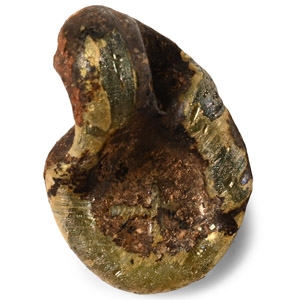
Late Roman Glass Pendant with Cross
4th-5th century A.D.Estimate: £100 - 140 (+bp*)
Opening Bid: £50
With impressed cross motif. 1.45 grams, 20 mm
Collected from 1970-1999. From the collection of the late Mr S.M., London, UK. -
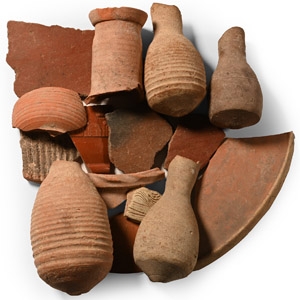
Roman Ceramic Vessel and Sherd Group
Mainly 1st-2nd century A.D.Sold for (Inc. bp): £46
Including ribbed ceramic bottle, fragments of sidewall with ribbing, applied swirl detailing and other types. 324 grams total, 2.4-11.7 cm
From a family collection mostly formed in the 1940s-1950s, thence by descent. -
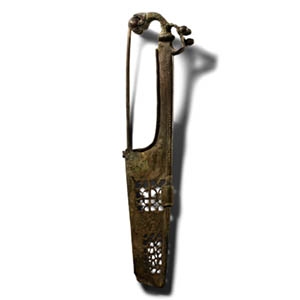
Massive Roman Pannonian Bronze Bow Brooch
1st century A.D.Sold for (Inc. bp): £1,040
Flügelfibeln type bow-brooch with spring and pin, trumpet-shaped finial with opposed knops on the curved horns, pointilé detailing to the spine. long catchplate with pierced tracery; reinforcing strip applied in antiquity. 73 grams, 19 cm
Acquired on the UK art market before 2000. Property of an Essex, UK, gentleman.
