
Loading, please wait...
LOT 0682
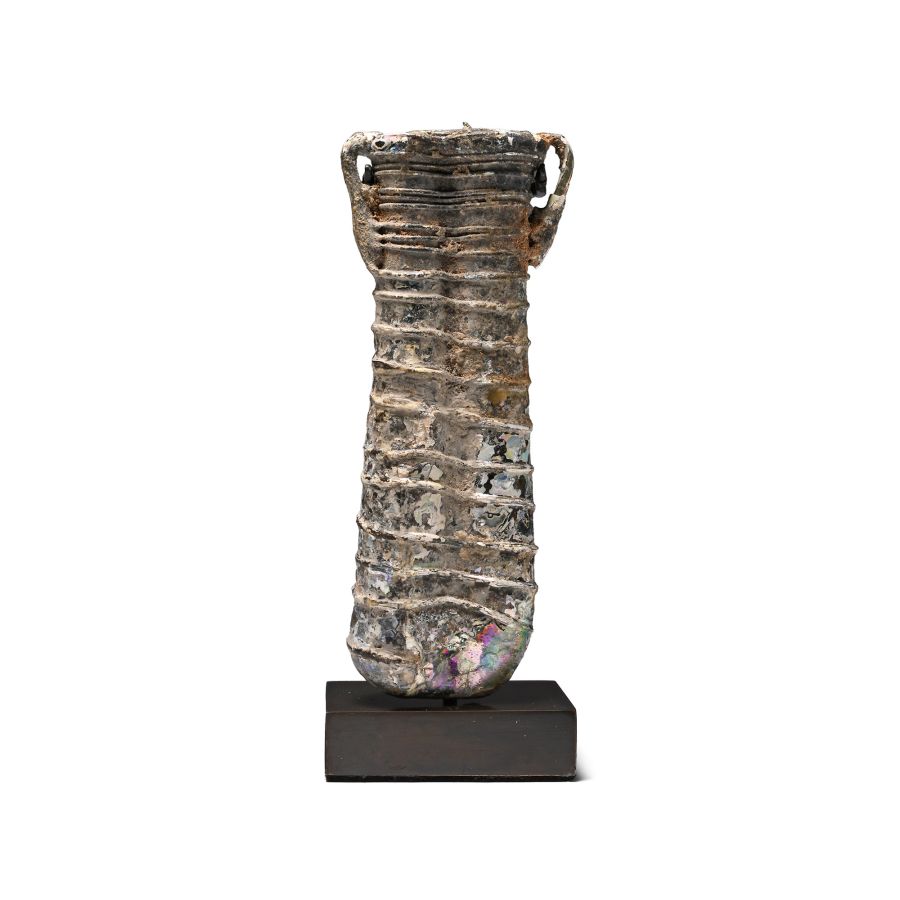
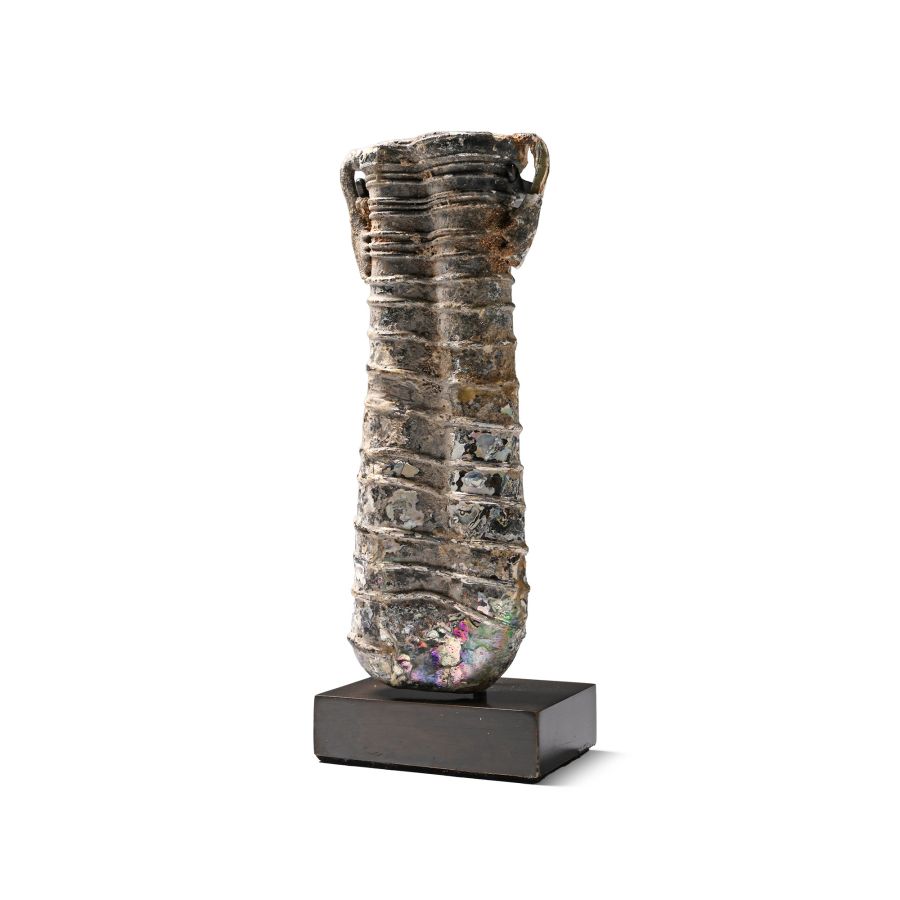
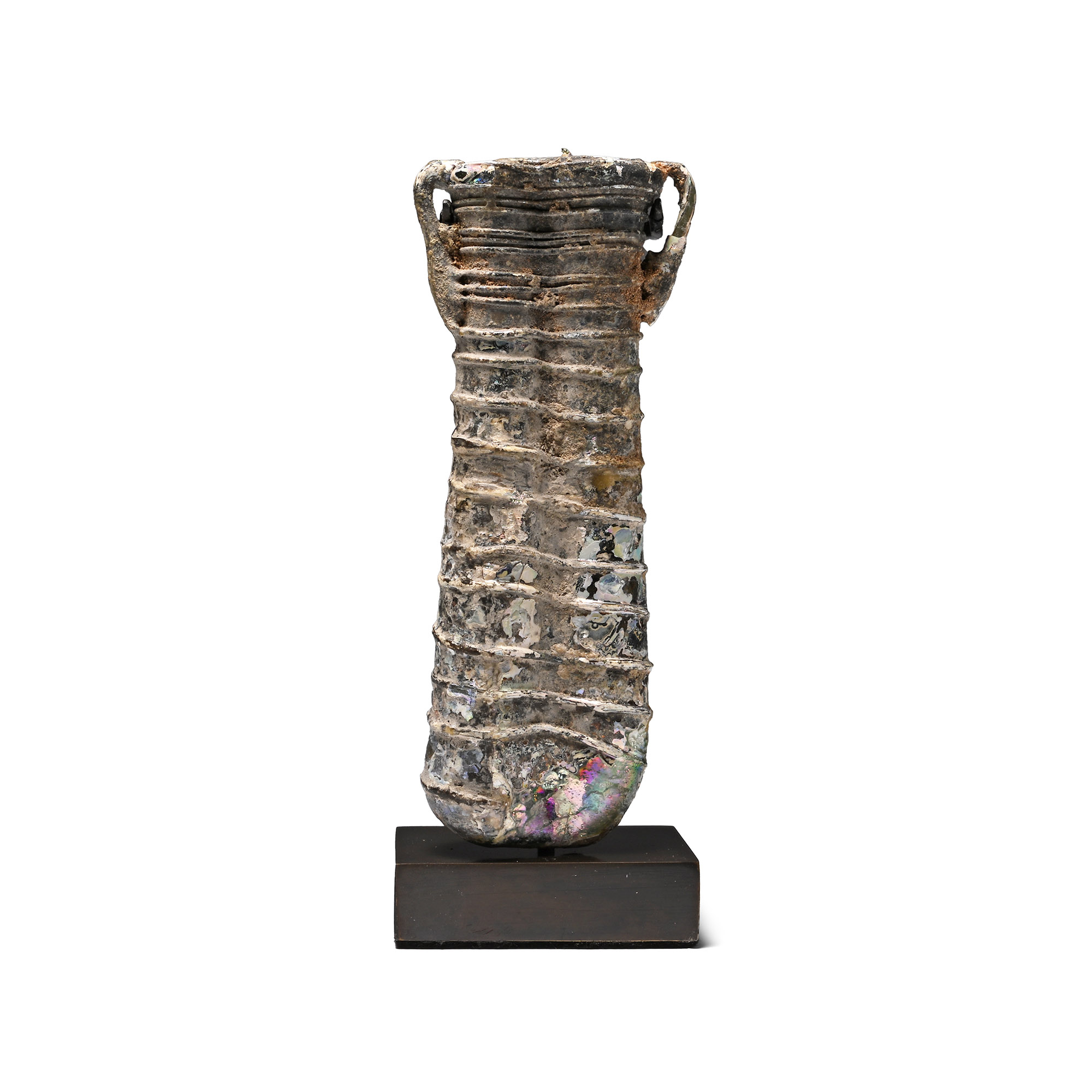
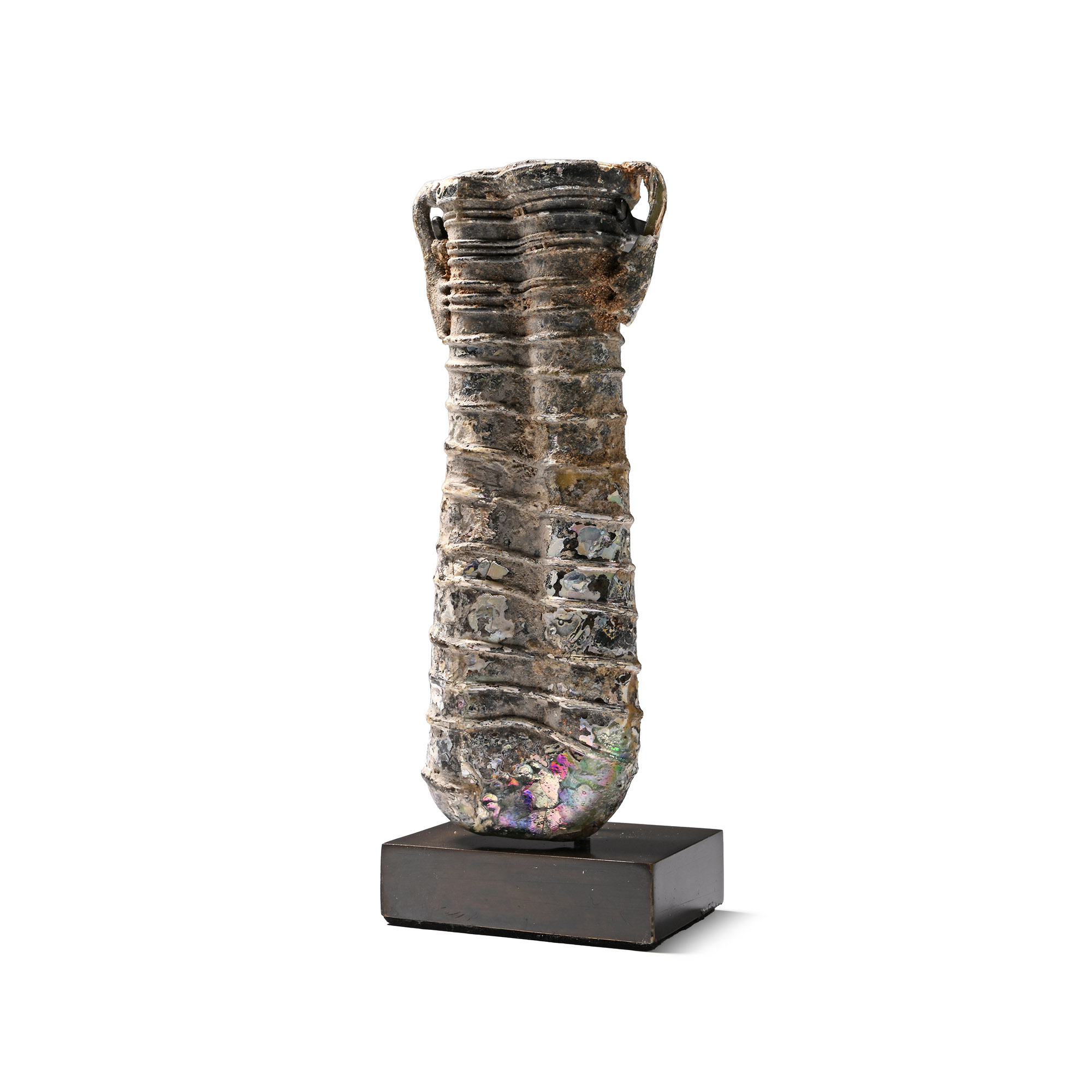
Late Roman Glass Double Unguentarium
5TH-6TH CENTURY A.D.
4 1/2 in. (5 3/8 in.) (53.7 grams, 11.6 cm (116 grams total, 13.5 cm including stand)).
Composed of two conjoined tapering tubular cells, with lateral applied handles at the shoulder, decorated with applied trails; mounted on a custom-made stand.
ProvenanceFrom an important London collection of glass, 1990s.
LiteratureCf. Bergman, M. et al., Ancient Glass in the Carnegie Museum of Natural History, Pittsburgh, 1980, items 194-198, for similar; Whitehouse, D., Roman Glass in the Corning Museum of Glass, vol.2, New York, 2001, item 742, for type.
FootnotesThese late Roman double cosmetic tubes were mainly produced in the Eastern provinces. They were formed as two tubes, side by side, made from a single bubble of glass by pinching the sides vertically to form a diaphragm. The decoration consisted of a trail wound once around the body just below the rim, and a further trail wound in a spiral several times around the body.
CONDITIONTimeLine Auctions follows a vetting process to ensure the authenticity and legality of all items, reinforcing our commitment to integrity and responsible trading. Each antiquity, antique, and coin lot undergoes thorough examination by a vetting committee of at least ten external specialists, professional trade association members, scientists, and archaeologists: Our Vetting Process
AUCTIONS:
TimeLine is a leading auction house specialising in antiquities, ancient art, collectables, natural history, coins, medals, and books. Our auctions offer museums, collectors, historians, and enthusiasts the opportunity to acquire unique and historically significant pieces.
LOT 0682
Late Roman Glass Double Unguentarium
Estimate £300 - 400€350 - 460 (for guidance only)$410 - 540 (for guidance only)
-
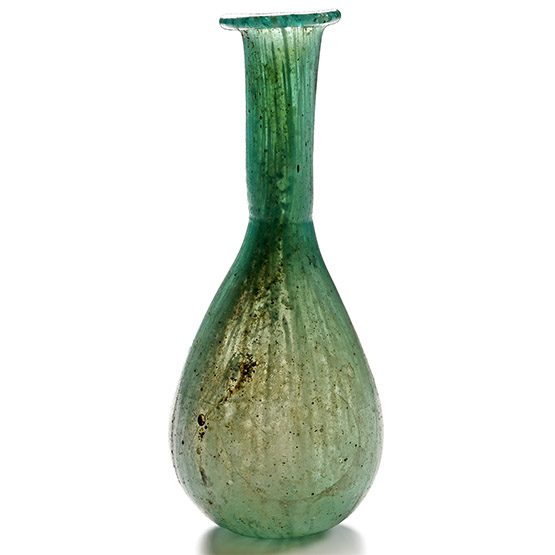
Roman Marbled Turquoise Glass Bottle
1st century A.D.Estimate: £500 - 700 (‡+bp*)
Opening Bid: £250
Comprising an iridescent piriform body, tapering tubular neck with pinched and everted rolled rim. 9.44 grams, 84 mm
Acquired on the European art market in 2001. -
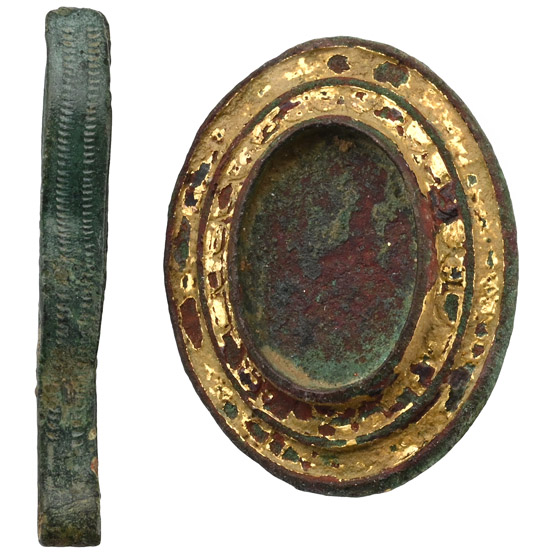
Roman Gilt Bronze Brooch and Medieval Tweezers
2nd-15th century A.D.Sold for (Inc. bp): £52
Comprising: ellipsoid plate brooch with gilt border and central cell, pin-lug and catch to reverse; flat-section tweezers found in association with the brooch. 12.5 grams total, 32-37.6 mm
Found whilst searching with a metal detector near Dullingham, East Cambridgeshire, UK, on Friday 13th December 2024 and Thursday 1st May 2025. Accompanied by copies of the British Museum's Portable Antiquities Scheme (PAS) report nos.SF-9D6556 and SF-CF180C. -
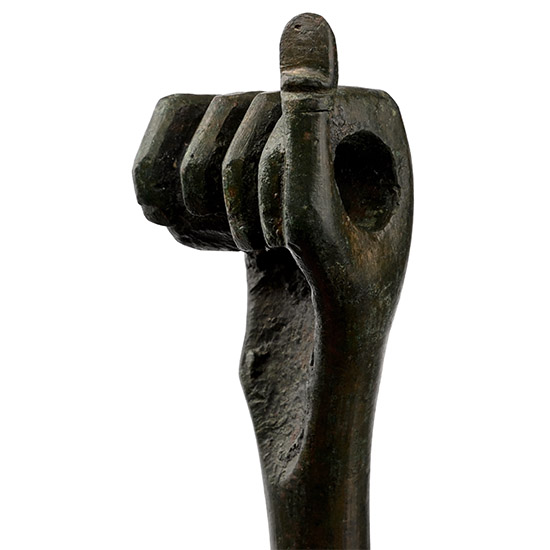
Roman Bronze Lamp Holder Shaped as Arm
Circa late 2nd-4th century A.D.Sold for (Inc. bp): £702
Comprising a tapering square-section spike below a stepped flange, columnar arm developing to a clenched fist with vertical socket. 429 grams, 27.5 cm
Ex German art market, 2000s. Acquired from an EU collector living in London. From the collection of a Surrey, UK, gentleman.
