
Loading, please wait...


LOT 0589
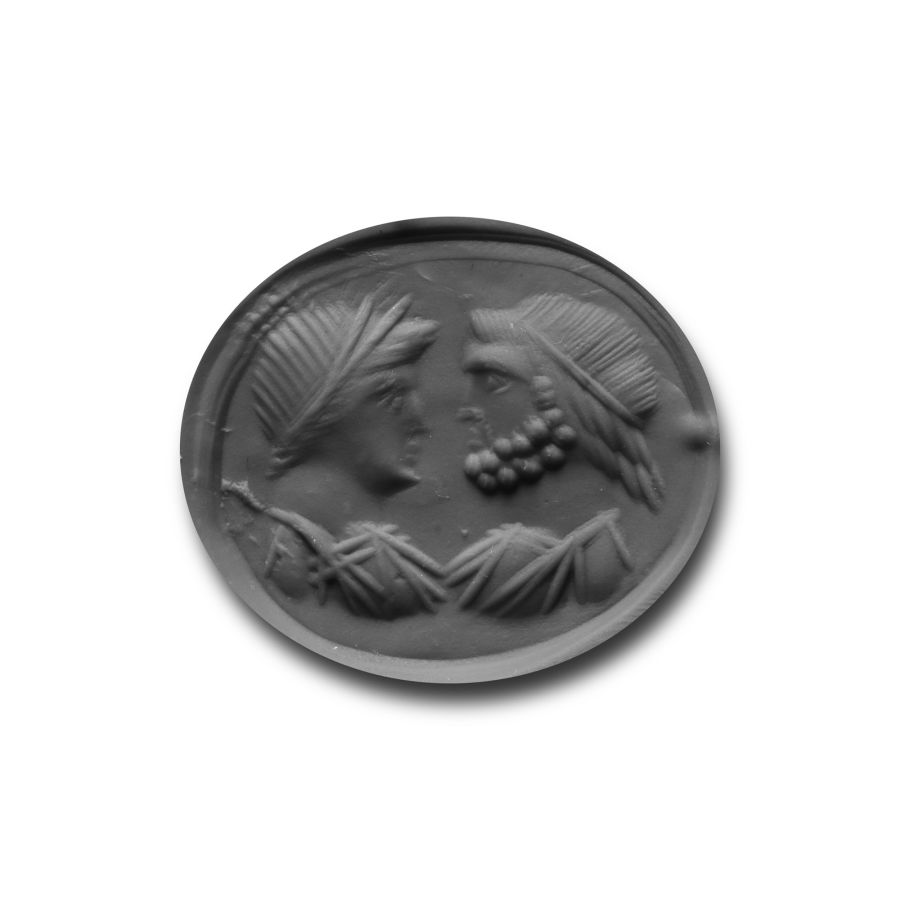
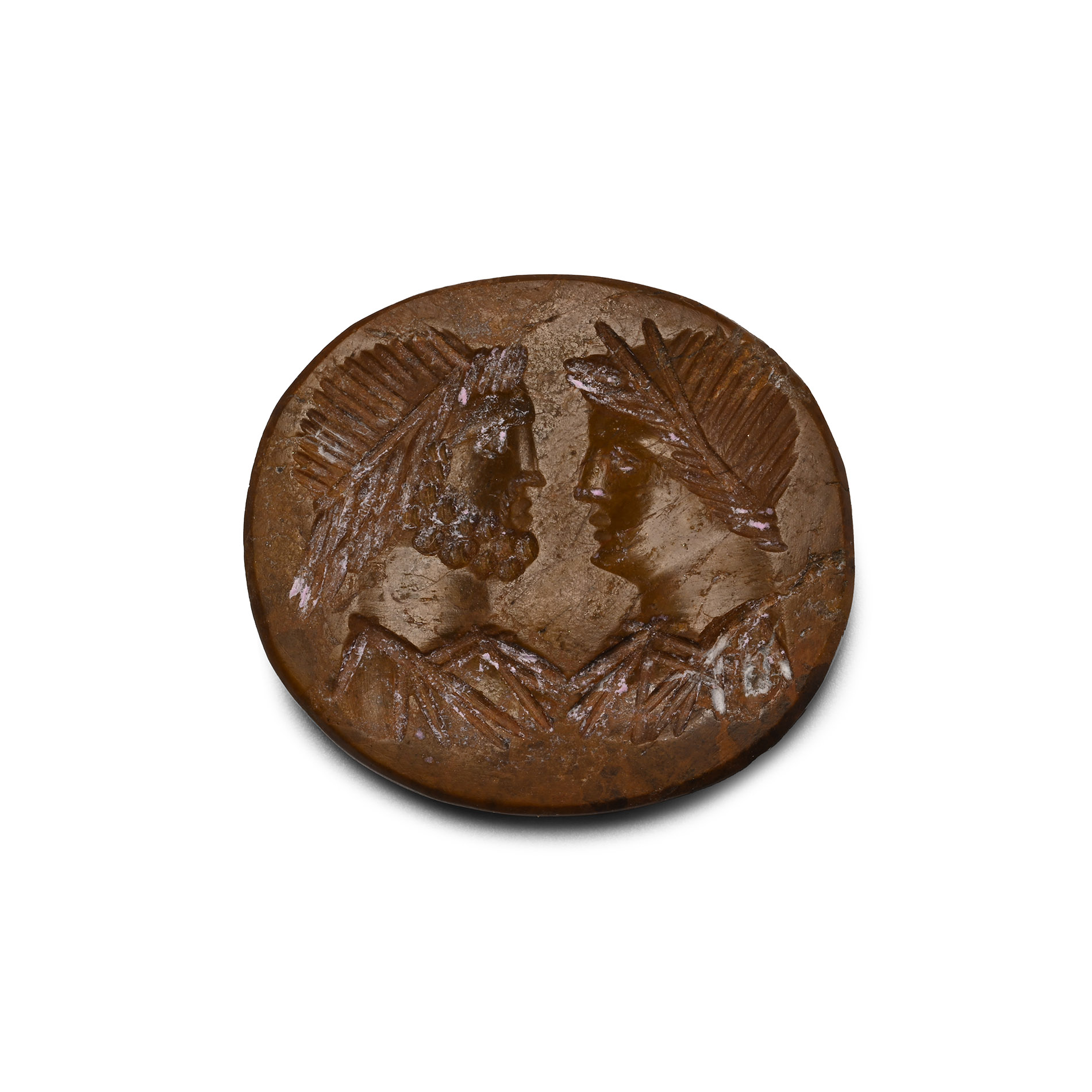
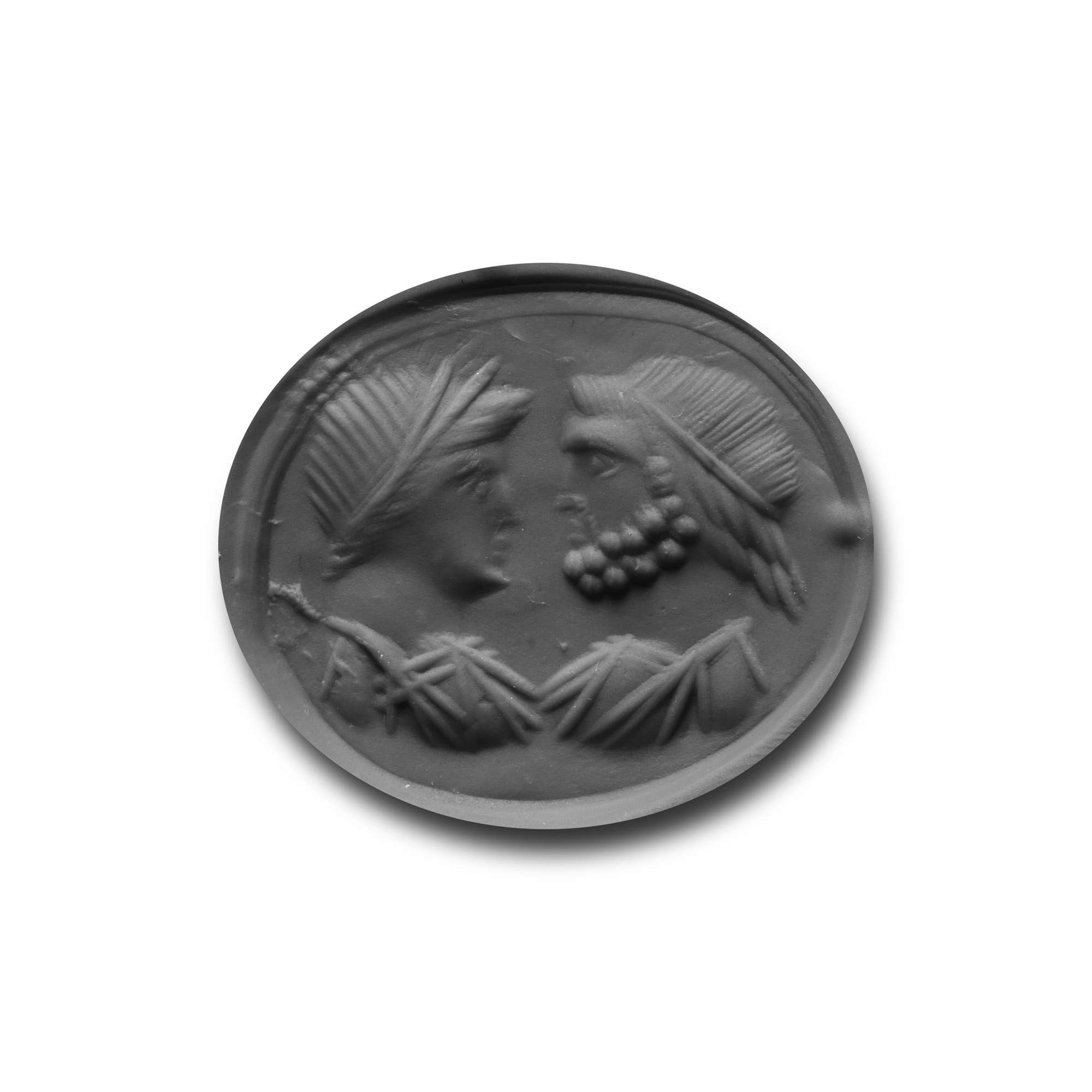
Late Roman Carnelian Double Portrait Gemstone
4TH CENTURY A.D.
1 in. (3.38 grams, 24 mm).
A brown oval intaglio with two facing male busts, both diademed and togate, the left bust bearded, possibly depicting Serapis and Horus.
ProvenanceMr F.D. collection, acquired on the European art market, 1975 to present.
This lot is accompanied by an illustrated lot declaration signed by the Head of the Antiquities Department, Dr Raffaele D’Amato.
TimeLine Auctions follows a vetting process to ensure the authenticity and legality of all items, reinforcing our commitment to integrity and responsible trading. Each antiquity, antique, and coin lot undergoes thorough examination by a vetting committee of at least ten external specialists, professional trade association members, scientists, and archaeologists: Our Vetting Process
AUCTIONS:
TimeLine is a leading auction house specialising in antiquities, ancient art, collectables, natural history, coins, medals, and books. Our auctions offer museums, collectors, historians, and enthusiasts the opportunity to acquire unique and historically significant pieces.
-
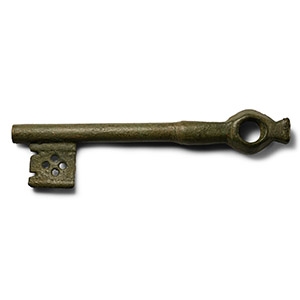
Large Romano-British Bronze Door Key
1st-3rd century A.D.Sold for (Inc. bp): £182
With slender barrel, pierced bulb handle, square ward with four piercings and two bits to the forward edge. 106 grams, 14.2 cm
Found North Yorkshire, UK, circa 2005. Acquired in the UK circa 2008. Ian Wilkinson collection, Nottinghamshire, UK, formed since 1985. This lot is accompanied by an illustrated lot declaration signed by the Head of the Antiquities Department, Dr Raffaele D’Amato. -
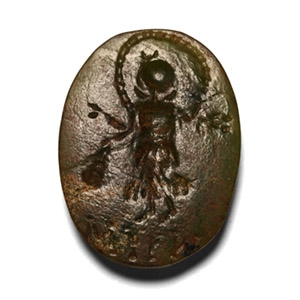
Roman Gnostic Magical Gemstone with Goddess Selene
3rd century A.D.Sold for (Inc. bp): £1,690
An oval-shaped amuletic peridot gemstone intaglio with bevelled edge, engraved with facing figure of goddess Selene advancing left, wearing a peplos with billowing veil or shawl above, crescent at neck and to head, holding a torch; Greek inscription 'MY' and inversed 'MI' below; supplied with a museum-quality impression. 3.07 grams, 21 mm
Acquired 1979-1999. London collection of the late Mr S.M., thence by descent. Acquired on the UK art market. Private collection, London, UK. This lot is accompanied by an illustrated lot declaration signed by the Head of the Antiquities Department, Dr Raffaele D’Amato. -
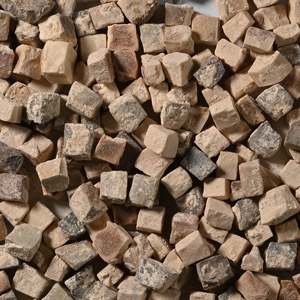
Roman Mosaic Stone Tesserae Group
1st-4th century A.D.Sold for (Inc. bp): £286
A mixed group of two hundred and fifty single tesserae of various colours and sizes, mostly cuboid. 346 grams total, 7-15 mm
From a collection acquired on the UK art market from various auction houses and collections mostly before 2000. From an important Cambridgeshire estate; thence by descent. This lot is accompanied by an illustrated lot declaration signed by the Head of the Antiquities Department, Dr Raffaele D’Amato.
