
Loading, please wait...
LOT 0333
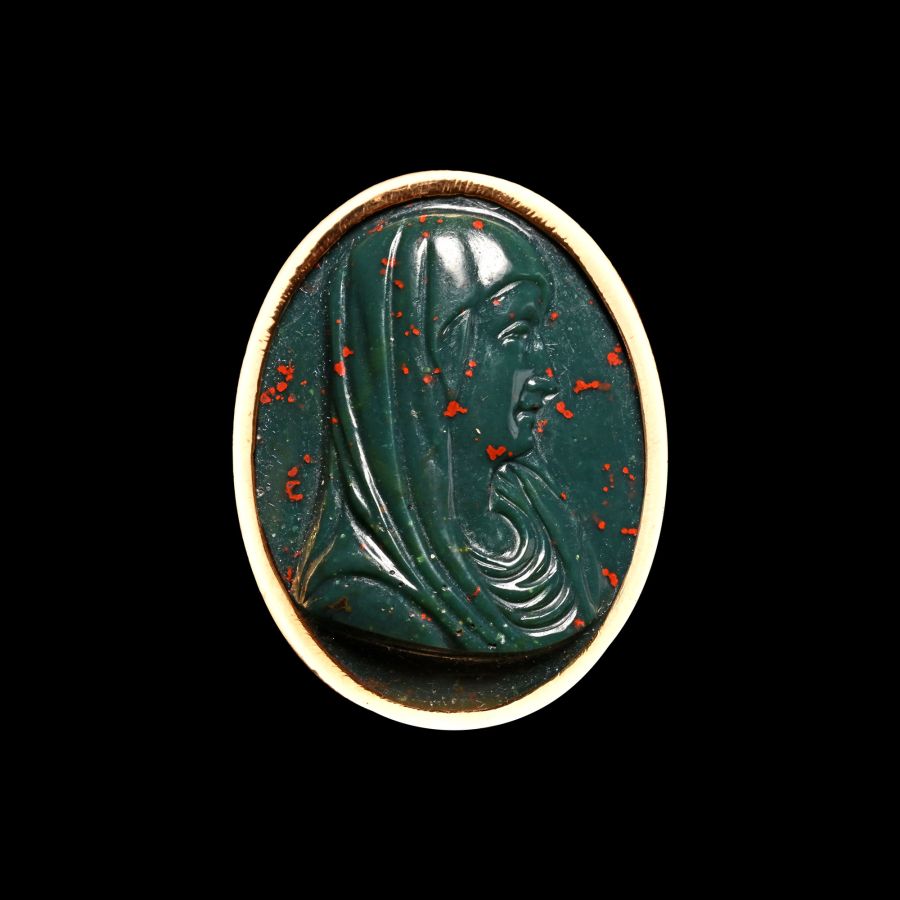
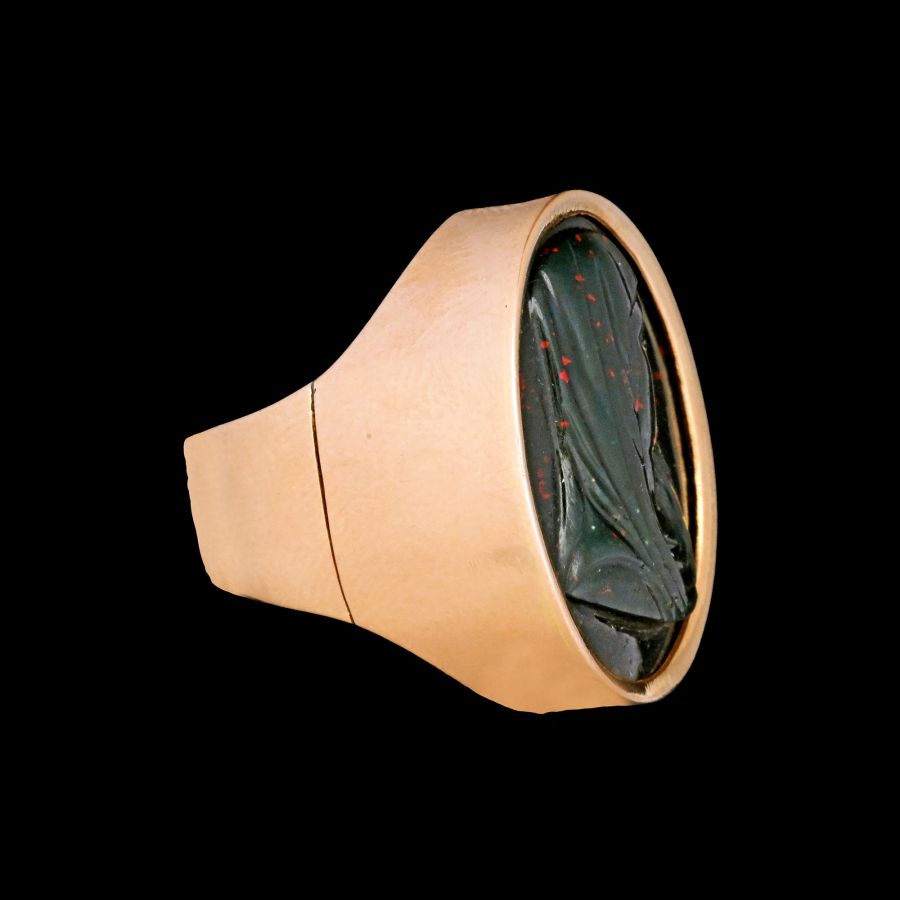
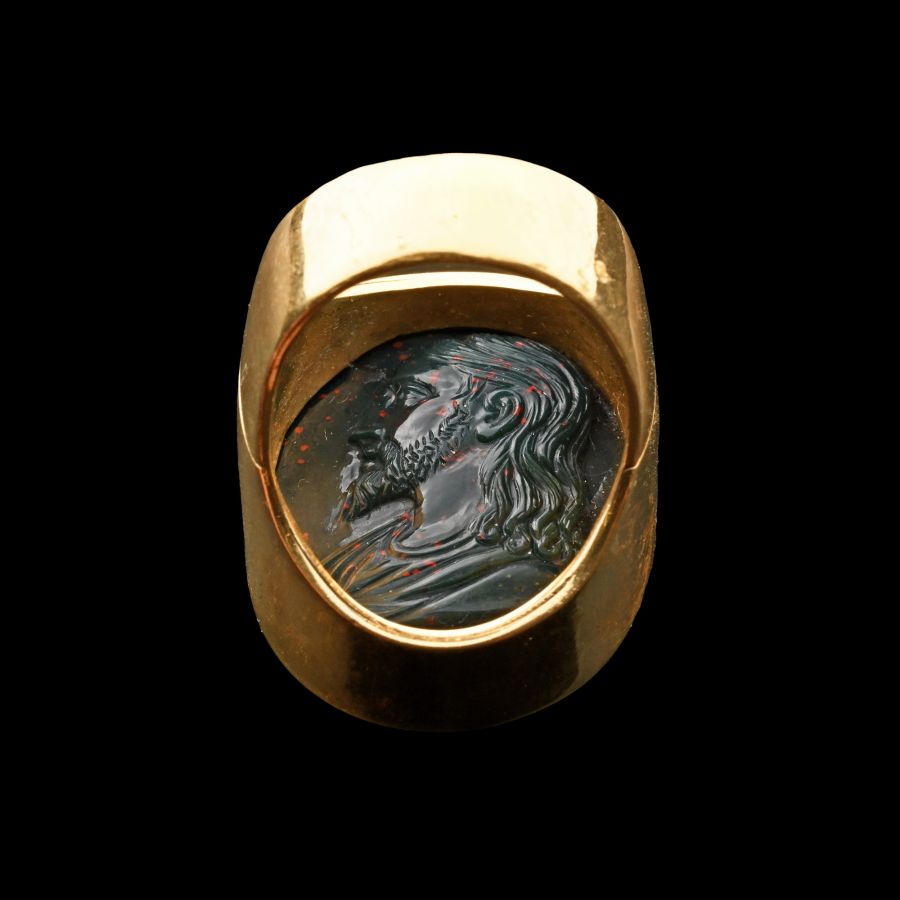
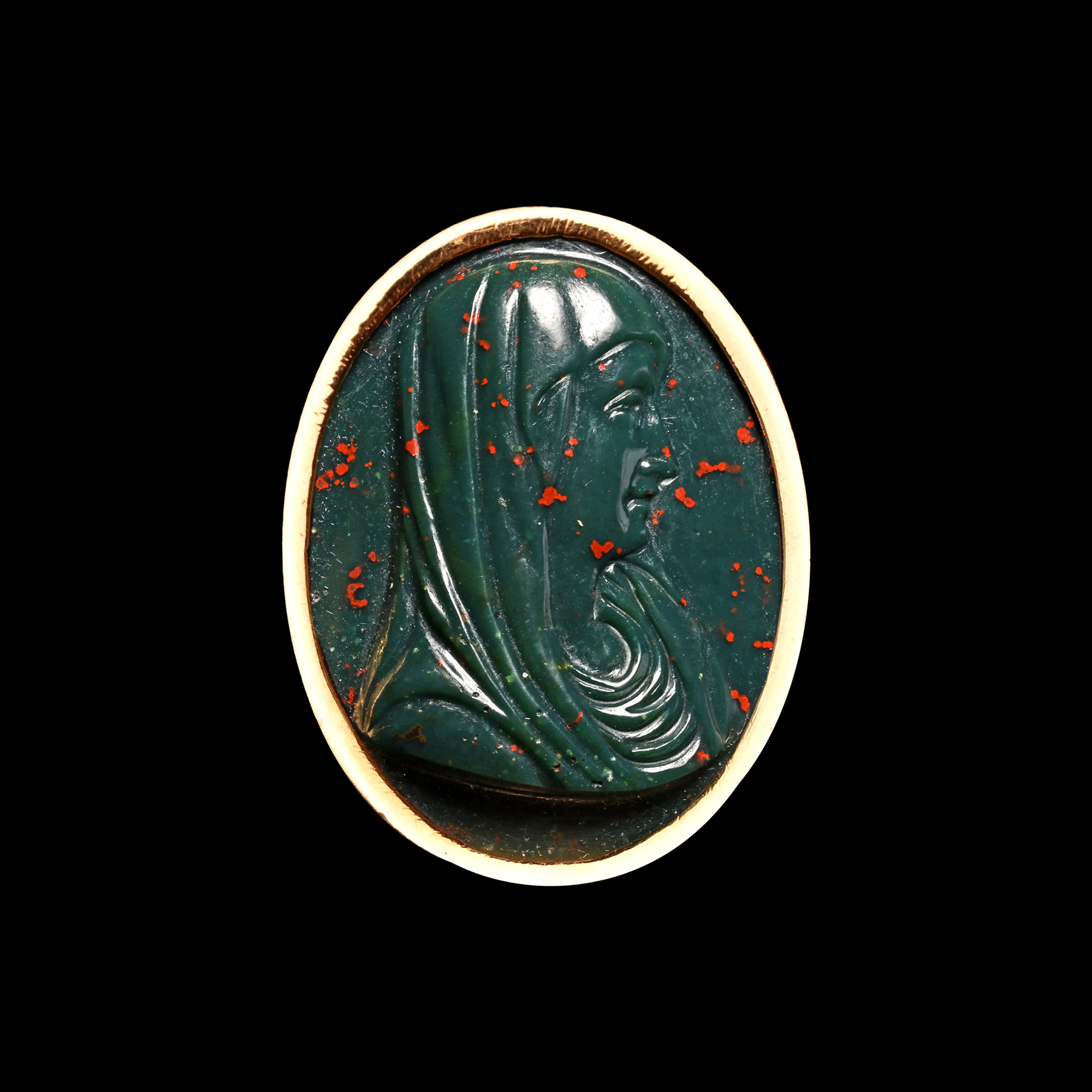
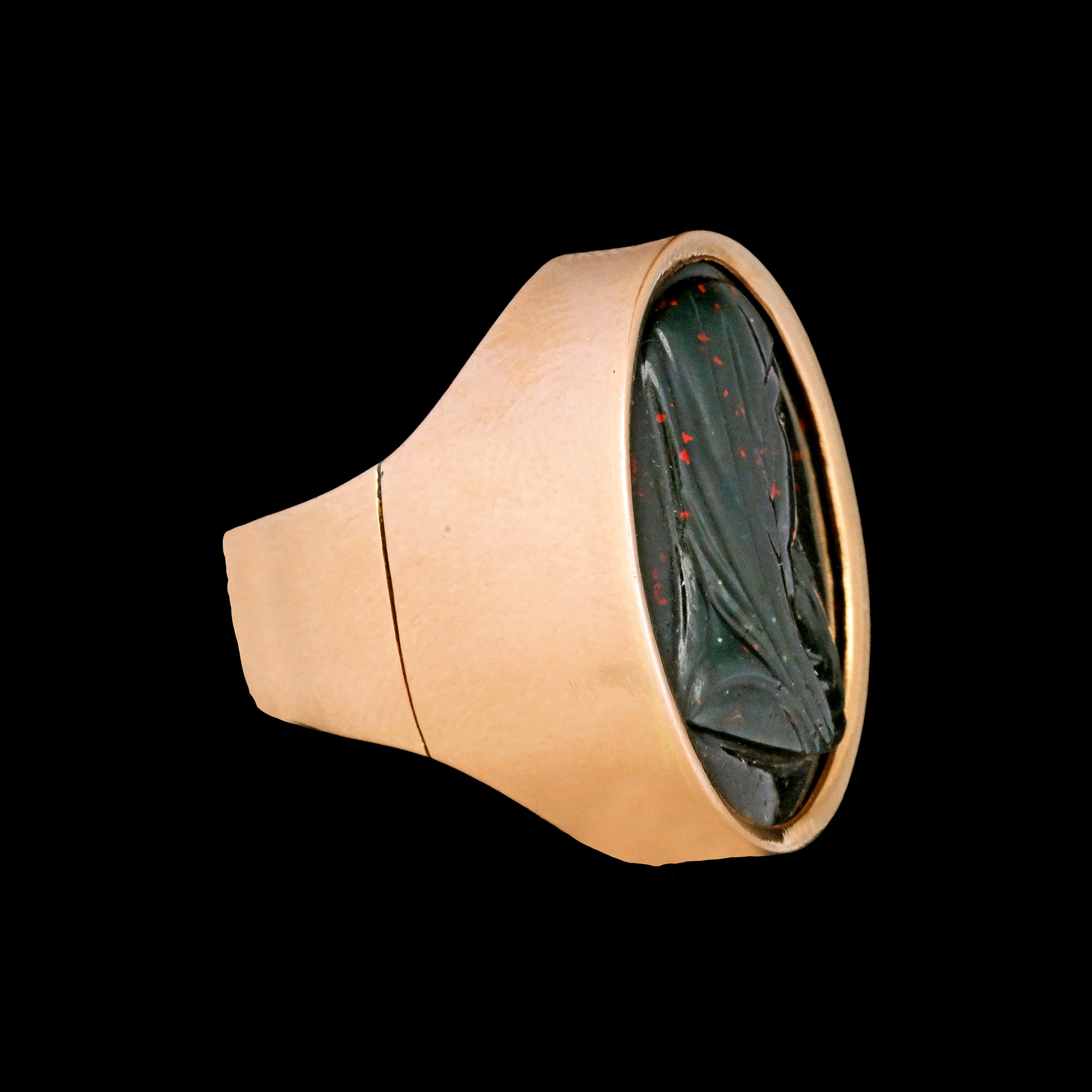
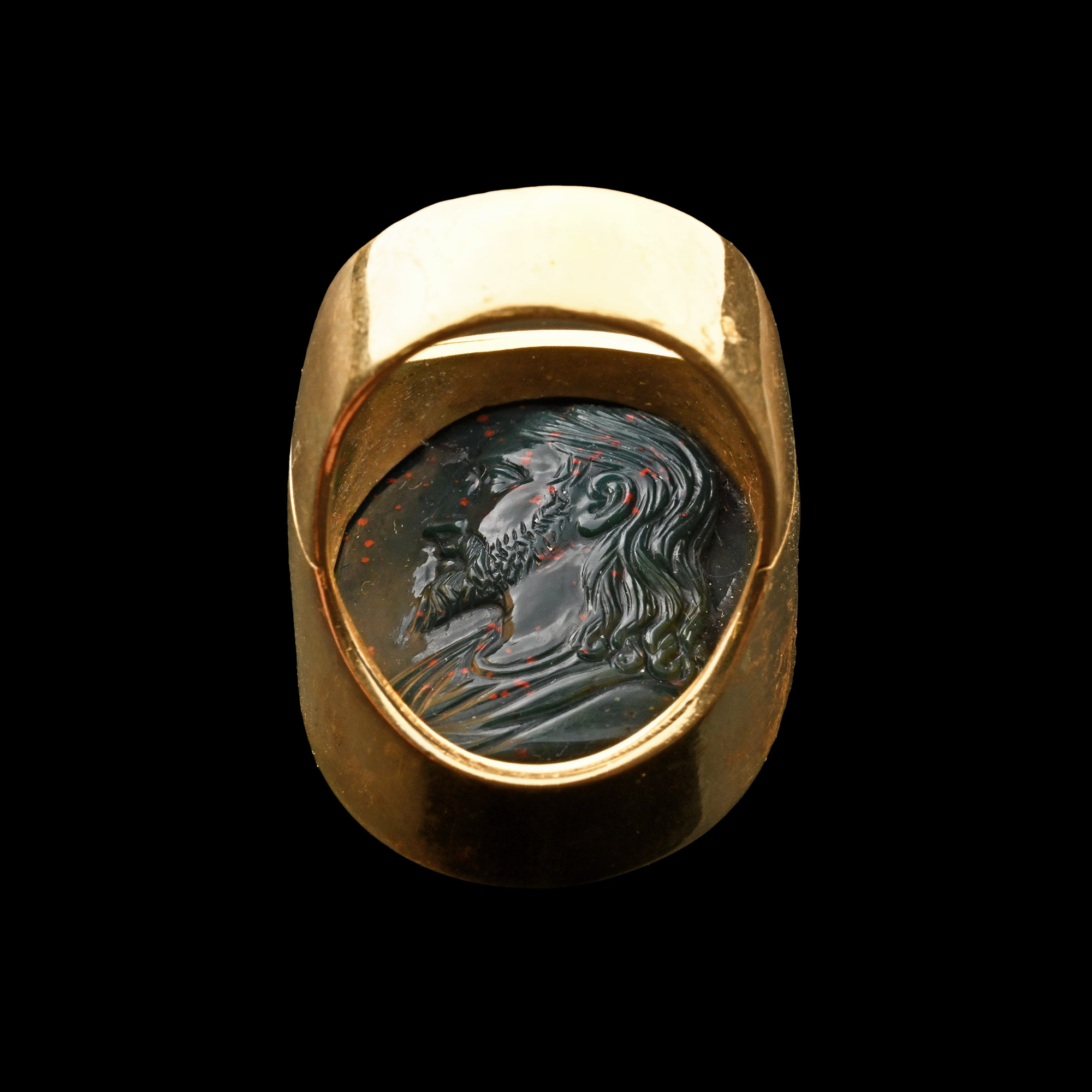
Late Renaissance Double-Sided Heliotrope Cameo of Christ and the Virgin in Gold Ring
ITALY, 17TH CENTURY A.D.
1 in. (15.59 grams, 25.53 mm overall, 16.26 mm internal diameter (approximate size British K, USA 5 1/4, Europe 9.95, Japan 9)).
Comprising a dark green oval cameo with bright red flecks, on the upper side, a veiled head of Mary with a solemn expression, the underside featuring a classical depiction of bearded Jesus with long hair and wearing a draped garment; set in a substantial gold ring with a wide hoop.
ProvenanceAcquired on the European art market.
This lot has been checked against the Interpol Database of stolen works of art and is accompanied by search certificate number no.13390-257998.
Cf. the cameo follows a known model which is seen in a number of double-sided cameos found in the Museo degli Argenti, Palazzo Pitti, published in R. Gennaioli, Le gemme dei Medici al Museo degli Argenti: Cammei e Intagli nelle collezioni di Palazzo Pitti, Florence, 2007, pp. 337-338, nos. 437-439; a lapis lazuli cameo of the Virgin in the catalogue of The Marlborough Gems, by John Boardman, fig. 383; for further examples, see The British Museum, London, museum no.1867,0507.732, the Metropolitan Museum of Art, New York, accession numbers 1982.60.393 and 39.22.6, and the Hermitage Museum, inventory number: К-649.
FootnotesIt was believed that the scarlet flecks in the stone were the blood of Christ, hence its popular use for the subject of Christ throughout the Middle Ages until the 19th century.
CONDITIONTimeLine Auctions follows a vetting process to ensure the authenticity and legality of all items, reinforcing our commitment to integrity and responsible trading. Each antiquity, antique, and coin lot undergoes thorough examination by a vetting committee of at least ten external specialists, professional trade association members, scientists, and archaeologists: Our Vetting Process
AUCTIONS:
TimeLine is a leading auction house specialising in antiquities, ancient art, collectables, natural history, coins, medals, and books. Our auctions offer museums, collectors, historians, and enthusiasts the opportunity to acquire unique and historically significant pieces.
LOT 0333
Late Renaissance Double-Sided Heliotrope Cameo of Christ and the Virgin in Gold Ring
Estimate £3,500 - 4,500€4,060 - 5,220 (for guidance only)$4,730 - 6,080 (for guidance only)
-
Album of 19th Century Grand Tour Prints Including the Medici Tombs in Florence
19th century A.D.Sold for (Inc. bp): £455
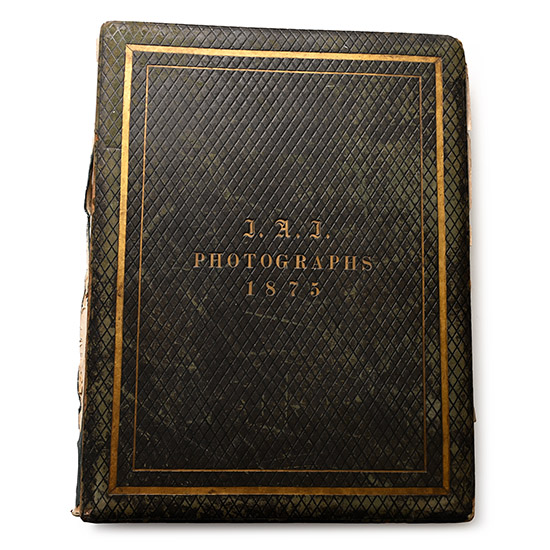
Large album containing black-and-white prints of architectural features, including the sarcophagus of Alexander the Great, some with pencilled notes beneath, and also including some unmounted and duplicate prints; covers detached. 5.34 kg, 42 x 32.5 cm
Private collection, UK. -
Large Marble Relief with Three Figures
18th-19th century A.D.Sold for (Inc. bp): £5,720
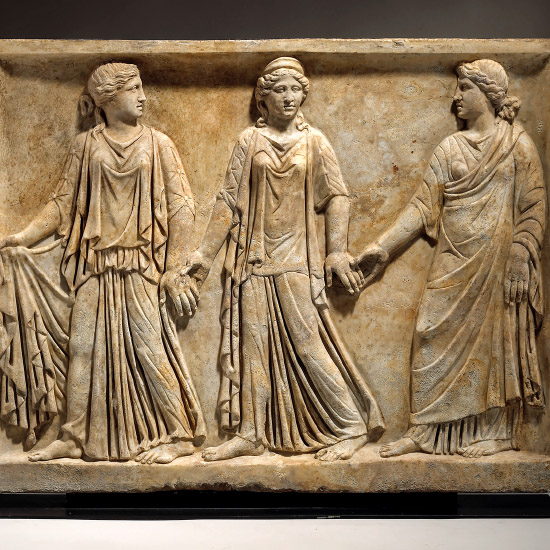
Rectangular slab with raised border and high-relief scene; three standing females wearing floor-length draped and tiered robes, holding hands; the left figure with right hand extended slightly, holding out the folds of her robe, head turned back towards the middle figure whose hand she holds; middle figure facing with diadem in her neatly dressed hair, holding the extended hand of the third figure holding the hem of her robe and angled stiffly away from the others. 145 kg total including stand, 106.5 cm wide
Private collection, UK. This lot has been checked against the Interpol Database of stolen works of art and is accompanied by search certificate number no.13391-259010.
A group of three young females is often interpreted as the Three Graces. However, in classical art, these three figures usually stand close together and are nude or sparsely clothed - unlike the females in this carving. Groups of three goddesses - such as Persephone, Demeter and Hekate - may denote the phases of the moon or, more broadly, the three phases of a female life as maiden / mother/ elder. The scene bears some resemblance to the 1st century AD relief of 'Three dancing nymphs' in Santa Barbara Museum of Art, California; however, that has a more exuberant and lively air contrasted with the rigid formality of the piece. -
Renaissance Gold Ring with Carnelian Gemstone of a Resting Hero
Western Europe, 16th-early 17th century A.D.Estimate: £5,000 - 7,000 (+bp*)
Current Winning Bid: £2,500
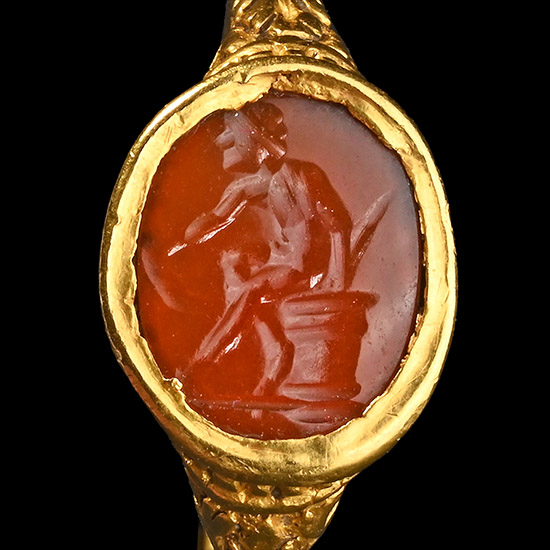
Comprising a round-section hoop with foliate decoration on the shoulders, oval setting with a beaded border and gadrooned underside, set with a dark carnelian intaglio depicting a warrior hero, in heroic nudity, resting after the battle; such images usually referring to the god Ares or heroes like Achilles or Theseus; supplied with a museum-quality impression. 4.66 grams, 23.39 mm overall, 17.88 mm internal diameter (approximate size British O, USA 7, Europe 14.98, Japan 14)
Acquired on the European art market. This lot has been checked against the Interpol Database of stolen works of art and is accompanied by search certificate number no.13394-257950.
