
Loading, please wait...

LOT 0290
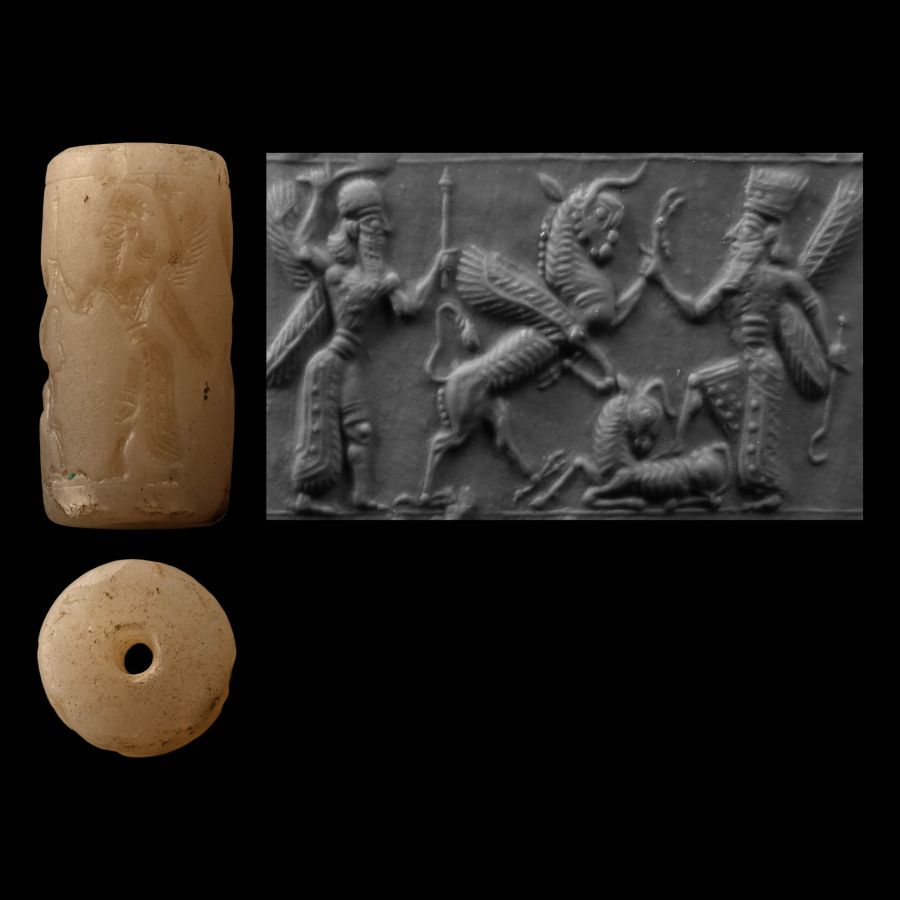
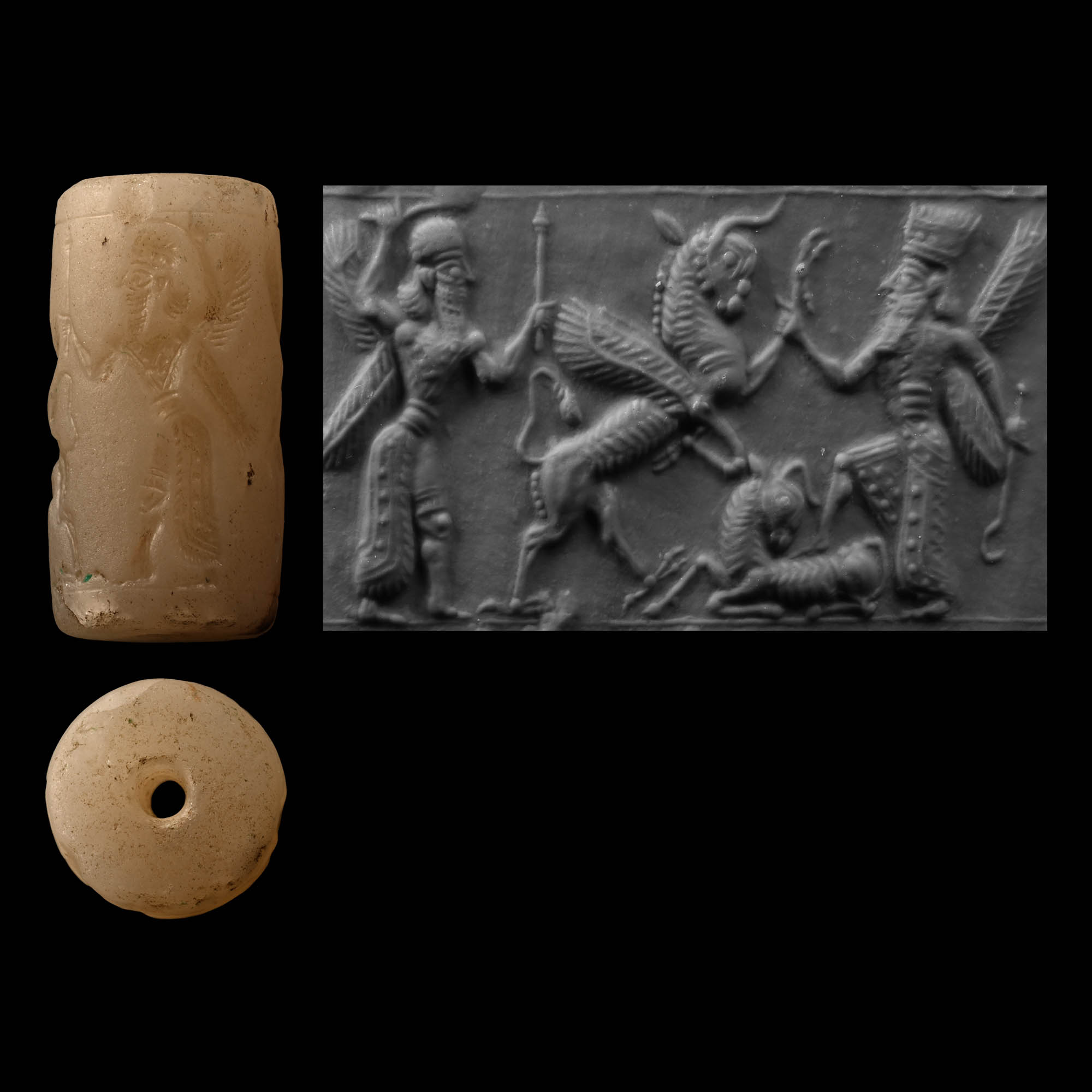
Late Babylonian Alabaster Cylinder Seal with Winged King
CIRCA 1000-800 B.C.
1 5/8 in. (20.9 grams, 40 mm).
Carved with a contest scene comprising two winged male figures attacking a rearing bull-headed winged beast; the figure before the beast gripping its front leg and holding a sceptre, one foot placed on the corpse of a goat or a ram; the figure behind holding a sceptre and a raised club or khopesh in the act of striking the beast from behind; possibly some re-engraving.
ProvenanceEx property of the late Mr S.M., London, UK, 1970-1990s, thence by descent.
Accompanied by a previous typed cataloguing card.
TimeLine Auctions follows a vetting process to ensure the authenticity and legality of all items, reinforcing our commitment to integrity and responsible trading. Each antiquity, antique, and coin lot undergoes thorough examination by a vetting committee of at least ten external specialists, professional trade association members, scientists, and archaeologists: Our Vetting Process
AUCTIONS:
TimeLine is a leading auction house specialising in antiquities, ancient art, collectables, natural history, coins, medals, and books. Our auctions offer museums, collectors, historians, and enthusiasts the opportunity to acquire unique and historically significant pieces.
LOT 0290
Late Babylonian Alabaster Cylinder Seal with Winged King
Sold for (Inc. bp): £650
-
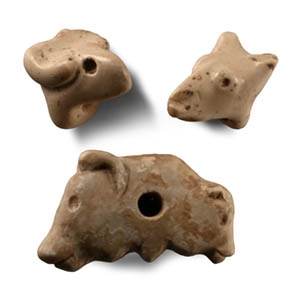
Mesopotamian White Marble Animal Amulets
2nd-1st millennium B.C.Estimate: £400 - 600 (+bp*)
Opening Bid: £160
Comprising: profile addorsed bear and bear-cub heads; two sheep's heads. 15.8 grams total, 17-33 mm
From the private collection of Mr K.A., acquired in the 1990s-early 2000s. -
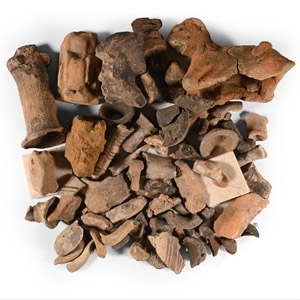
Greek and Other Terracotta Fragment Group
2nd-1st millennium B.C.Sold for (Inc. bp): £91
Including painted vase fragments, pierced shell, terracotta animal figure, ceramic tile and other items. 1.6 kg total, 1.5-10.8 cm
From a collection acquired on the UK art market from various auction houses and collections mostly before 2000. From an important Cambridgeshire estate; thence by descent. -
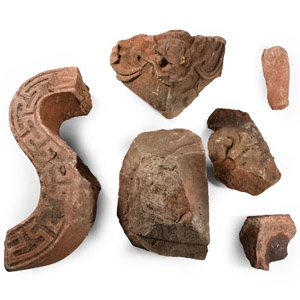
Western Asiatic Red Sandstone Fragment Group
Circa 10th century A.D.Sold for (Inc. bp): £7
Including an S-curved panel with meander design to the edge, and other items. 6.8 kg total, 13.5- 26 cm
From a collection acquired on the UK art market from various auction houses and collections mostly before 2000. From an important Cambridgeshire estate; thence by descent.
