Loading, please wait...

Use mousewheel to zoom in and out, click to enlarge

Details

LOT 2202

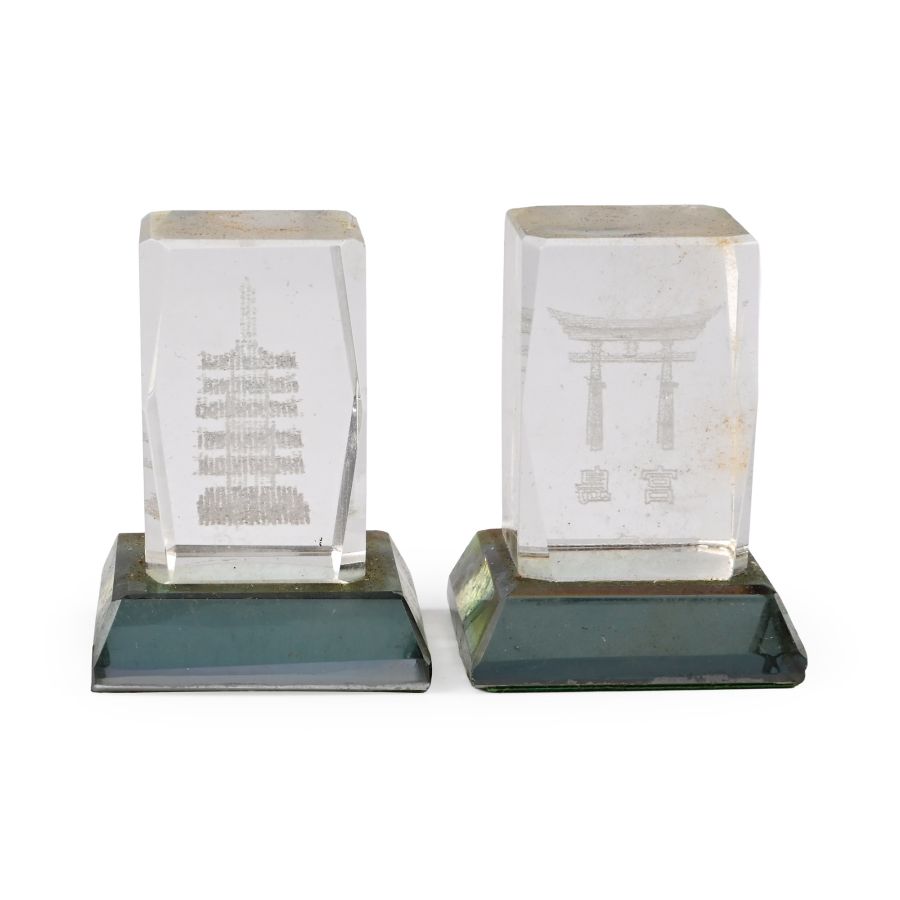
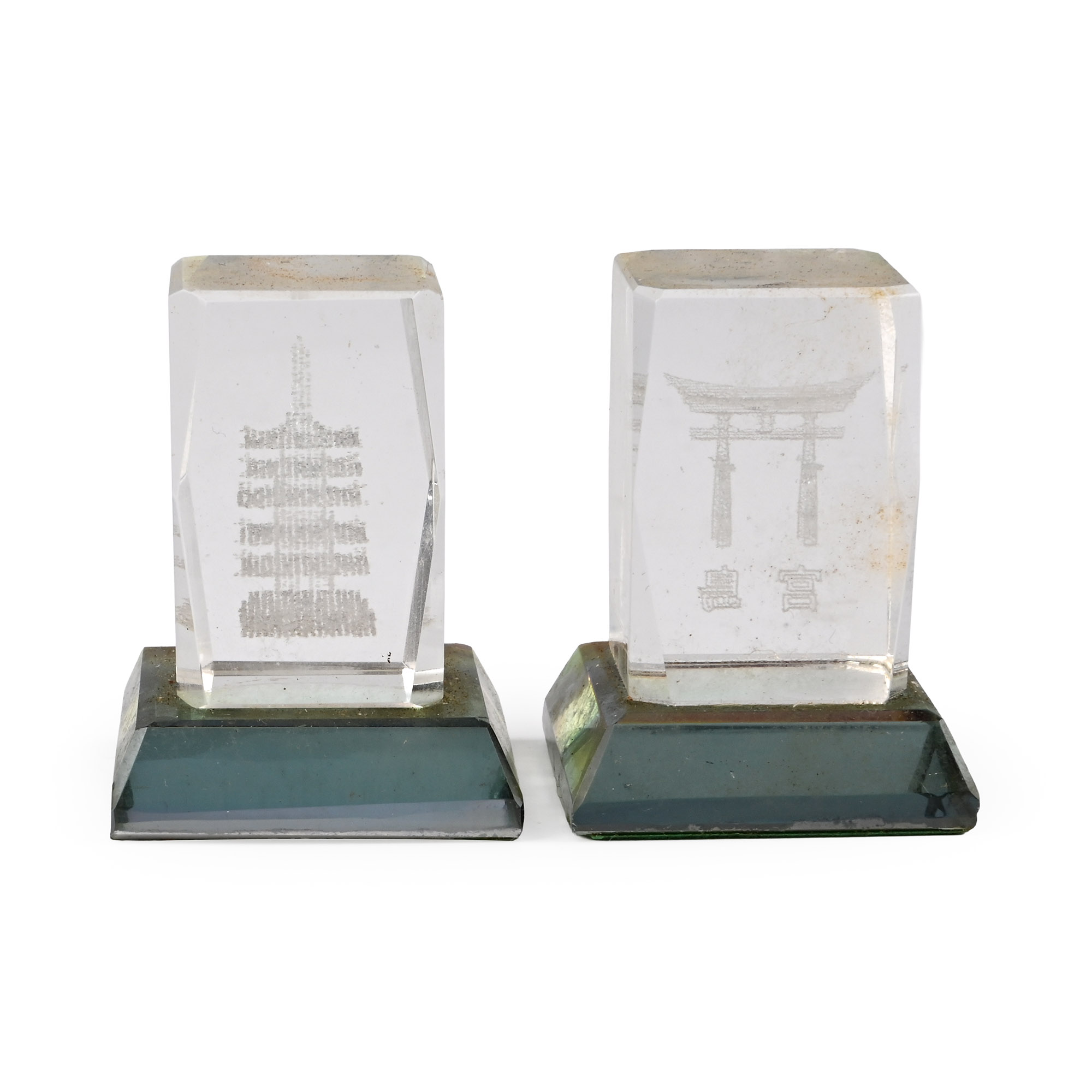
Laser-Engraved Architectural Paperweights

20TH CENTURY A.D.

1 3/8 in. (80 grams total, 37 mm each).

A pair of rectangular-section weights on stands, each with a laser-engraved Chinese architectural building. [5, No Reserve]

Provenance

Property of a North West London, UK, lady.
This lot is accompanied by an illustrated lot declaration signed by the Head of the Antiquities Department, Dr Raffaele D'Amato.

CONDITION

VETTING:

TimeLine Auctions follows a vetting process to ensure the authenticity and legality of all items, reinforcing our commitment to integrity and responsible trading. Each antiquity, antique, and coin lot undergoes thorough examination by a vetting committee of at least ten external specialists, professional trade association members, scientists, and archaeologists: Our Vetting Process


AUCTIONS:

TimeLine is a leading auction house specialising in antiquities, ancient art, collectables, natural history, coins, medals, and books. Our auctions offer museums, collectors, historians, and enthusiasts the opportunity to acquire unique and historically significant pieces.

LOT 2202

Laser-Engraved Architectural Paperweights

Sold for (Inc. bp): £7

Print page

RELATED LOTS

  • Bactrian Style Lapis Lazuli Bead Necklace String
    Bactrian Style Lapis Lazuli Bead Necklace String
    20th century A.D.

    Sold for (Inc. bp): £33

    Composed of cornerless cube-shaped beads; restrung. 168 grams, 58 cm


    From the London, UK, art market in the 1990s. This lot is accompanied by an illustrated lot declaration signed by the Head of the Antiquities Department, Dr Raffaele D'Amato.

    Lot Details

  • Caravaca de la Cruz Bronze Cross Pendant
    Caravaca de la Cruz Bronze Cross Pendant
    17th-18th century A.D.

    Estimate: £200 - 300 (+bp*)

    Opening Bid: £75

    Bifacial double cross with two angels at the base carrying the cross, applied figures of Corpus Christi and Virgin Mary to one side with an inscription 'CAR VACA'; separately made reverse panel with openwork panels and foliate decoration; made as a reliquary. 101 grams, 13.7 cm


    Acquired on the UK art market, early 2000s. This lot is accompanied by an illustrated lot declaration signed by the Head of the Antiquities Department, Dr Raffaele D'Amato.

    The Caravaca Cross, also known as the Cross of Caravaca, originated in the Spanish town of Caravaca de la Cruz and according to tradition, first appeared in the 13th century during the Christian reconquest of Spain. According to a legend, during the rule of the Muslim king Abu Zeid in 1231, a miraculous event occurred. A Christian priest lacking a cross celebrated Mass and was not able to continue as the cross is an essential element for the Eucharist. Miraculously, two angels bearing the Caravaca Cross appeared thus enabling the Mass to proceed. This event is considered the foundational miracle of the Caravaca Cross.

    Lot Details

  • Medieval Style Billy and Charley Lead Alloy Shadwell Type Shrine Forgery
    Medieval Style 'Billy and Charley' Lead Alloy Shadwell Type Shrine Forgery
    19th century A.D.

    Sold for (Inc. bp): £260

    Vesica-shaped diptych with standing nimbate Mary and child; openwork panel with mail-clad knight wearing a plumed helmet; believed to be by William Smith and Charles Eaton, 'dated' 1006 A.D. 241 grams total, 16 cm


    Received from the curator of Leeds Museum by descent, circa mid 1980s. Ex property of a Yorkshire lady. From the private collection of a Cheshire, UK, gentleman. This lot is accompanied by an illustrated lot declaration signed by the Head of the Antiquities Department, Dr Raffaele D'Amato.

    "Billy and Charlies", also known as the Shadwell forgeries, refer to a very extensive series of fake antiquities made in Victorian London by William Smith (Billy) and Charles Eaton (Charley). They were mudlarks who searched the Thames for items of value. William Edwards, a London antique dealer, made Billy's acquaintance around 1845, and he met Charley some years later. He paid them for items of interest that they found. Billy and Charley earned money from this until 1857, when they decided to counterfeit antiquities. They cast objects from lead or pewter, cutting dies into plaster of Paris moulds with nails and knives, and bathing the finished items in acid to simulate aging. Their commonest products were medallions, but others included daggers, statuettes, ampullae and even small shrines; as they were both illiterate the inscriptions on many of the objects are nonsense. They sold their forgeries to very prominent collectors of the time who thought they were genuine. Eventually, due to the large volume of objects that were appearing on the market, they were arrested and tried at court though they could not be found guilty of any crime at the time. They were released and carried on producing fakes but their style of manufacture had become well known and they eventually disappeared from history.

    Lot Details

Stay up-to-date with the latest from TimeLine Auctions by joining our mailing list