
Loading, please wait...
LOT 1440
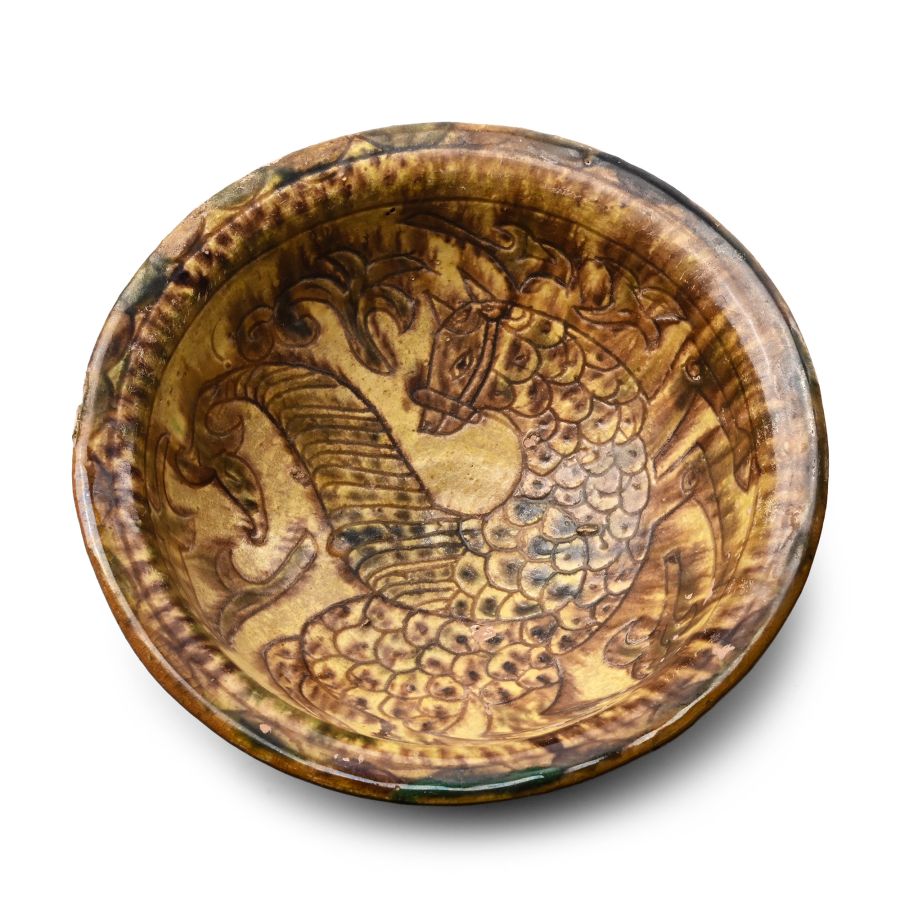
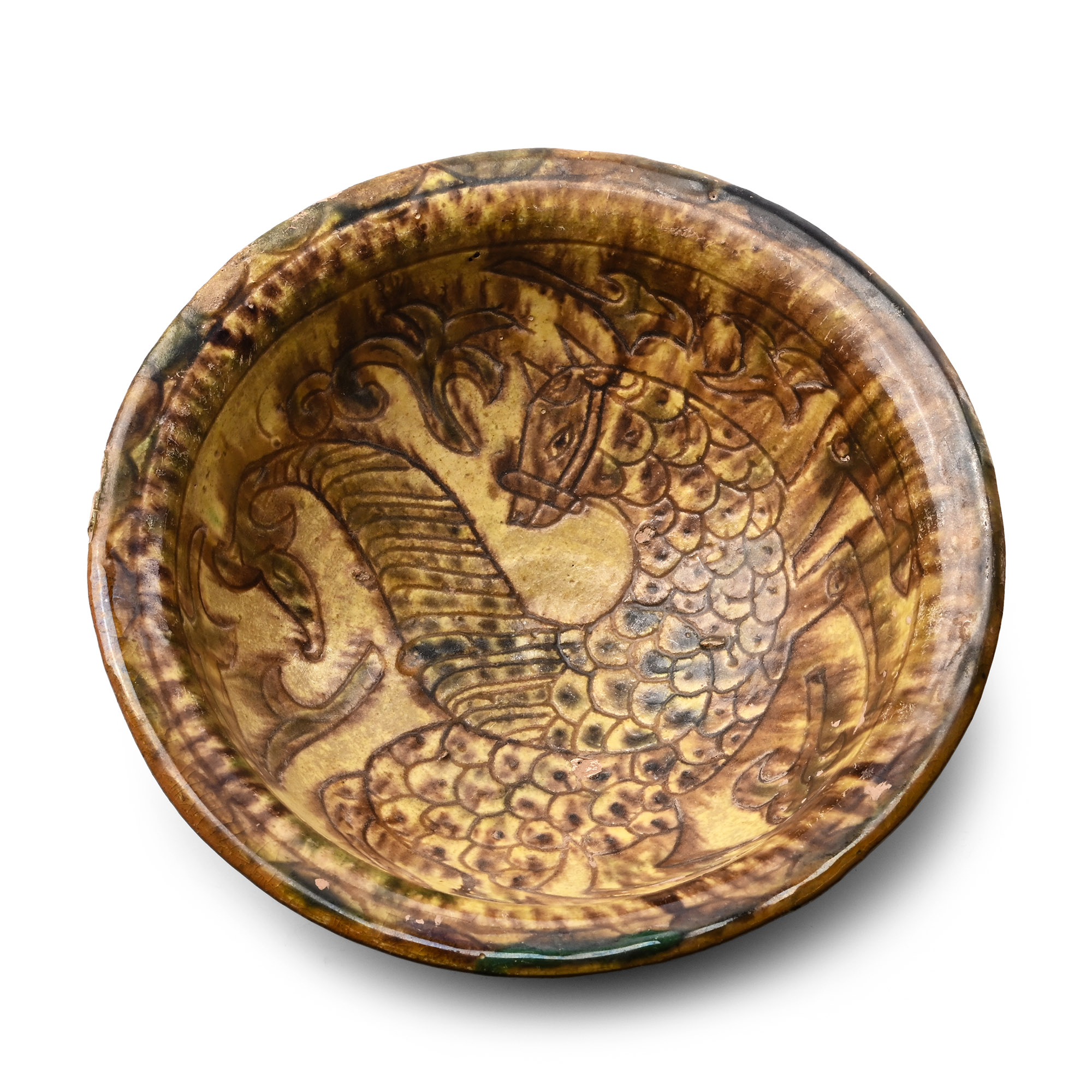
Large Western Asiatic Style Ceramic Bowl with Mythical Beast
LATE 20TH-21ST CENTURY A.D.
8 1/2 in. (577 grams, 21.7 cm wide).
Bell-shaped in profile with polychrome rim. incised advancing winged feline among fronds. [No Reserve]
ProvenancePrivate collection, UK.
CONDITIONTimeLine Auctions follows a vetting process to ensure the authenticity and legality of all items, reinforcing our commitment to integrity and responsible trading. Each antiquity, antique, and coin lot undergoes thorough examination by a vetting committee of at least ten external specialists, professional trade association members, scientists, and archaeologists: Our Vetting Process
AUCTIONS:
TimeLine is a leading auction house specialising in antiquities, ancient art, collectables, natural history, coins, medals, and books. Our auctions offer museums, collectors, historians, and enthusiasts the opportunity to acquire unique and historically significant pieces.
LOT 1440
Large Western Asiatic Style Ceramic Bowl with Mythical Beast
Sold for (Inc. bp): £46
-
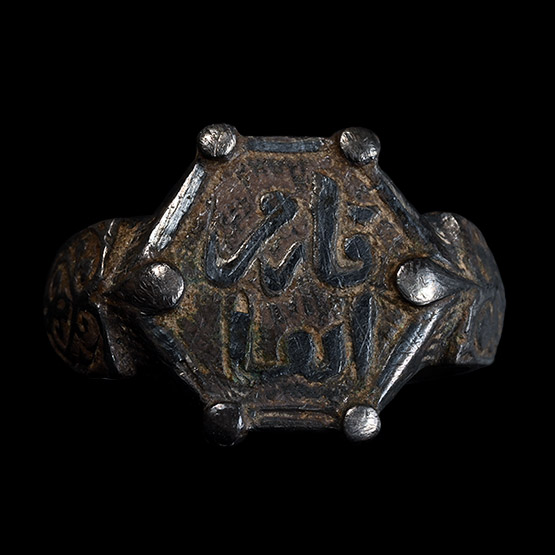
Western Asiatic Silver Ring with Niello
12th-13th century A.D. or laterSold for (Inc. bp): £455
With carinated hoop, heater-shaped plaques to the shoulders, hexagonal bezel with pellet to each angle and reserved calligraphic legend. 9.03 grams, 23.84 mm overall, 19.40 mm internal diameter (approximate size British P, USA 7 1/2, Europe 16.23, Japan 15)
From a central European collection. Mr S.A., acquired in 1992. Thence by descent, family collection, since the late 1990s. -
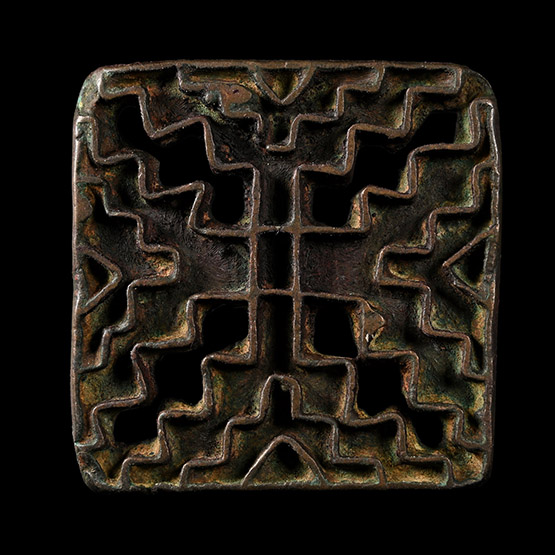
Very Large West Central Asian Bronze Stamp Seal Matrix with Stepped Cross
Circa 2300-2000 B.C.Sold for (Inc. bp): £156
Square in plan with chevron handle, openwork stepped saltire design. 79 grams, 60 mm
Ex collection of a late London gentleman, 1990s. -
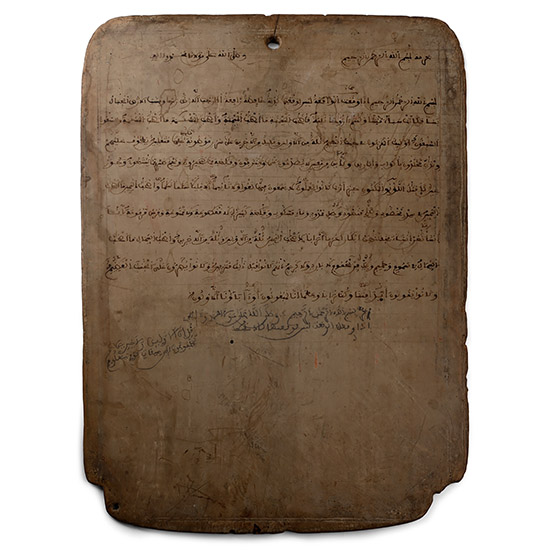
Large Bifacial Wooden Qur'an Board
Morocco, late 19th-early 20th century A.D.Sold for (Inc. bp): £234
Rectangular in plan with flanches to the lower corners and hole to centre-top; Side A with two lines of large calligraphic text above five lines of smaller text and tapering section beneath; Side B with ten lines of text and group of notes below. 716 grams, 39.3 x 28 cm
Private collection, UK.
