
Loading, please wait...
LOT 1264
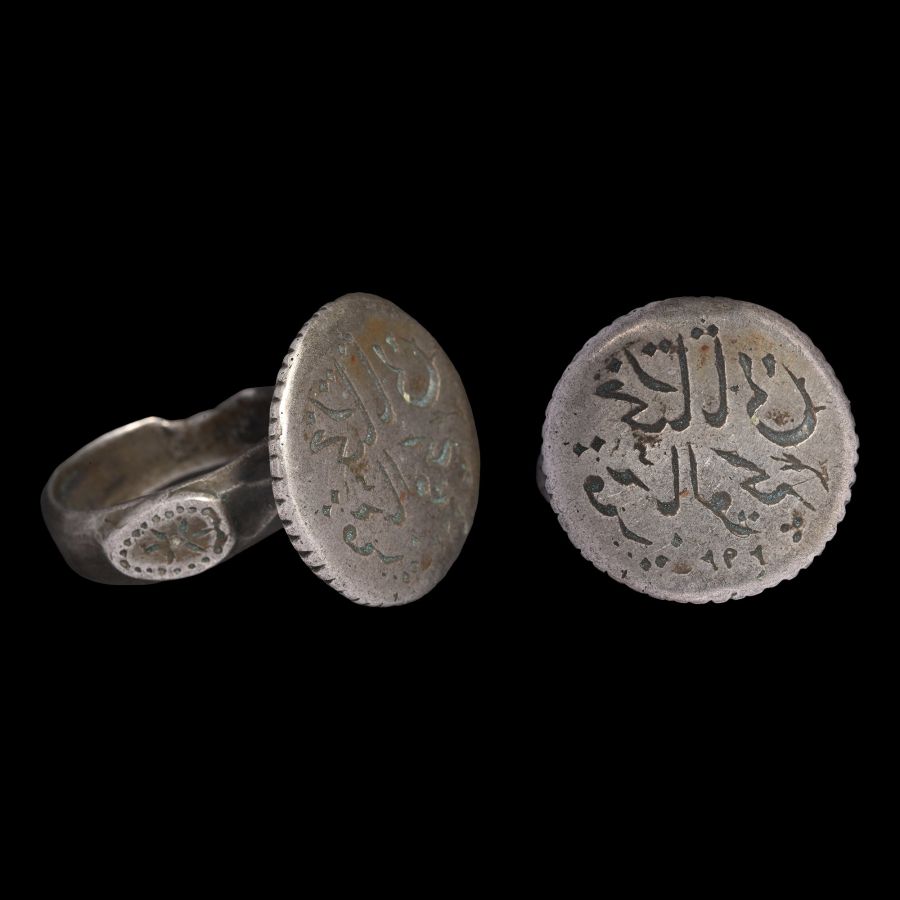
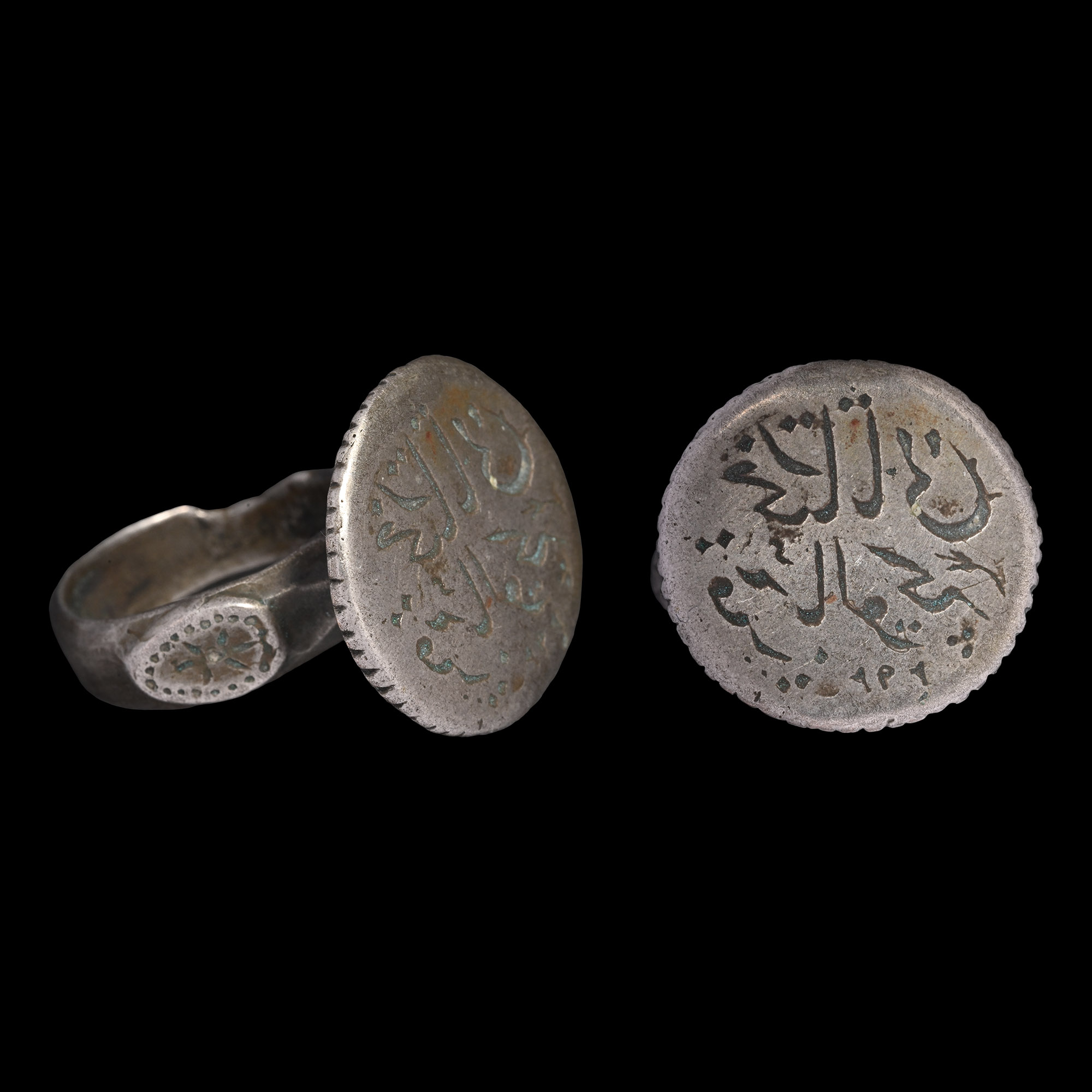
Large Western Asiatic Silver Ring with Calligraphic Inscription
CIRCA 18TH-19TH CENTURY A.D.
1 1/4 in. (15.89 grams, 31.02 mm overall, 18.02 x 19.06 mm internal diameter (approximate size British P, USA 7 1/2, Europe 16.23, Japan 15)).
The hoop with three raised bosses, a tall discoid bezel with a two-line inscription.
ProvenanceEx German art market, 2000s.
Acquired from an EU collector living in London.
From the collection of a Surrey, UK, gentleman.
TimeLine Auctions follows a vetting process to ensure the authenticity and legality of all items, reinforcing our commitment to integrity and responsible trading. Each antiquity, antique, and coin lot undergoes thorough examination by a vetting committee of at least ten external specialists, professional trade association members, scientists, and archaeologists: Our Vetting Process
AUCTIONS:
TimeLine is a leading auction house specialising in antiquities, ancient art, collectables, natural history, coins, medals, and books. Our auctions offer museums, collectors, historians, and enthusiasts the opportunity to acquire unique and historically significant pieces.
LOT 1264
Large Western Asiatic Silver Ring with Calligraphic Inscription
Sold for (Inc. bp): £130
-
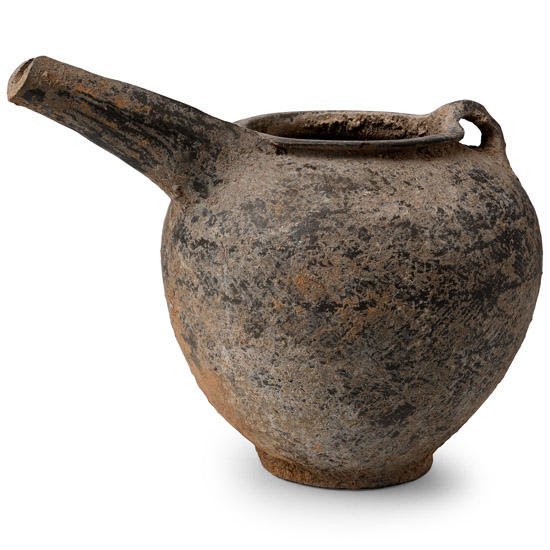
Amlash Zoomorphic Terracotta Pouring Vessel
1st millennium B.C.Estimate: £100 - 140 (+bp*)
Opening Bid: £50
Bulbous body with a narrow foot, an everted rim and a U-shaped spout, the body with bands of densely arranged herringbone decoration. 437 grams, 18 cm wide
Ex Abelita collection, 1990s. -
.jpg)
Sasanian Blue Chalcedony Gemstone with Animal in Gold Ring
5th-7th century A.D.Sold for (Inc. bp): £845
An oval grey-blue intaglio featuring a reclining antelope, set in a later hollow-form gold ring; supplied with a museum-quality impression. 5.95 grams, 25.63 mm overall, 18.29 x 18.82 mm internal diameter (approximate size British Q 1/2, USA 8 1/4, Europe 18.12, Japan 17)
Acquired on the European art market. -
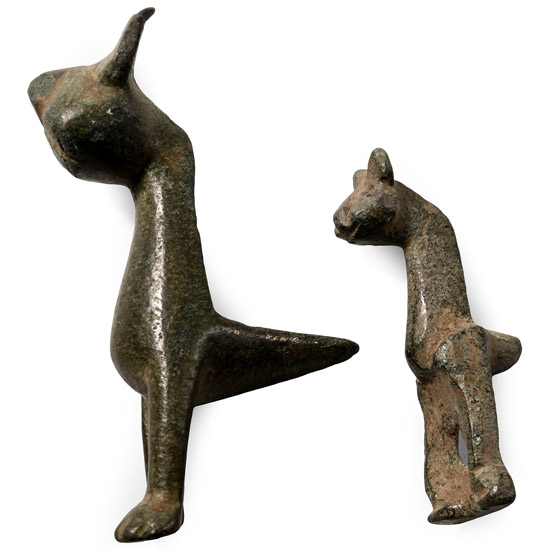
Western Asiatic Bronze Cat Protome Group
Circa 11th century A.D.Sold for (Inc. bp): £117
Each formed as a finial with tall extended neck and sleek feline head, scooped triangular lug to reverse. 47.6 grams total, 44-58 mm
From a UK collection formed in the 1980s. Property of an Essex, UK, gentleman.
