
Loading, please wait...
LOT 1397
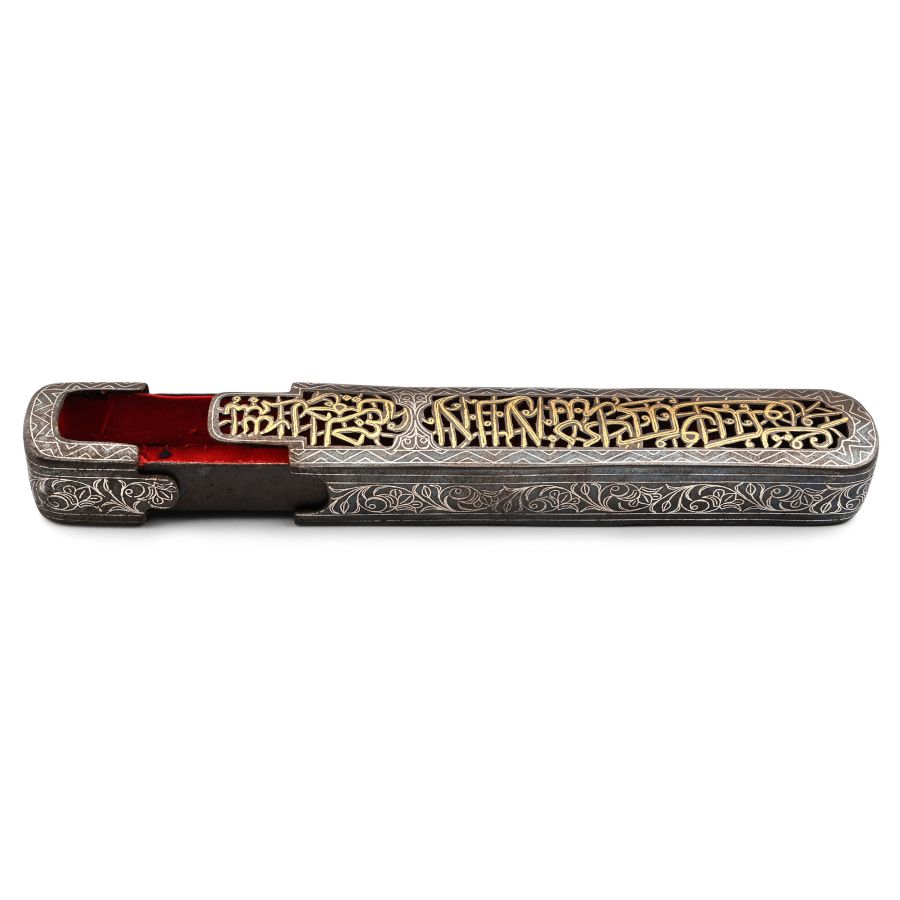
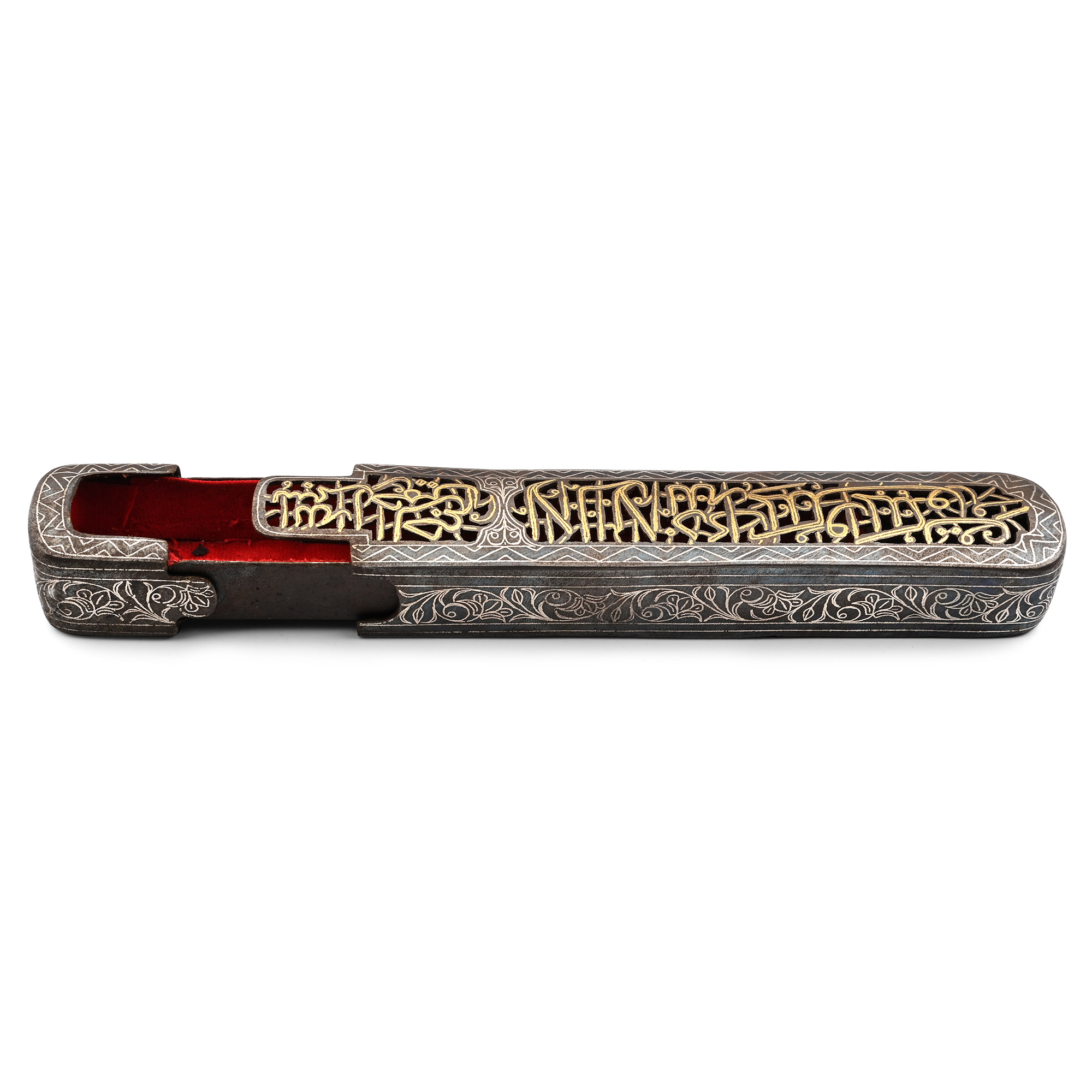
Large Western Asiatic Qajar Style Openwork Iron Pen Box
LATE 20TH-21ST CENTURY A.D.
8 1/8 in. (362 grams, 20.7 cm).
A narrow openwork box with sliding tray; inside lined with red velvet; brass-inlaid calligraphic text to body.
ProvenancePrivate collection, UK.
CONDITIONTimeLine Auctions follows a vetting process to ensure the authenticity and legality of all items, reinforcing our commitment to integrity and responsible trading. Each antiquity, antique, and coin lot undergoes thorough examination by a vetting committee of at least ten external specialists, professional trade association members, scientists, and archaeologists: Our Vetting Process
AUCTIONS:
TimeLine is a leading auction house specialising in antiquities, ancient art, collectables, natural history, coins, medals, and books. Our auctions offer museums, collectors, historians, and enthusiasts the opportunity to acquire unique and historically significant pieces.
LOT 1397
Large Western Asiatic Qajar Style Openwork Iron Pen Box
Sold for (Inc. bp): £169
-
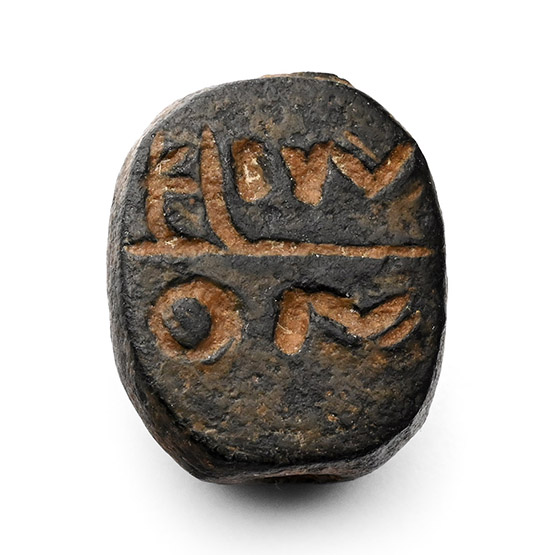
Western Asiatic Bronze Scaraboid Seal with Aramaic Inscription
1st millennium B.C.Estimate: £450 - 650 (+bp*)
Opening Bid: £235
Scaraboid bead with incised legend in two lines to the underside. 3.37 grams, 11 mm
From the collection of a gentleman, acquired on the London art market in the 1990s. -
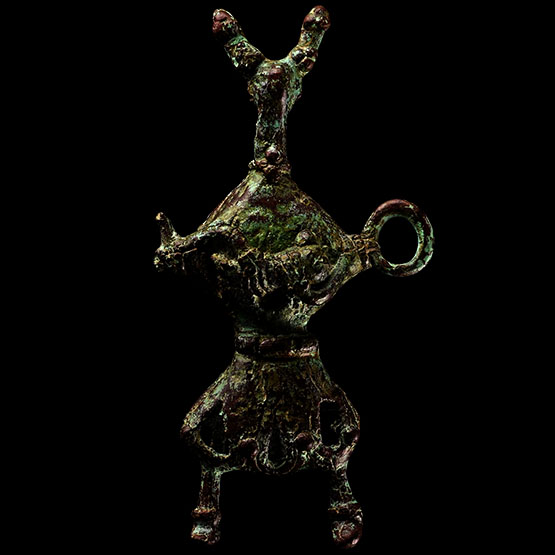
Amlash Bronze Figure with Child
8th-6th century B.C.Estimate: £500 - 700 (‡+bp*)
Opening Bid: £250
Formed as a standing figure cradling an infant; stylised facial and anatomical detailing; openwork cage structure and remains of suspension loop to reverse; accompanied by a custom-made display stand. 47 grams, 99 mm (90 grams total, 13 cm including stand)
with Dr Amnon Rosenfeld, Jerusalem, Israel. European private collection, acquired in 2015. -
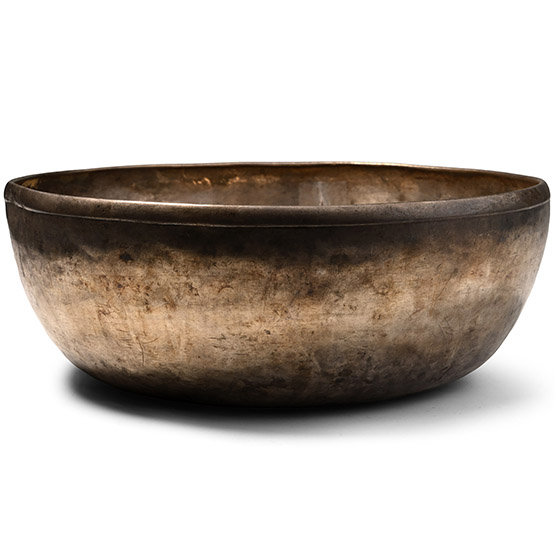
Indo-Parthian Silver Bowl
Circa late 1st century B.C.-early 1st century A.D.Estimate: £1,200 - 1,700 (+bp*)
Opening Bid: £600
Squat in profile with gently domed base, curved sidewall with carination below the rim. 233 grams, 18.1 cm
Acquired from a private UK collection prior to 1979. Ex Julian Sherrier collection, a leading figure in Gandharan art. with Christie's, New York, sale 2337, 14th September 2010, no.51 (part).
