
Loading, please wait...
LOT 0899
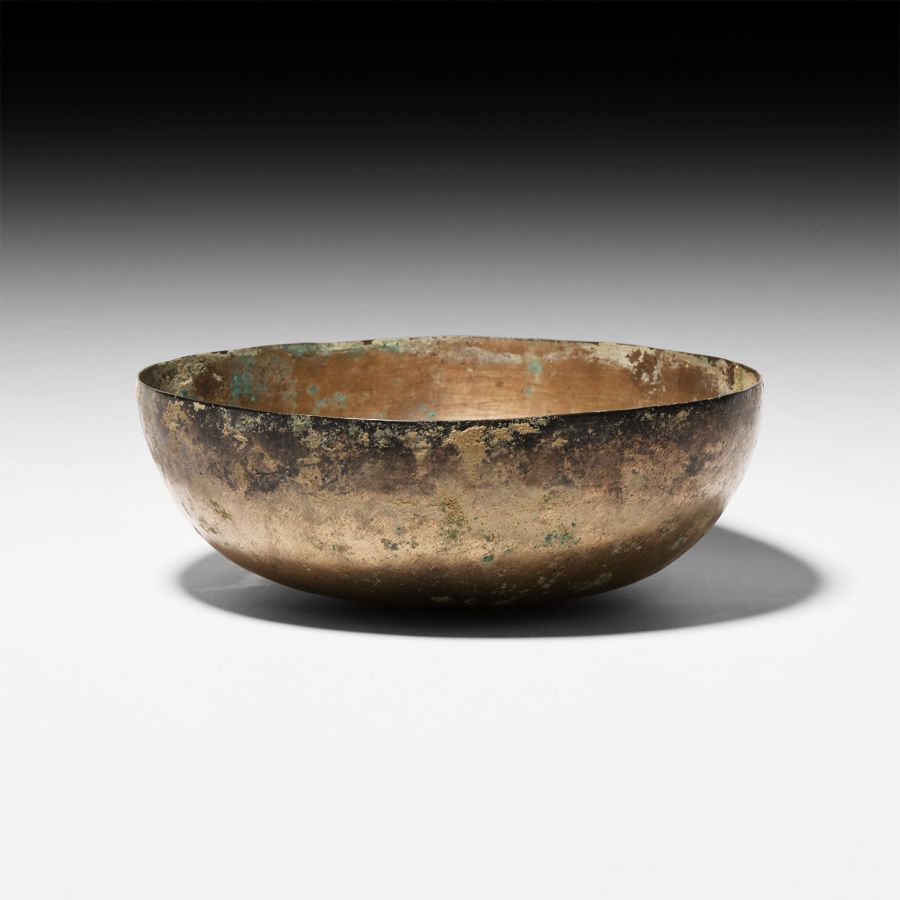
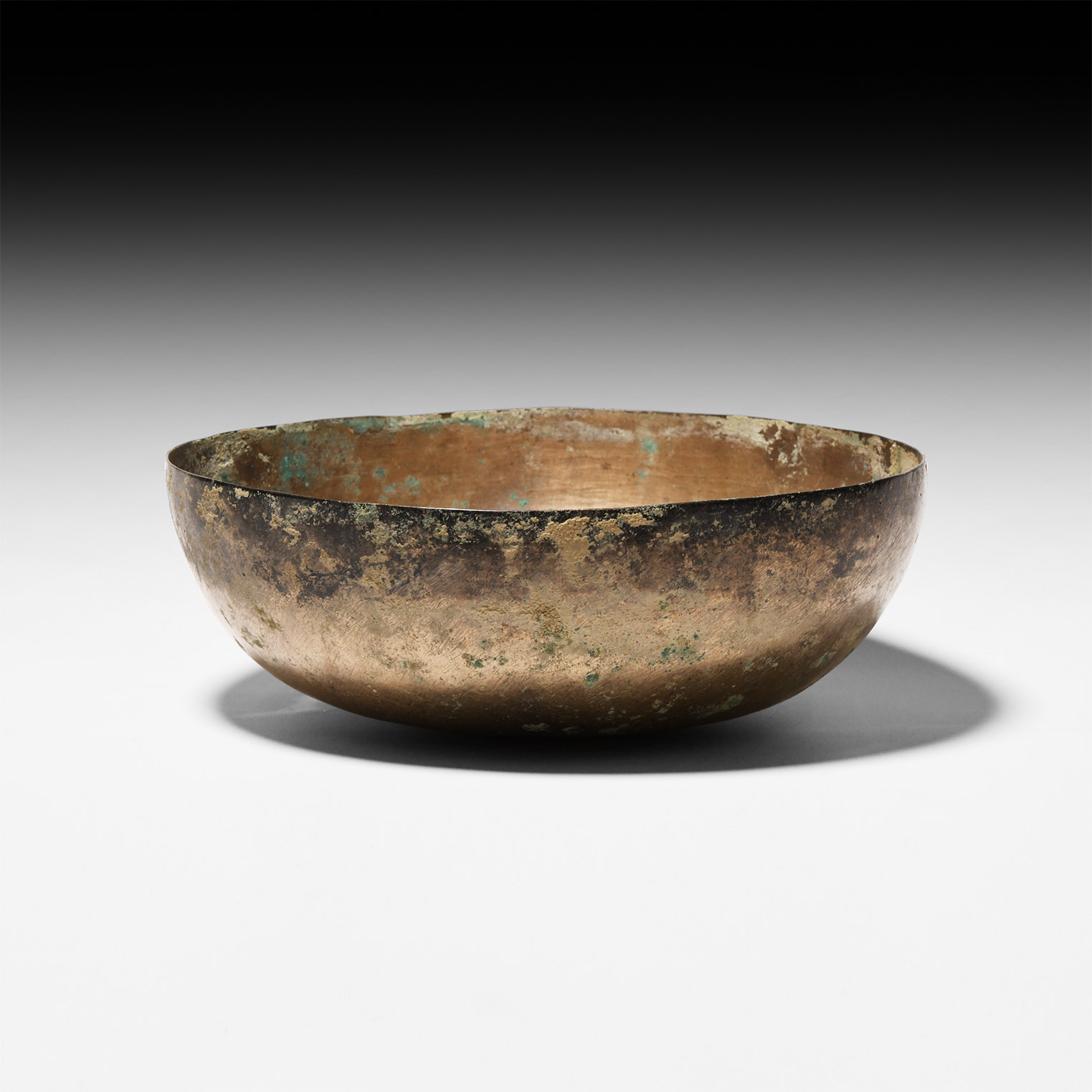
Large Western Asiatic Decorated Bowl
CIRCA 12TH CENTURY A.D.
9 7/8 in. (741 grams, 25 cm wide).
A Ghaznavid style squat bowl with convex wall and rounded base, worn remains of punched ring-and-dot decoration to the exterior. [No Reserve]
ProvenanceEnglish collection formed in the 1990s.
UK art market.
Property of an Essex gentleman.
TimeLine Auctions follows a vetting process to ensure the authenticity and legality of all items, reinforcing our commitment to integrity and responsible trading. Each antiquity, antique, and coin lot undergoes thorough examination by a vetting committee of at least ten external specialists, professional trade association members, scientists, and archaeologists: Our Vetting Process
AUCTIONS:
TimeLine is a leading auction house specialising in antiquities, ancient art, collectables, natural history, coins, medals, and books. Our auctions offer museums, collectors, historians, and enthusiasts the opportunity to acquire unique and historically significant pieces.
-
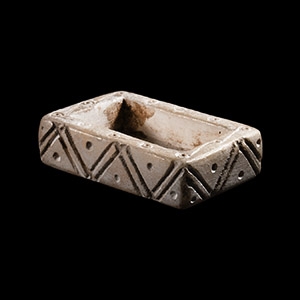
Western Asiatic Alabaster Dish
Circa 1600 B.C.Estimate: £300 - 400 (+bp*)
Opening Bid: £100
A rectangular alabaster dish with classic Middle Bronze Age geometric schemes to the sidewalls and rim. 45 grams, 54mm
Acquired from Harmer Rooke galleries, New York, in 1986. From the collection of a West London, UK, gentleman. -
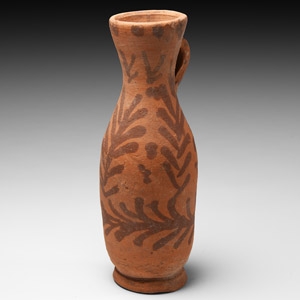
Nabataean Painted Jug
1st century B.C.-1st century A.D.Sold for (Inc. bp): £520
A small terracotta jug with strap handle above the shoulder, painted frond patterns to the body, shoulder and neck. 76 grams, 12.4 cm high
From an important collection of Holy Land pottery formed pre 1988, thence by descent. -
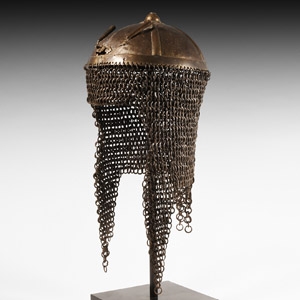
Indo-Persian Iron Helmet with Gilt Calligraphy
17th-19th century A.D.Sold for (Inc. bp): £286
A steel helmet comprising a domed cap and mail curtain; the cap with five radiating applied ribs from the central bronze rosette with hollow bulb finial, applied brow-band, pair of applied plume-holders and bracket for a falling nasal guard; curtain of substantial (1.83-195mm thick) rings forming a mail curtain with triangular extensions flanking the face and protecting the rear of the neck. 1.6 kg, 40 cm high
Some damage to the rear including cracking and deformation, probably due to battle damage.
UK private collection before 2000. UK art market. Property of a London gentleman.
The plume-holders are placed beside two pairs of holes, possibly replacing a previous pair which were removed. Attachment of the mail to the browband is by means of smaller rings which are placed intermittently round the lower edge (or possibly some rings have been lost due to wear-and-tear).
