
Loading, please wait...
LOT 1304
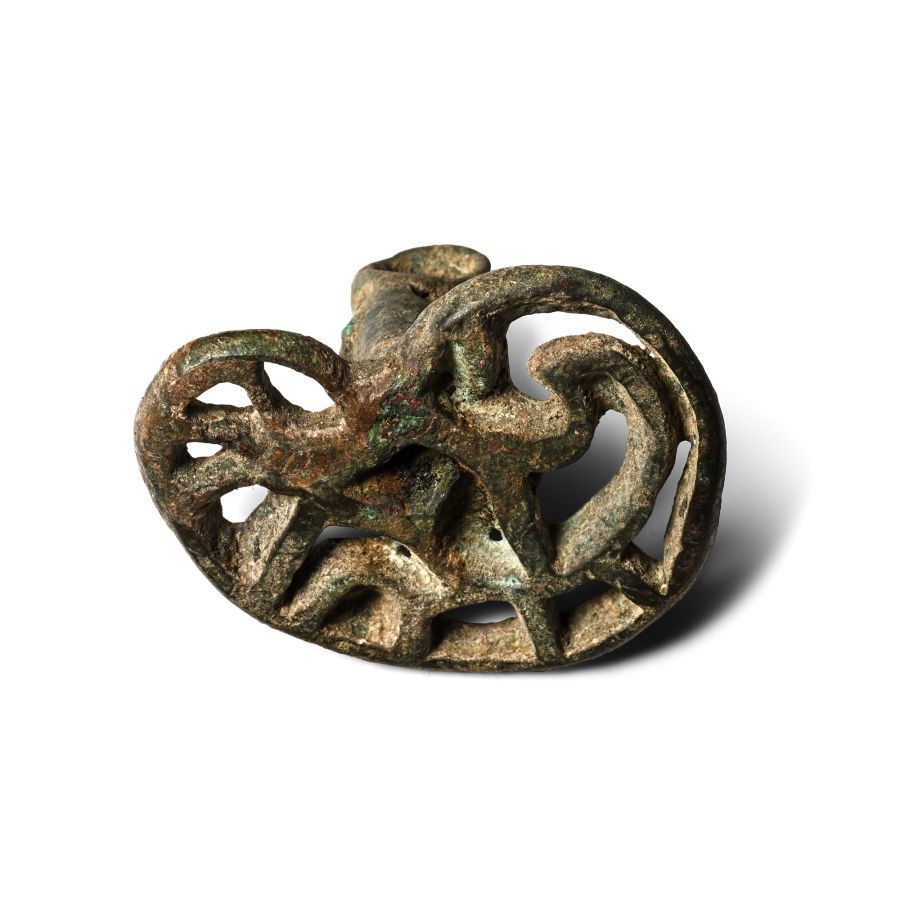
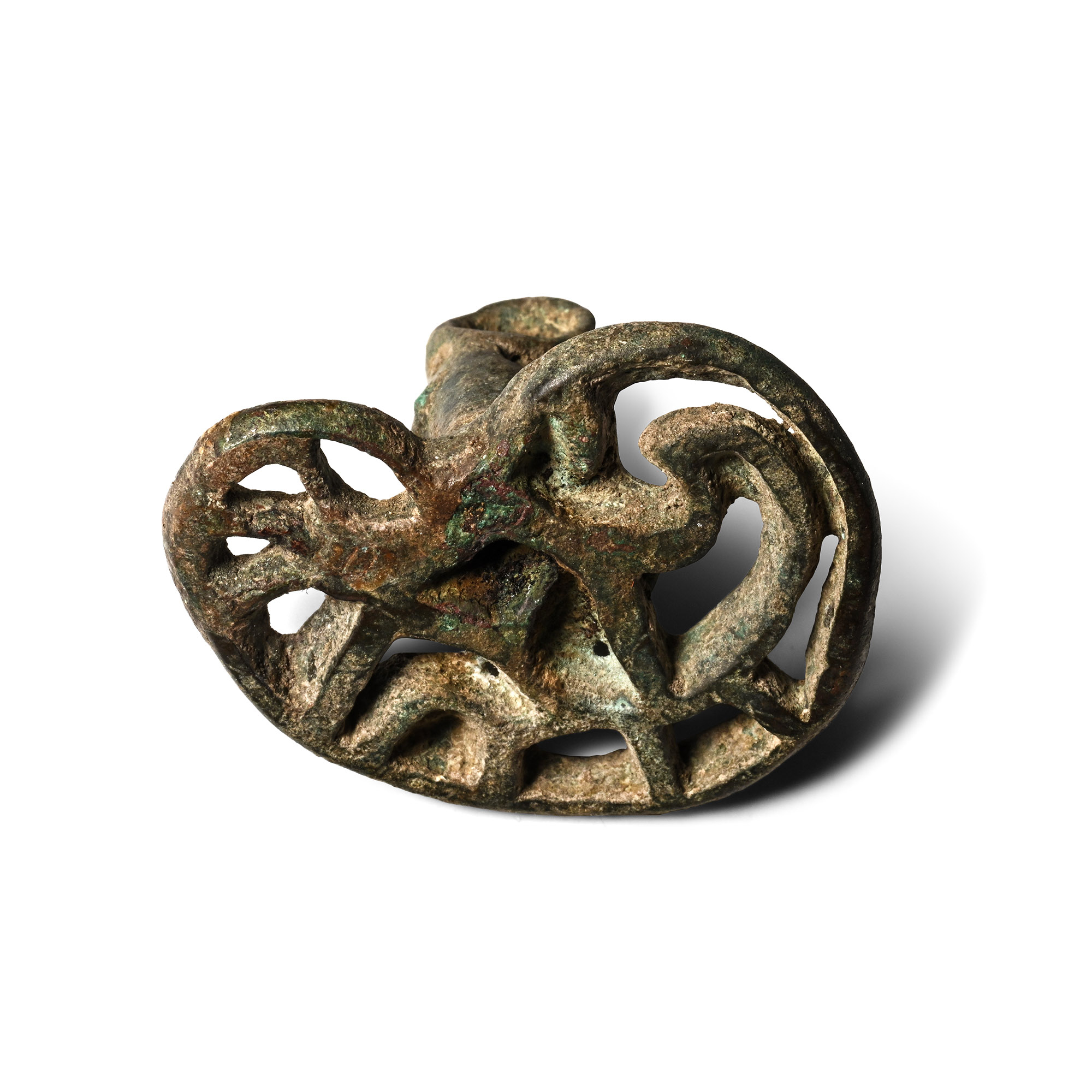
Large West Central Asian Bronze Ear-Shaped Seal Matrix
CIRCA 2300-2000 B.C.
2 in. (42.7 grams, 51 mm).
Comprising an openwork ear-shaped body and a tall looped handle on the reverse.
ProvenanceAcquired in the late 1980s-early 1990s.
Ex property of a West London businessman.
Academically researched and catalogued by the late Professor Lambert in the early 1990s.
TimeLine Auctions follows a vetting process to ensure the authenticity and legality of all items, reinforcing our commitment to integrity and responsible trading. Each antiquity, antique, and coin lot undergoes thorough examination by a vetting committee of at least ten external specialists, professional trade association members, scientists, and archaeologists: Our Vetting Process
AUCTIONS:
TimeLine is a leading auction house specialising in antiquities, ancient art, collectables, natural history, coins, medals, and books. Our auctions offer museums, collectors, historians, and enthusiasts the opportunity to acquire unique and historically significant pieces.
LOT 1304
Large West Central Asian Bronze Ear-Shaped Seal Matrix
Estimate £100 - 140€120 - 160 (for guidance only)$140 - 190 (for guidance only)
-
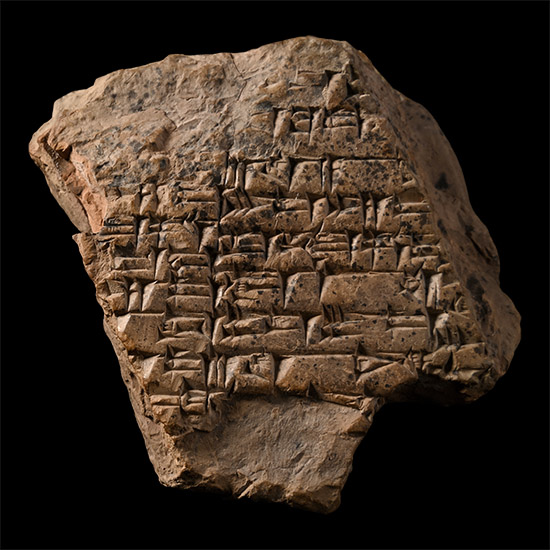
Ur III Terracotta Cuneiform Tablet Fragment
Circa 21st century B.C.Sold for (Inc. bp): £715
Polygonal fragment with densely arranged impressed cuneiform text on one side. 67 grams, 74 mm
London, UK, art market, 1980s. Private collection, London, UK. -
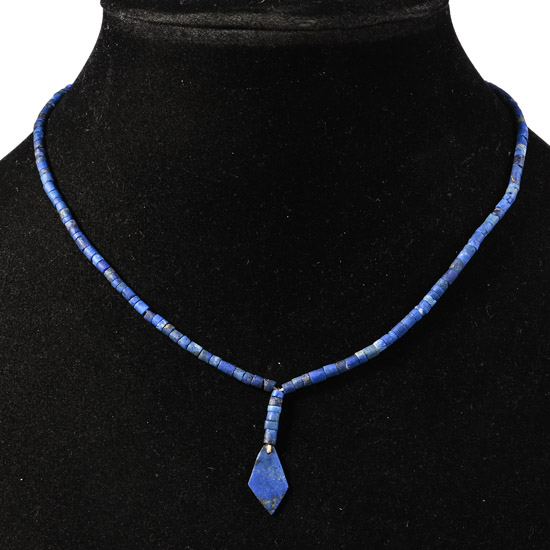
Bactrian Style Lapis Lazuli Bead Necklace String
20th century A.D.Sold for (Inc. bp): £46
Composed of tubular beads with a lozenge-shaped pendant, restrung. 5.44 grams, 31 cm
Acquired in the 1990s-early 2000s. Ex London, UK, collection. -
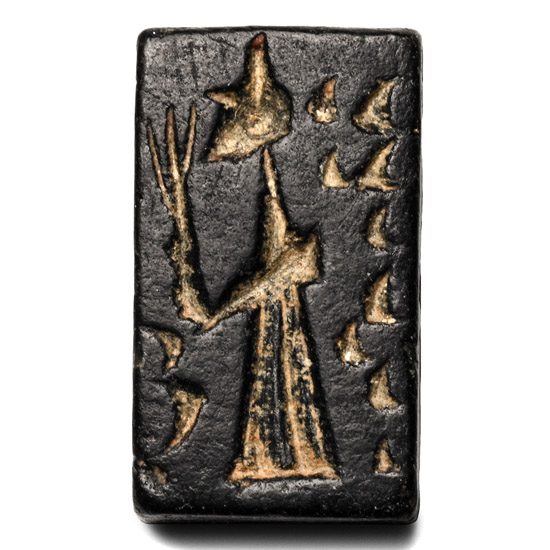
Western Asiatic Four-Sided Amulet with Figures and Stars
4th-3rd millennium B.C.Sold for (Inc. bp): £260
Rectangular amulet featuring a standing stylised figure holding a kopesh on both larger sides, one narrow side with a crescent moon and three stars, the other narrow side with a large star. 2.11 grams, 16 mm
From the private collection of a European gentleman (1942-2024), formed since the 1970s.
