
Loading, please wait...
LOT 1522
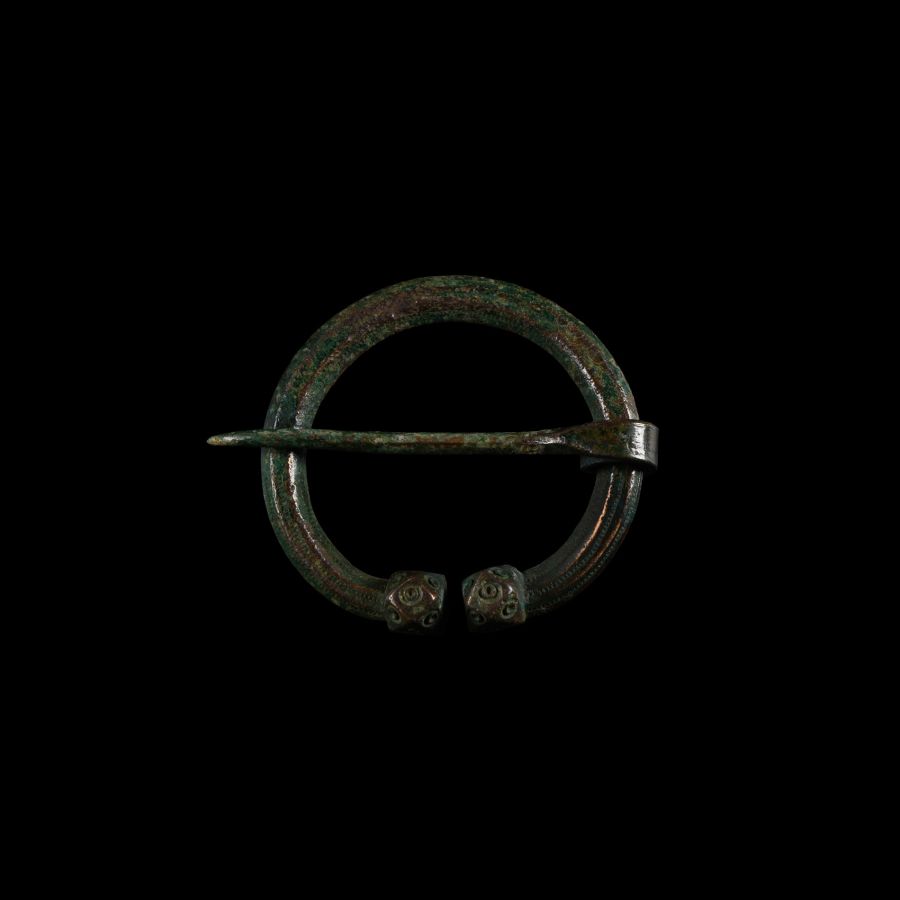
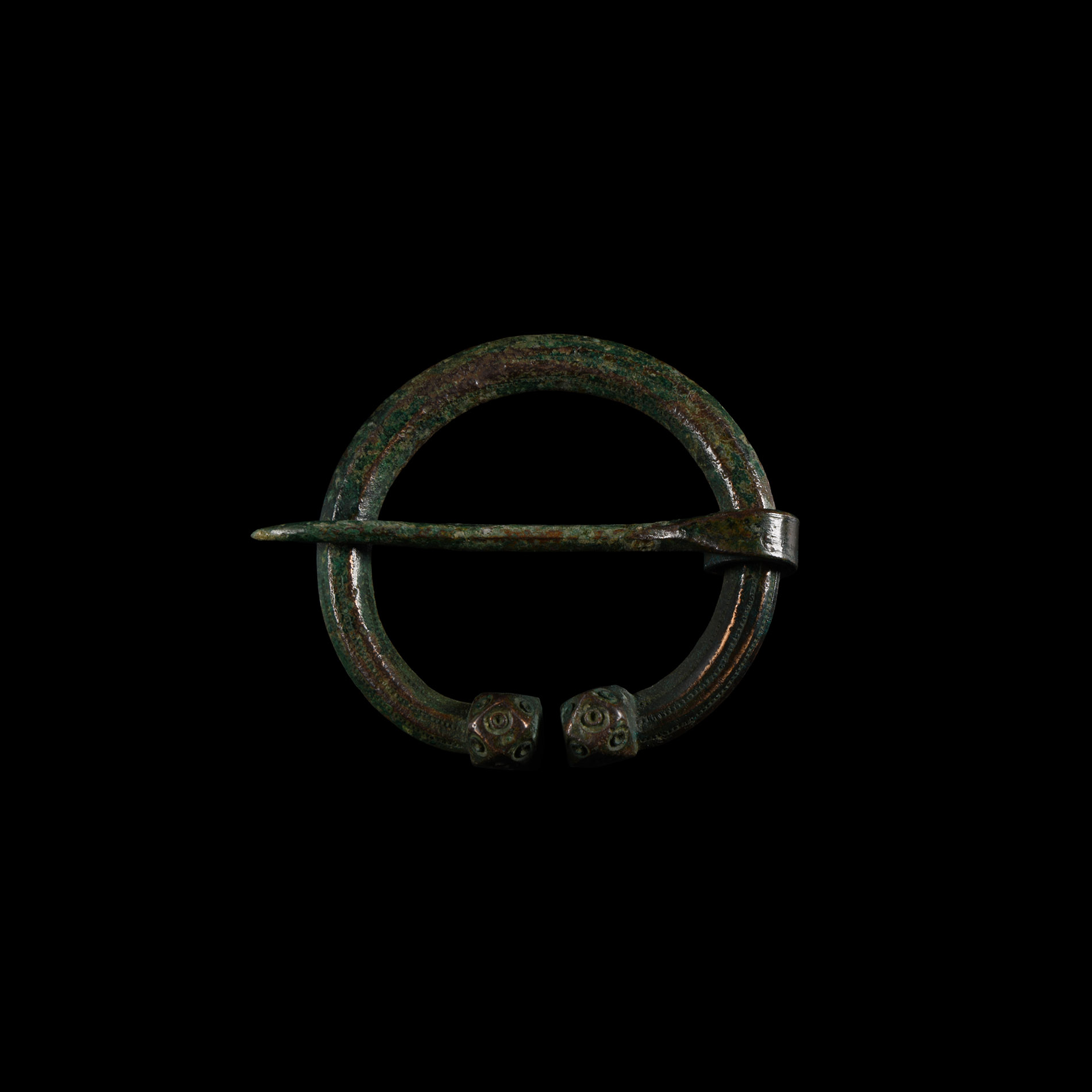
Large Viking Age Bronze Decorated Penannular Brooch
9TH-11TH CENTURY A.D.
3 in. (62.5 grams, 76 mm).
Composed of a facetted hoop with facetted terminals, stamped ring-and-dot ornament to each face, slender bands of pellets to the body, free-running pin with coiled head and facetted stem. [No Reserve]
ProvenanceFrom the collection of a North American gentleman, formed in the 1990s.
CONDITIONTimeLine Auctions follows a vetting process to ensure the authenticity and legality of all items, reinforcing our commitment to integrity and responsible trading. Each antiquity, antique, and coin lot undergoes thorough examination by a vetting committee of at least ten external specialists, professional trade association members, scientists, and archaeologists: Our Vetting Process
AUCTIONS:
TimeLine is a leading auction house specialising in antiquities, ancient art, collectables, natural history, coins, medals, and books. Our auctions offer museums, collectors, historians, and enthusiasts the opportunity to acquire unique and historically significant pieces.
-
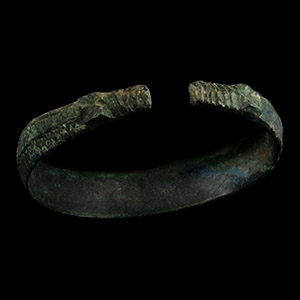
Viking Age Bronze Stamped Bracelet with Beast-Head Terminals
12th-13th century A.D.Sold for (Inc. bp): £325
Slightly carinated in section with zones of punched pellets and triangles, opposed beast-head finials; Baltic workmanship. 35.1 grams, 69 mm
From the collection of a North American gentleman, formed in the 1990s.
In the Baltic workmanship, bracelets were mostly cast and polished. The metal could also be shaped into the desired form by hammering and/ or by twisting one piece of metal. The surface was often ornamented with stamped markings of lines and dots. -
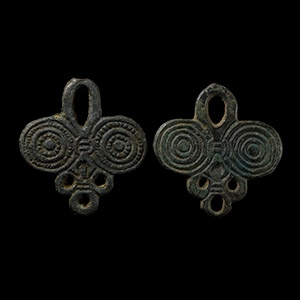
Viking Age Bronze Pendant Pair
9th-11th century A.D.Sold for (Inc. bp): £59
Of openwork form, each displaying the same zoomorphic design with large eyes. 36.5 grams total, 46 mm each
From the collection of a North American gentleman, formed in the 1990s. -
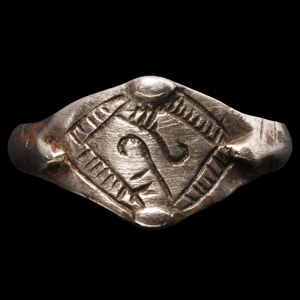
Viking Age Silver Ring with Scrolls
Circa 10th-12th century A.D.Sold for (Inc. bp): £468
Lozengiform bezel with stud to each angle, incised hatched design. 2.32 grams, 22.68 mm overall, 19.91 mm internal diameter (approximate size British S 1/2 , USA 9 1/4, Europe 20.63, Japan 19)
Acquired 1970s. From the private collection of a Northern Ireland gentleman. Ex private Merseyside, UK, collection.
