
Loading, please wait...
LOT 2151
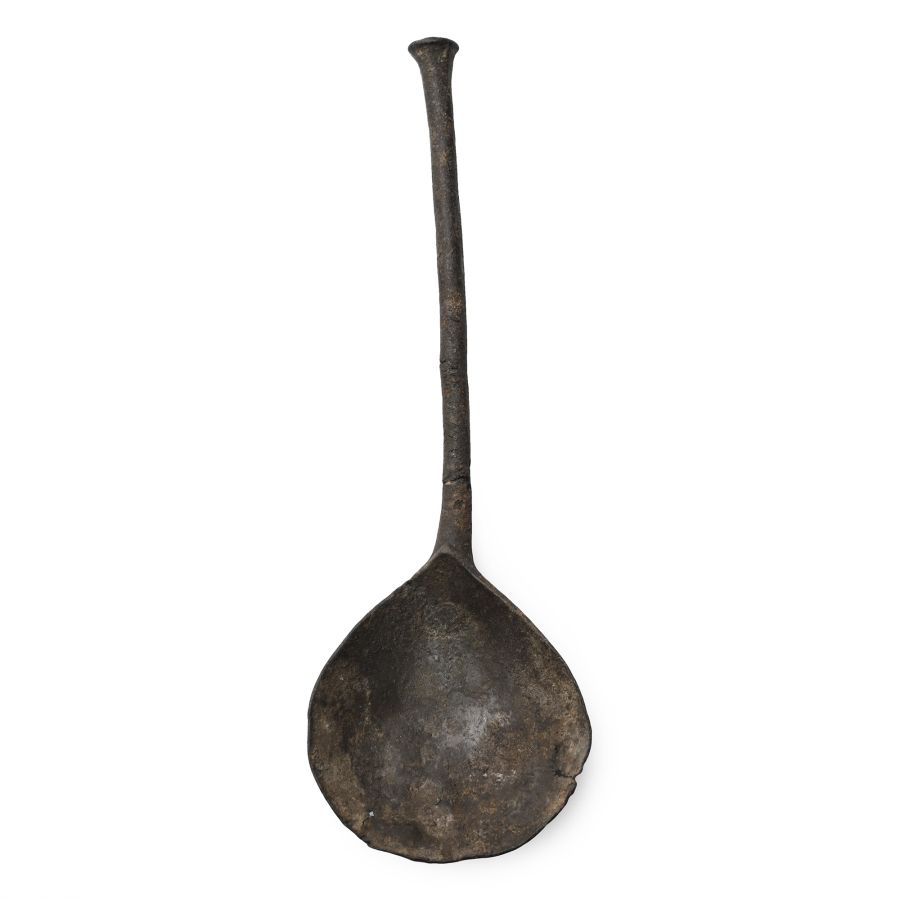
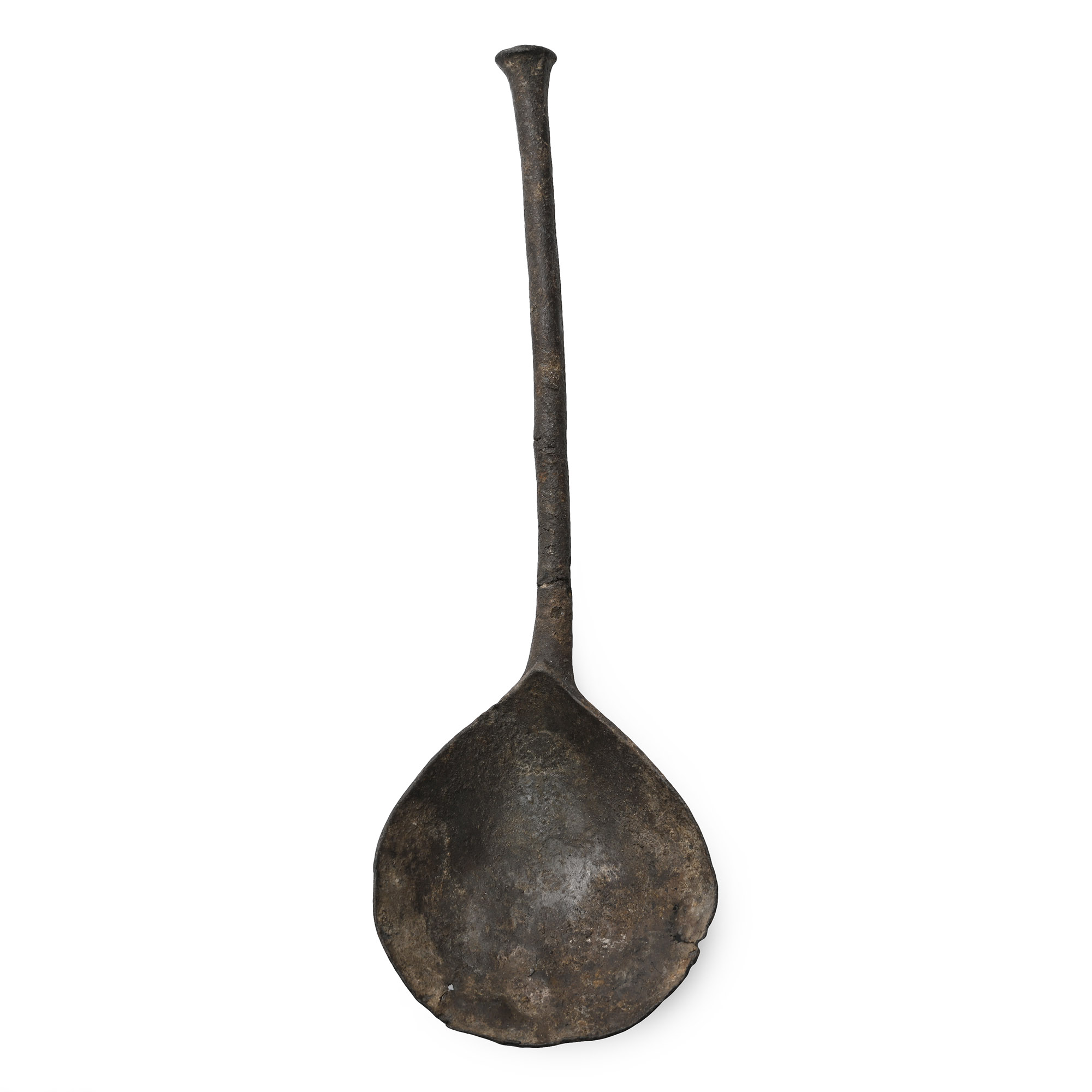
Large Tudor or Stuart Period Pewter Spoon
16TH-17TH CENTURY A.D.
6 7/8 in. (45.4 grams, 17.5 cm).
Comprising an ovoid bowl and a round-section handle with a flattened terminal. [No Reserve]
ProvenanceEx Suffolk, UK, collection.
CONDITIONTimeLine Auctions follows a vetting process to ensure the authenticity and legality of all items, reinforcing our commitment to integrity and responsible trading. Each antiquity, antique, and coin lot undergoes thorough examination by a vetting committee of at least ten external specialists, professional trade association members, scientists, and archaeologists: Our Vetting Process
AUCTIONS:
TimeLine is a leading auction house specialising in antiquities, ancient art, collectables, natural history, coins, medals, and books. Our auctions offer museums, collectors, historians, and enthusiasts the opportunity to acquire unique and historically significant pieces.
-
.jpg)
Post Byzantine Adoration of the Magi Shell Plaque
17th-18th century A.D.Estimate: £150 - 200 (‡+bp*)
Opening Bid: £75
Octagonal in plan with carved scene of the Adoration of the Magi with star above; stepped border, pierced for attachment. 30.2 grams, 68 mm
Acquired in the mid 1980s-1990s. Private collection, Switzerland, thence by descent. Private collection, since the late 1990s.
The flat relief and the stylistic refinement of the images place the execution of the plaque towards the end of the 17th century, with some artistic parallels with the Romanian silversmiths of Chiprovatzi. -
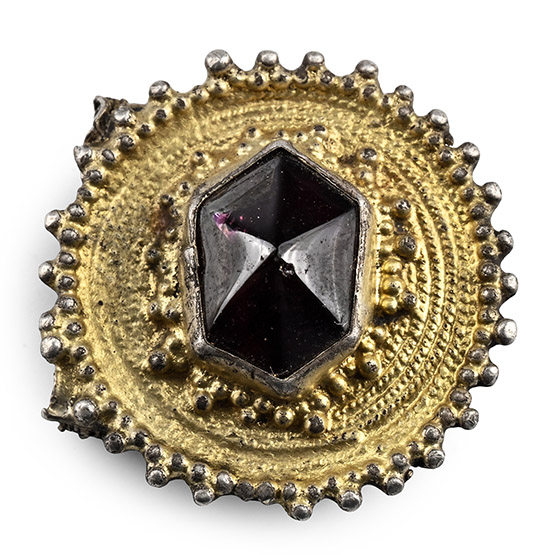
Tudor Period Silver-Gilt Mount with Facetted Garnet
16th-17th century A.D.Sold for (Inc. bp): £169
Discoid plaque with granules to the rim, concentric rings to the face and central hexagonal cell with inset garnet gemstone, mounting loops to reverse. 3.16 grams, 20 mm
Ex German art market, 2000s. Acquired from an EU collector living in London. From the collection of a Surrey, UK, gentleman. -
.jpg)
Renaissance Silver Interlinking Necklace
Germany, 16th century A.D.Sold for (Inc. bp): £2,340
Comprising interlinking flat loops with pierced spacers decorated with Renaissance motifs, winged telamon and ‘jewels’; sturdy hook-and-eye closure. 110 grams, 49 cm
Private collection, Europe. Acquired on the English art market. This lot has been checked against the Interpol Database of stolen works of art and is accompanied by search certificate number no.13154-248389.
Such chains were known as a 'Sivlonot' in German Jewish tradition dating from the 16th century, in a custom whereby silver or gold chains were sent as a gift by the bridegroom to his future bride. They were worn under the bridal canopy and throughout the following week, then often brought out again for holidays and ceremonial occasions.
