
Loading, please wait...
LOT 2023
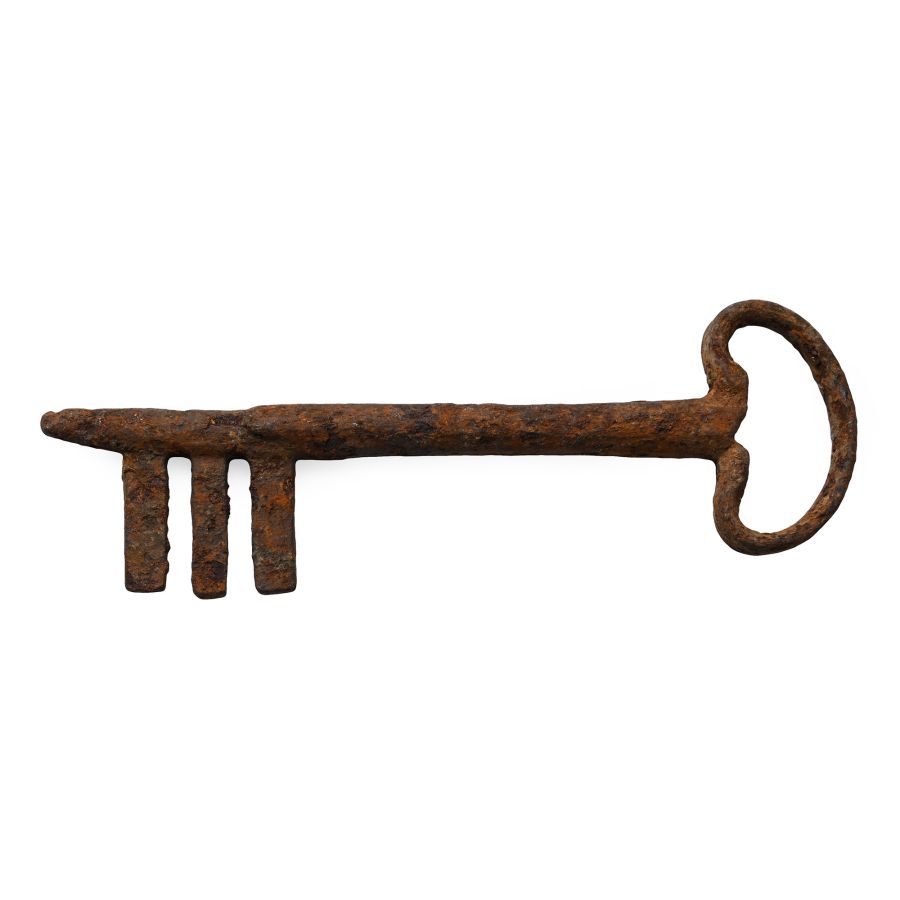
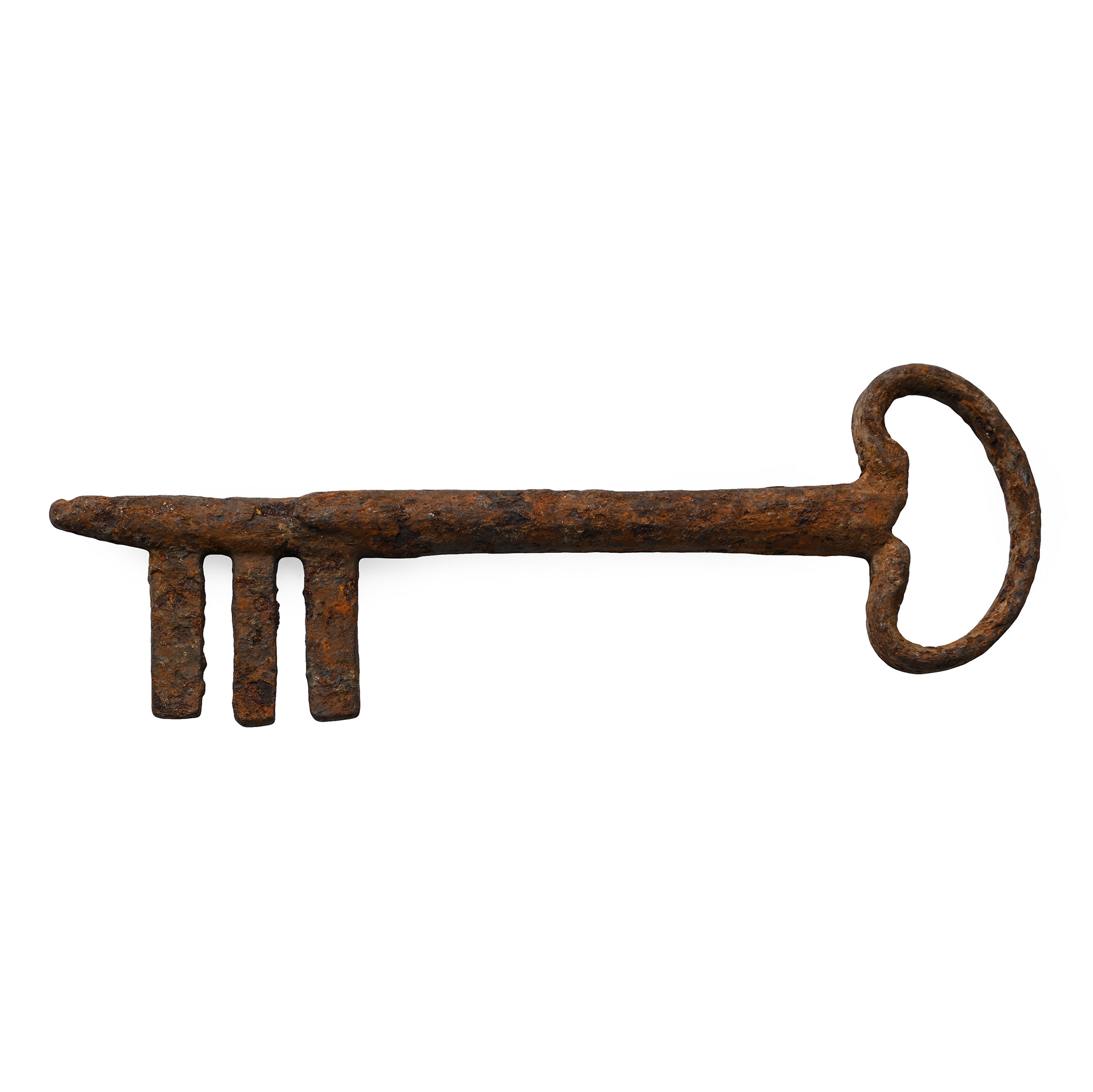
Large Tudor or Stuart Period Iron Door Key
16TH-17TH CENTURY A.D.
6 1/8 in. (114 grams, 15.5 cm).
With a round-section looped handle.
ProvenanceEx Suffolk, UK, collection.
CONDITIONTimeLine Auctions follows a vetting process to ensure the authenticity and legality of all items, reinforcing our commitment to integrity and responsible trading. Each antiquity, antique, and coin lot undergoes thorough examination by a vetting committee of at least ten external specialists, professional trade association members, scientists, and archaeologists: Our Vetting Process
AUCTIONS:
TimeLine is a leading auction house specialising in antiquities, ancient art, collectables, natural history, coins, medals, and books. Our auctions offer museums, collectors, historians, and enthusiasts the opportunity to acquire unique and historically significant pieces.
-
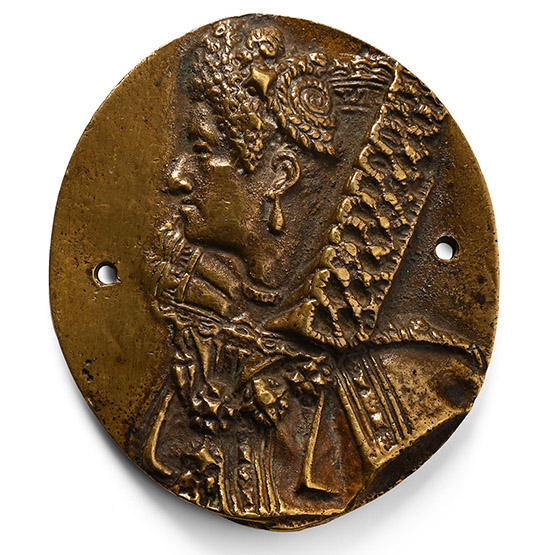
Post Medieval Bronze Medallion of Maria Magdalena of Austria
France, 17th century A.D.Estimate: £120 - 170 (+bp*)
Opening Bid: £60
A heavy medallion bearing the profile bust of Maria Magdalena of Austria (1587-1629), cast from a medal by Guillaume Dupré, circa. 1613; pierced twice through the edge for mounting. 93 grams, 76 mm
Private collection, UK.
Maria Magdalena of Austria (1587-1629) was the Archduchess of Austria, Grand Duchess of Tuscany and wife of Cosimo II de’ Medici (1589-1636). -
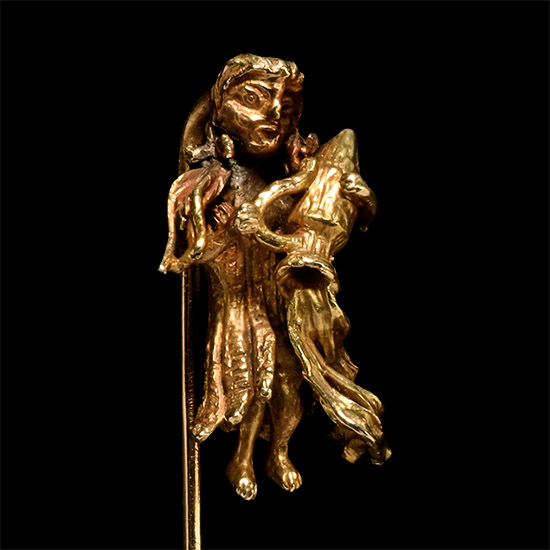
Post Medieval Gold Tie Pin of Aquarius
19th century A.D.Estimate: £300 - 400 (+bp*)
Opening Bid: £150
Modelled in the round female figure holding an inverted amphora with liquid flowing forth; mounted on a sturdy gold pin. 2.97 grams, 45 mm
Private collection, Europe. Acquired on the English art market. -
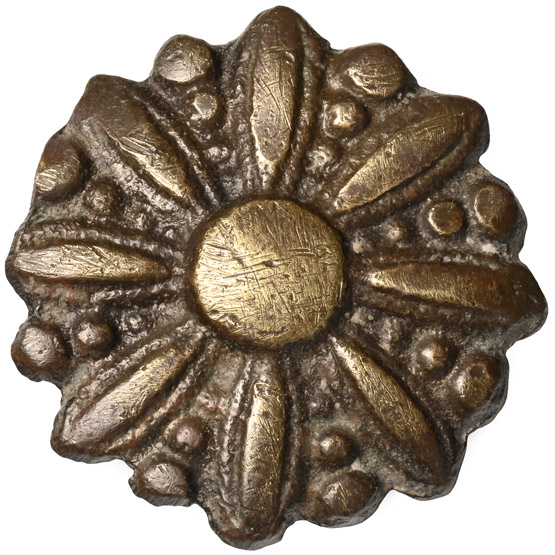
Post Medieval Bronze Flower Mount
17th-18th century A.D.Sold for (Inc. bp): £7
Modelled as an eight-petalled flower with pellets between the petals; remains of mounting lugs on the reverse. 13.6 grams, 36 mm
London, UK, art market, 1980s. Private collection, London, UK.
