
Loading, please wait...
LOT 1385
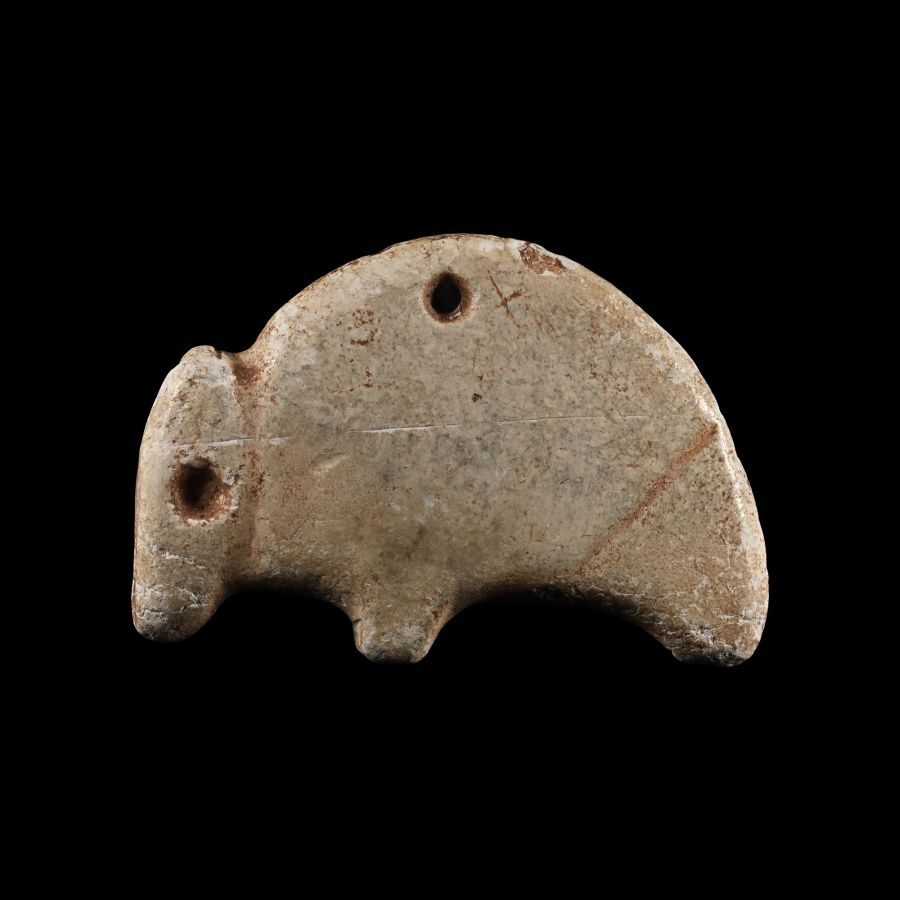
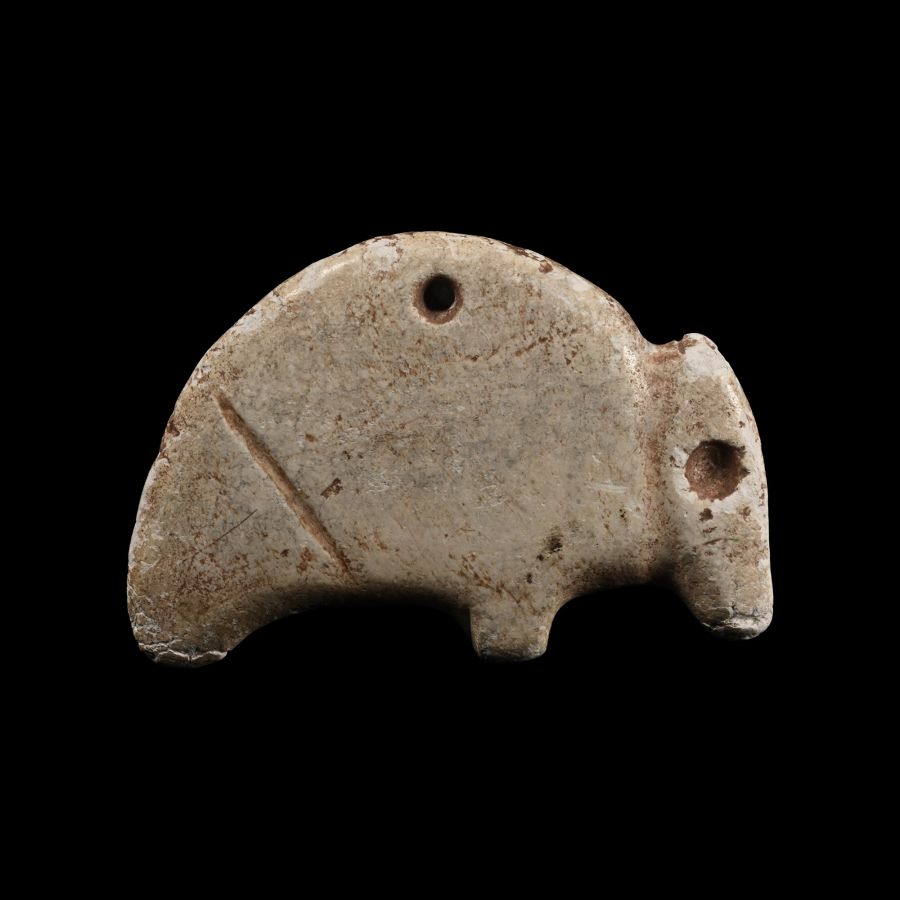
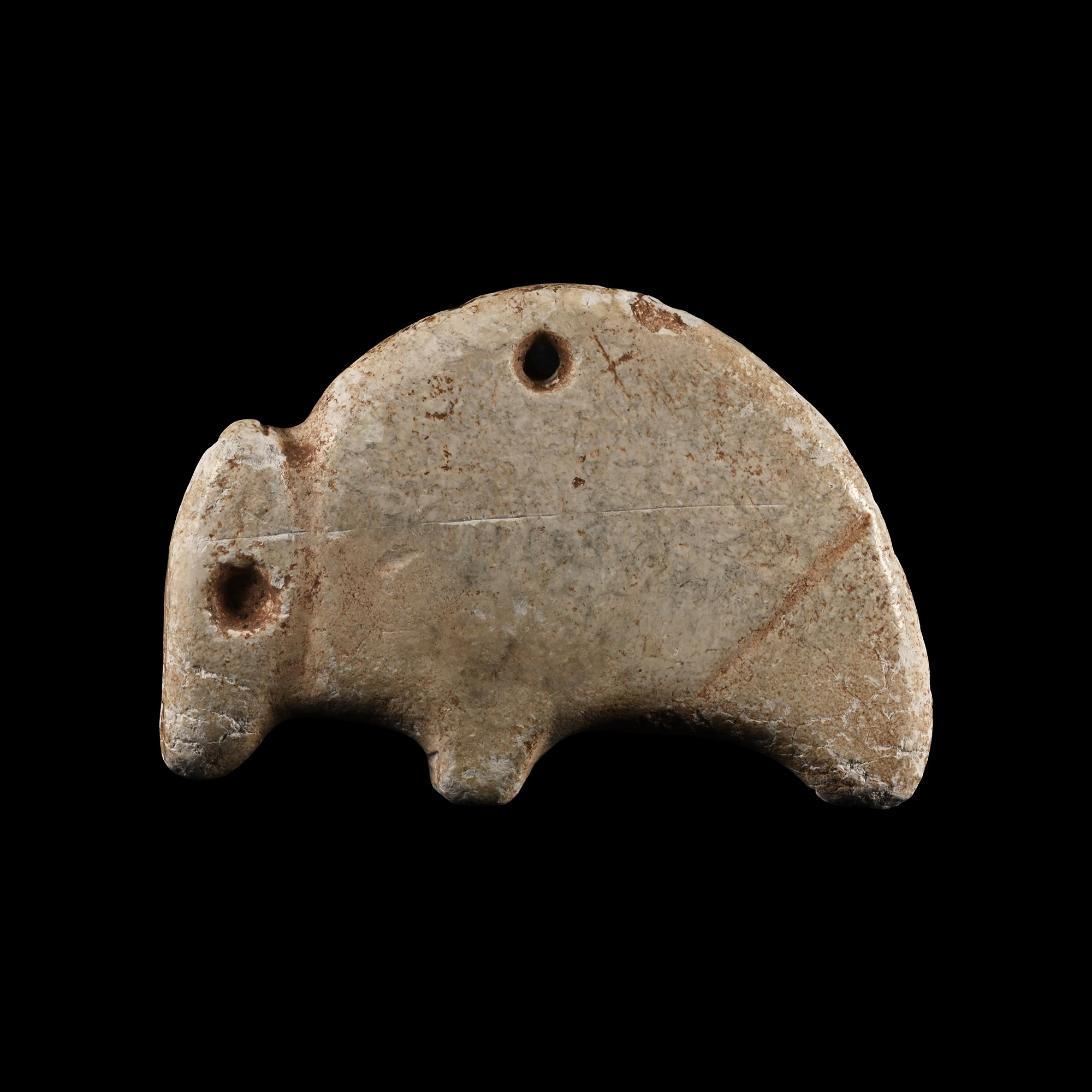
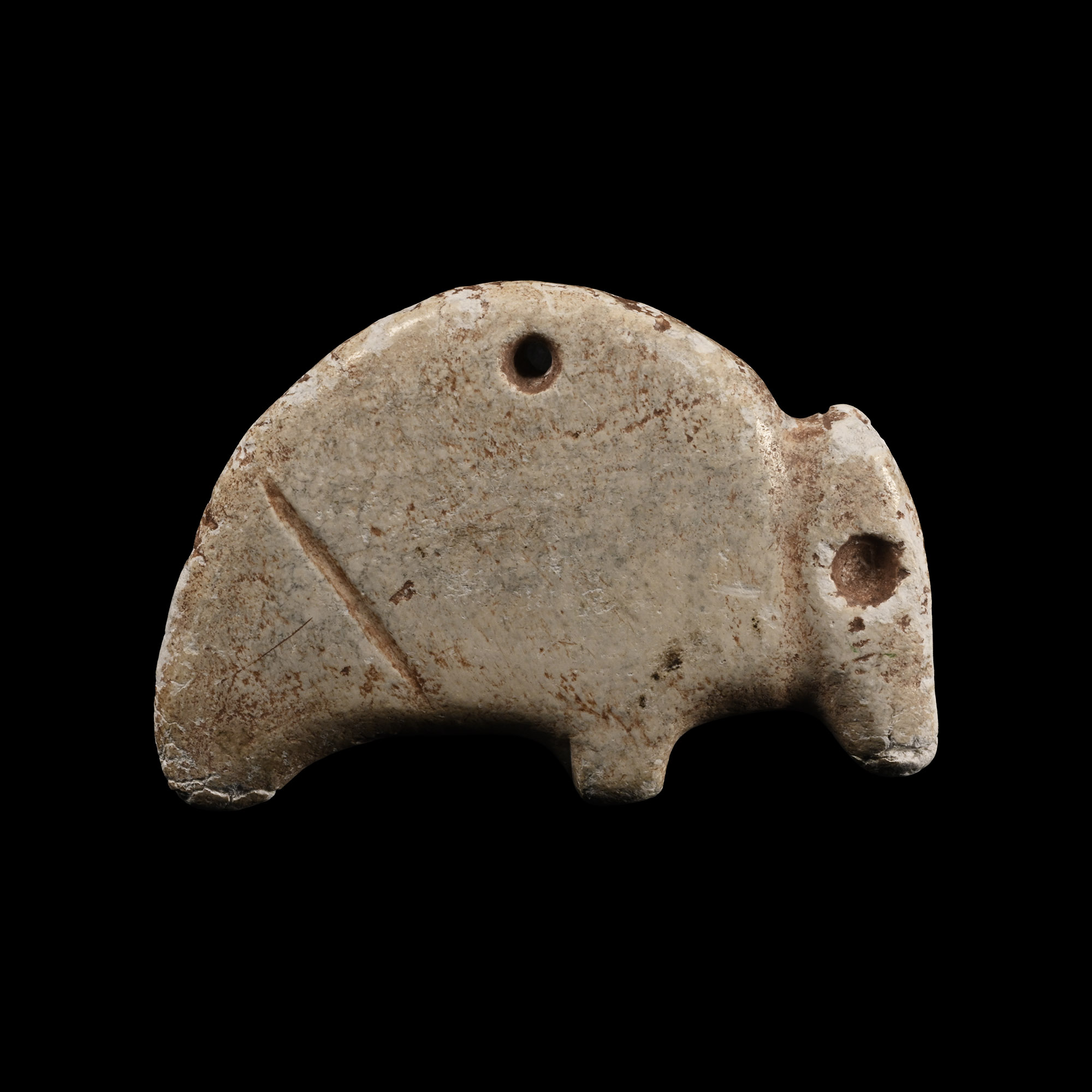
Large Sumerian Animal Amulet
3RD MILLENNIUM B.C.
2 7/8 in. (62 grams, 74 mm).
Carved bifacial amuletic pendant of an ox with incised detailing, sockets for inlaid eyes, suspension hole at shoulder.
ProvenanceFrom the collection of a gentleman, acquired on the London art market in the 1990s.
CONDITIONTimeLine Auctions follows a vetting process to ensure the authenticity and legality of all items, reinforcing our commitment to integrity and responsible trading. Each antiquity, antique, and coin lot undergoes thorough examination by a vetting committee of at least ten external specialists, professional trade association members, scientists, and archaeologists: Our Vetting Process
AUCTIONS:
TimeLine is a leading auction house specialising in antiquities, ancient art, collectables, natural history, coins, medals, and books. Our auctions offer museums, collectors, historians, and enthusiasts the opportunity to acquire unique and historically significant pieces.
-
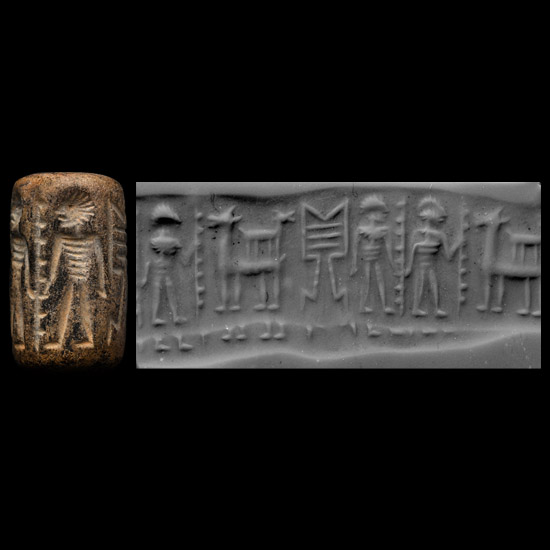
Western Asiatic Grey Stone Cylinder Seal with Figural Scene
2nd-1st millennium B.C.Sold for (Inc. bp): £260
Frieze with two facing figures with staffs, horse and foal, structure between; supplied with a museum-quality impression. 2.68 grams, 16.81 mm
From the private collection of a European gentleman (1942-2024), formed since the 1970s. -
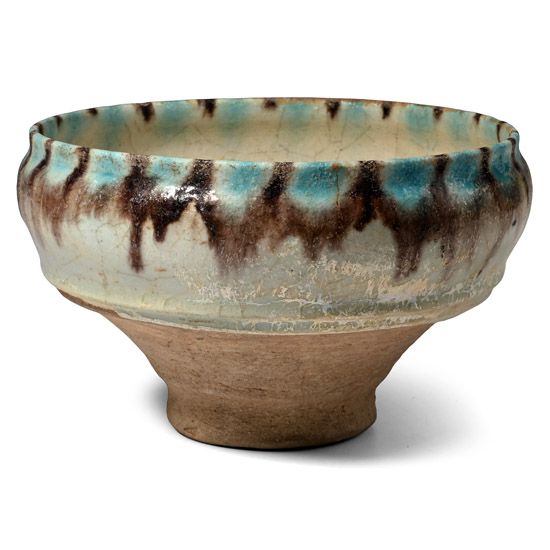
Western Asiatic Bowl with Blue Glaze
Circa 12th century A.D.Estimate: £1,000 - 1,400 (+bp*)
Opening Bid: £500
With conical lower body, carination and rounded bowl; white glaze with blue and black zigzags. 394 grams, 17 cm wide
Ex London, UK, gallery, 1971-early 2000s. London, UK, collection. -
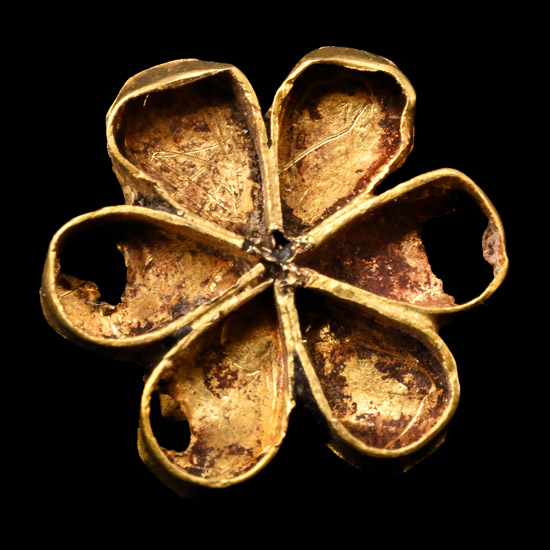
Western Asiatic Gold Flower-Shaped Pendant
1st millennium B.C.Sold for (Inc. bp): £117
Formed as a six-petalled flower with two loops on the reverse, each petal formed as a cell to accept an inlay. 0.40 grams, 10 mm
Ex private British collection, formed in the 1980s. Property of a West Northamptonshire, UK, gentleman.
