
Loading, please wait...
LOT 1325
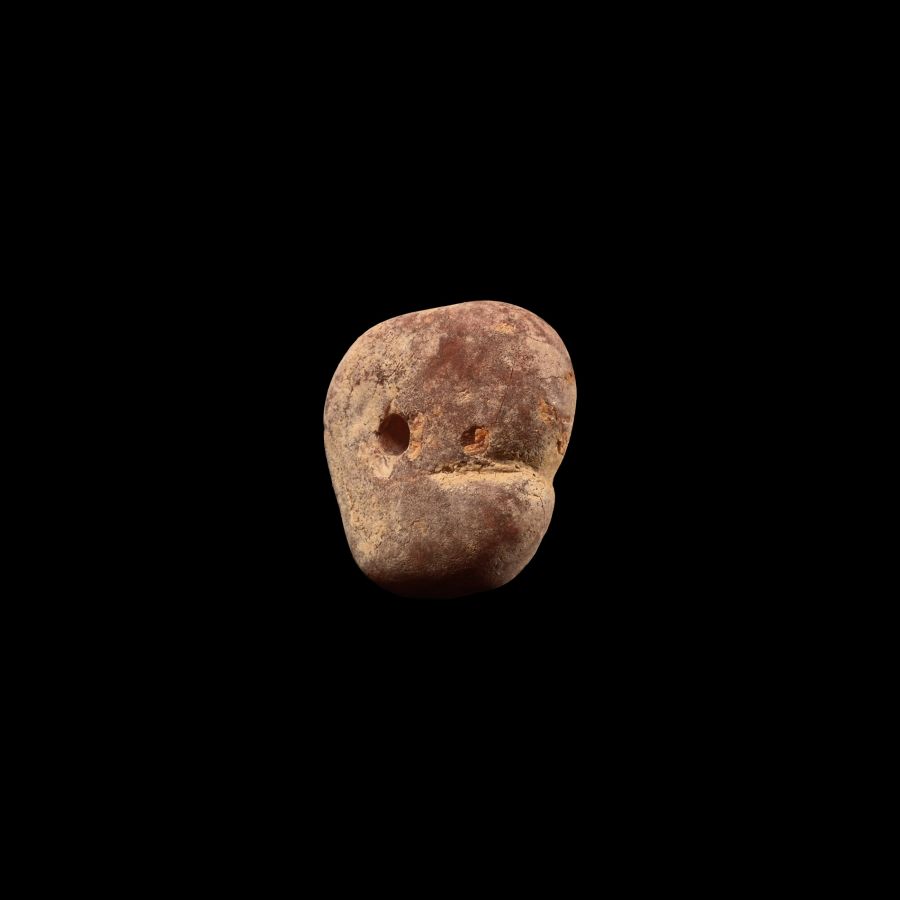
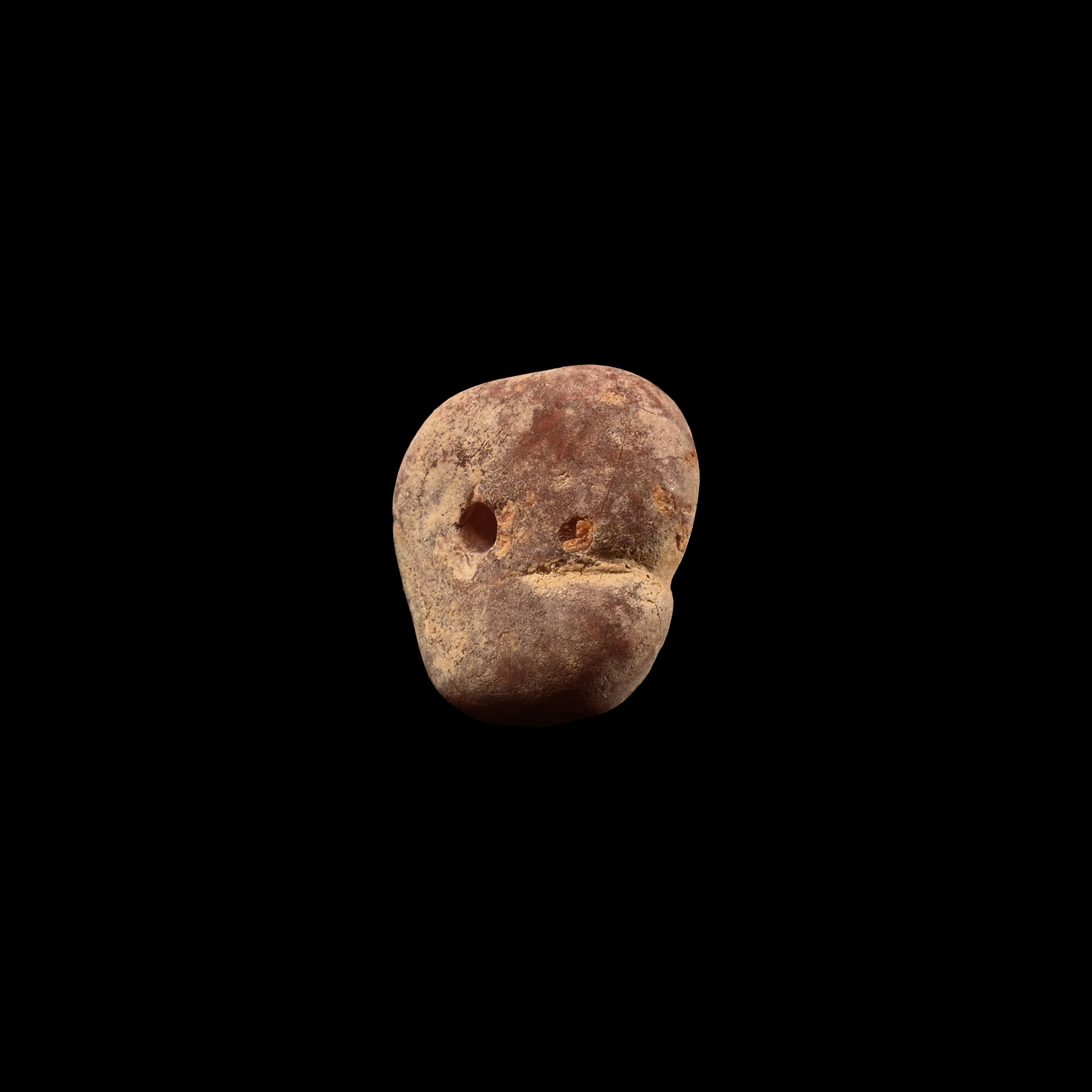
Large Saxon Amber Bead
CIRCA 5TH-6TH CENTURY A.D.
7/8 in. (3.19 grams, 22 mm).
Opaque and amorphous in form, with a holed drilled slightly off-centre for suspension. [No Reserve]
ProvenanceUK gallery, early 2000s.
CONDITIONTimeLine Auctions follows a vetting process to ensure the authenticity and legality of all items, reinforcing our commitment to integrity and responsible trading. Each antiquity, antique, and coin lot undergoes thorough examination by a vetting committee of at least ten external specialists, professional trade association members, scientists, and archaeologists: Our Vetting Process
AUCTIONS:
TimeLine is a leading auction house specialising in antiquities, ancient art, collectables, natural history, coins, medals, and books. Our auctions offer museums, collectors, historians, and enthusiasts the opportunity to acquire unique and historically significant pieces.
-
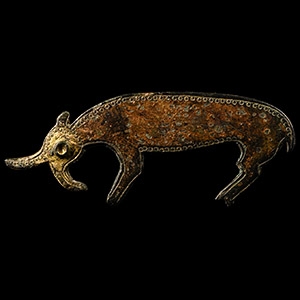
Anglo-Saxon Bronze Mythical Beast Shield Mount
Circa 6th-7th century A.D.Sold for (Inc. bp): £650
With punched outline to the body and legs, gilded head with open jaws and raised cell eye; attachment studs to the reverse. 10.2 grams, 60 mm
Found near Grimsby, UK, circa 2015.
A number of similar mounts, probably from shields or possibly saddles, have been found in England, notably the beast from grave 26 at Bergh Apton (Norfolk) where the animal depicted may be a bear. -
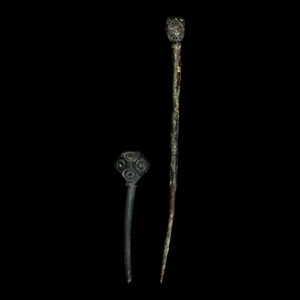
Saxon Bronze Dress Pin Group
6th-8th century A.D.Sold for (Inc. bp): £39
One complete with facetted head punched-decorated with ring-and-dot motifs; bulbous facetted pin head punch-decorated with ring-and-dot motifs, partial remains of stem. 8.2 grams total, 38-77 mm
From the collection of a North American gentleman, formed in the 1990s. -
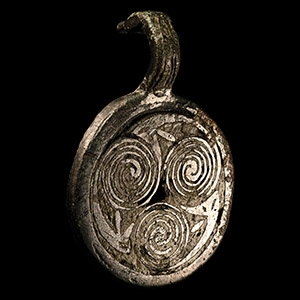
Large Anglo-Saxon Silvered Bronze Hanging Bowl Mount
Circa 6th-7th century A.D.Sold for (Inc. bp): £3,120
Discoid and hollow to the reverse with raised rim and shallow suspension hook with beast-head facetting; panel of three La Tène spirals and comma-leaf motifs, central void. 25.5 grams, 57 mm
Found near Grimsby, Lincolnshire, UK, circa 2010. This lot has been checked against the Interpol Database of stolen works of art and is accompanied by search certificate no.11893-204384.
Bowl mounts in groups of three are believed to have adorned the rim of bronze cauldrons which were used for the public dispensing of beer or mead at feasts. They are usually decorated in a manner which suggests that they were made in the north or northwest of Britain, and were either traded with the Anglo-Saxon kingdoms or, more likely, they formed part of the circulation of prestige goods among leading families in ritualised gift exchange.
