
Loading, please wait...
LOT 1405
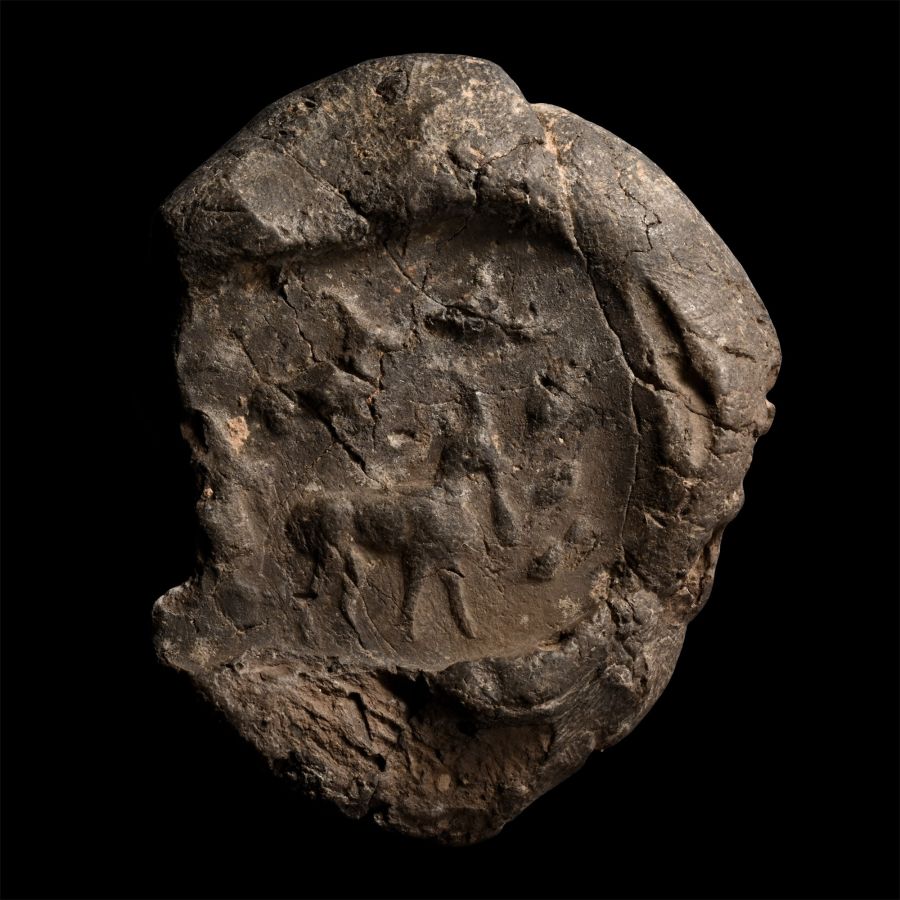
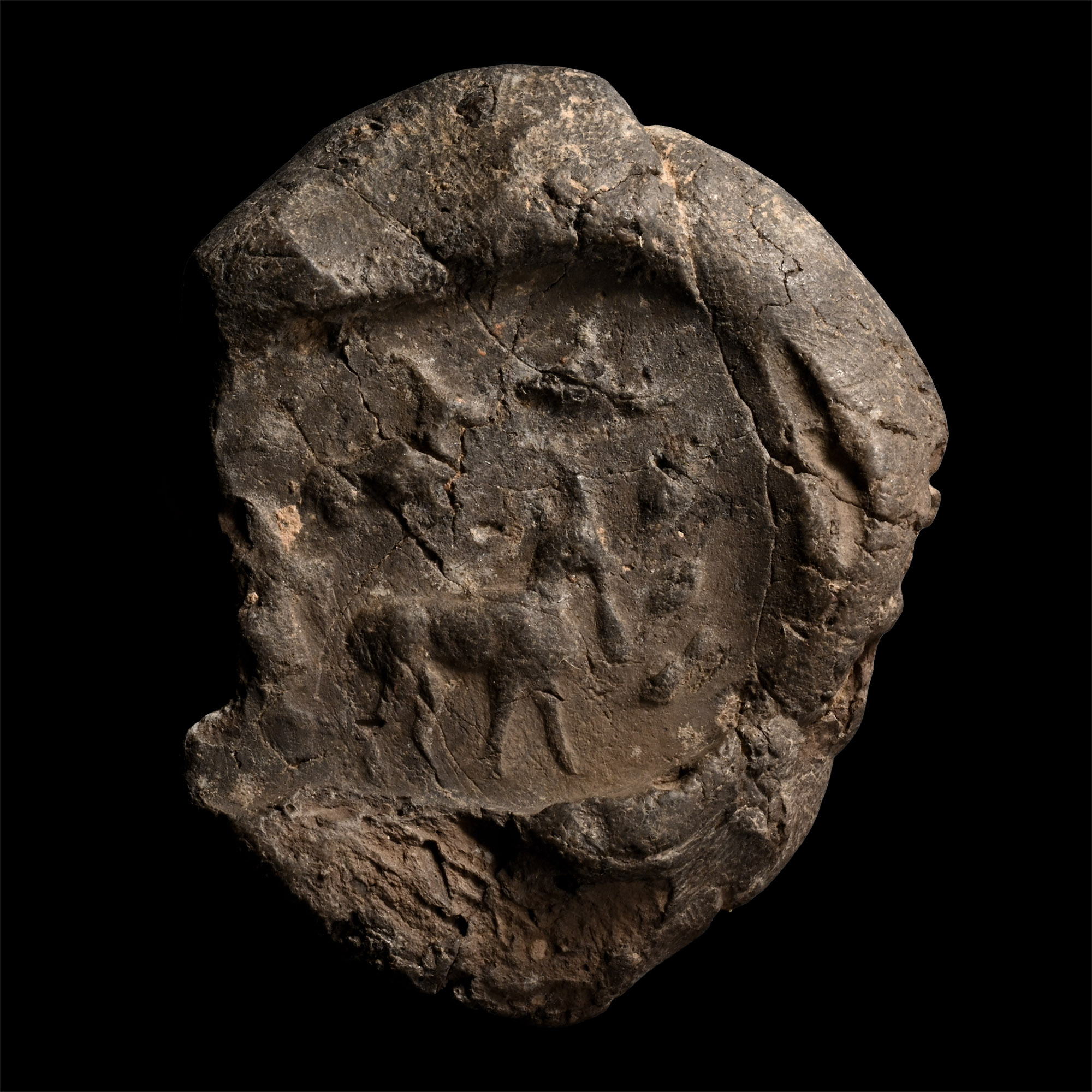
Large Sasanian Terracotta Bulla with Animals
CIRCA 400-600 A.D.
1 3/4 in. (21.6 grams, 45 mm).
A large fragment of a bulla showing a standing ibex and other animals. [No Reserve]
ProvenanceFrom the private collection of a European gentleman (1942-2024), formed since the 1970s.
LiteratureThe bulla presents similarity in style with a Sassanian bulla in the Saeedi Collection, see Gyselen, R., Sasanian Seals and sealings in the A.E. Saeedi Collection, Leuven, 2007, cat.VC/5.
CONDITIONTimeLine Auctions follows a vetting process to ensure the authenticity and legality of all items, reinforcing our commitment to integrity and responsible trading. Each antiquity, antique, and coin lot undergoes thorough examination by a vetting committee of at least ten external specialists, professional trade association members, scientists, and archaeologists: Our Vetting Process
AUCTIONS:
TimeLine is a leading auction house specialising in antiquities, ancient art, collectables, natural history, coins, medals, and books. Our auctions offer museums, collectors, historians, and enthusiasts the opportunity to acquire unique and historically significant pieces.
-
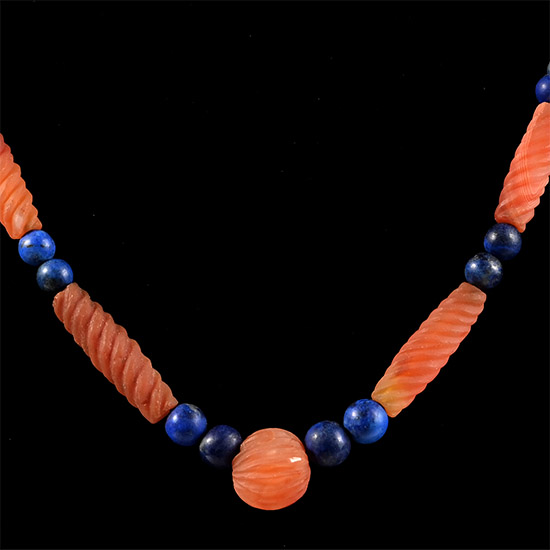
Bactrian Style Lapis Lazuli and Carnelian Bead Necklace String
20th century A.D.Sold for (Inc. bp): £39
Designer necklace composed of spherical beads interspersed with barley twist beads; restrung. 66.5 grams, 52.5 cm
Acquired in the 1990s-early 2000s. Ex London, UK, collection. -
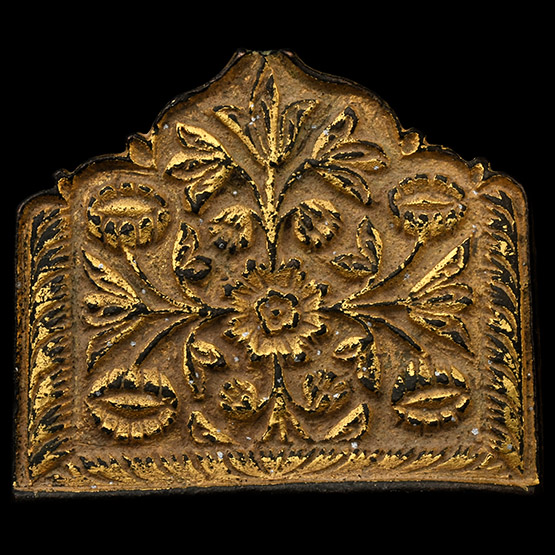
Golden Horde Gilt Bronze Fastening Element
13th-14th century A.D.Estimate: £200 - 300 (‡+bp*)
Opening Bid: £100
Pentagonal in plan with scooped ogival upper edge, shallow sides and slider-bar to reverse; high-relief decorative motifs of rosette and radiating stems and leaves. 18.25 grams, 43 mm
Acquired in the mid 1980s-1990s. Private collection, Switzerland, thence by descent. Private collection, since the late 1990s. -
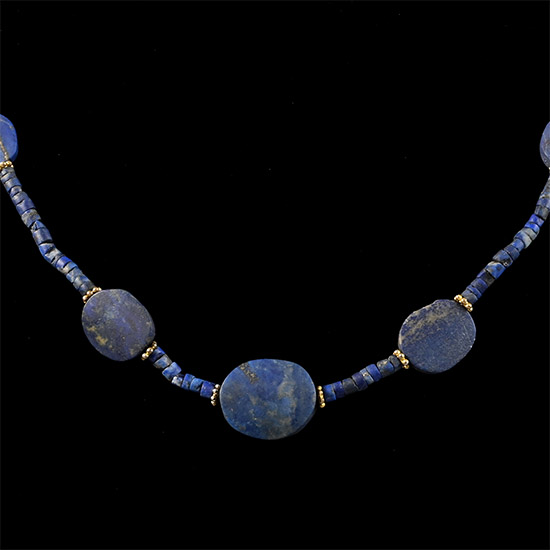
Bactrian Style Lapis Lazuli Bead Necklace String
20th century A.D.Sold for (Inc. bp): £20
Composed of coin-shaped and tubular beads interspersed with metal spacers, restrung. 33.8 grams, 49 cm
Acquired in the 1990s-early 2000s. Ex London, UK, collection.
