
Loading, please wait...
LOT 0602
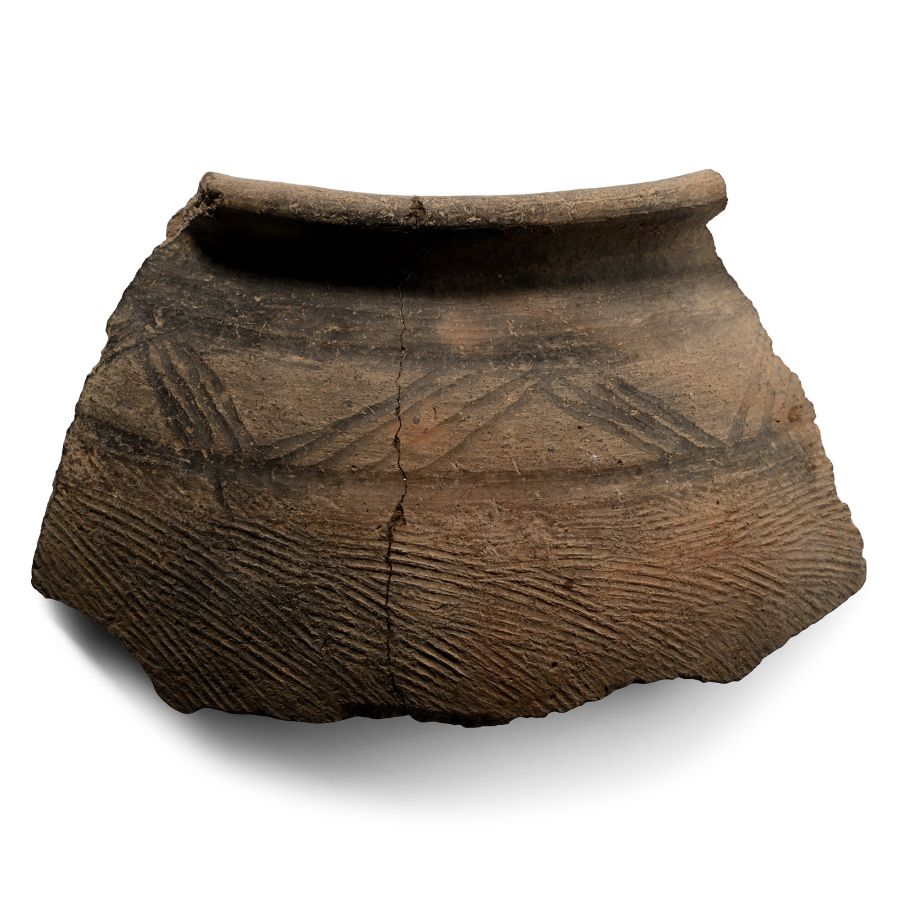
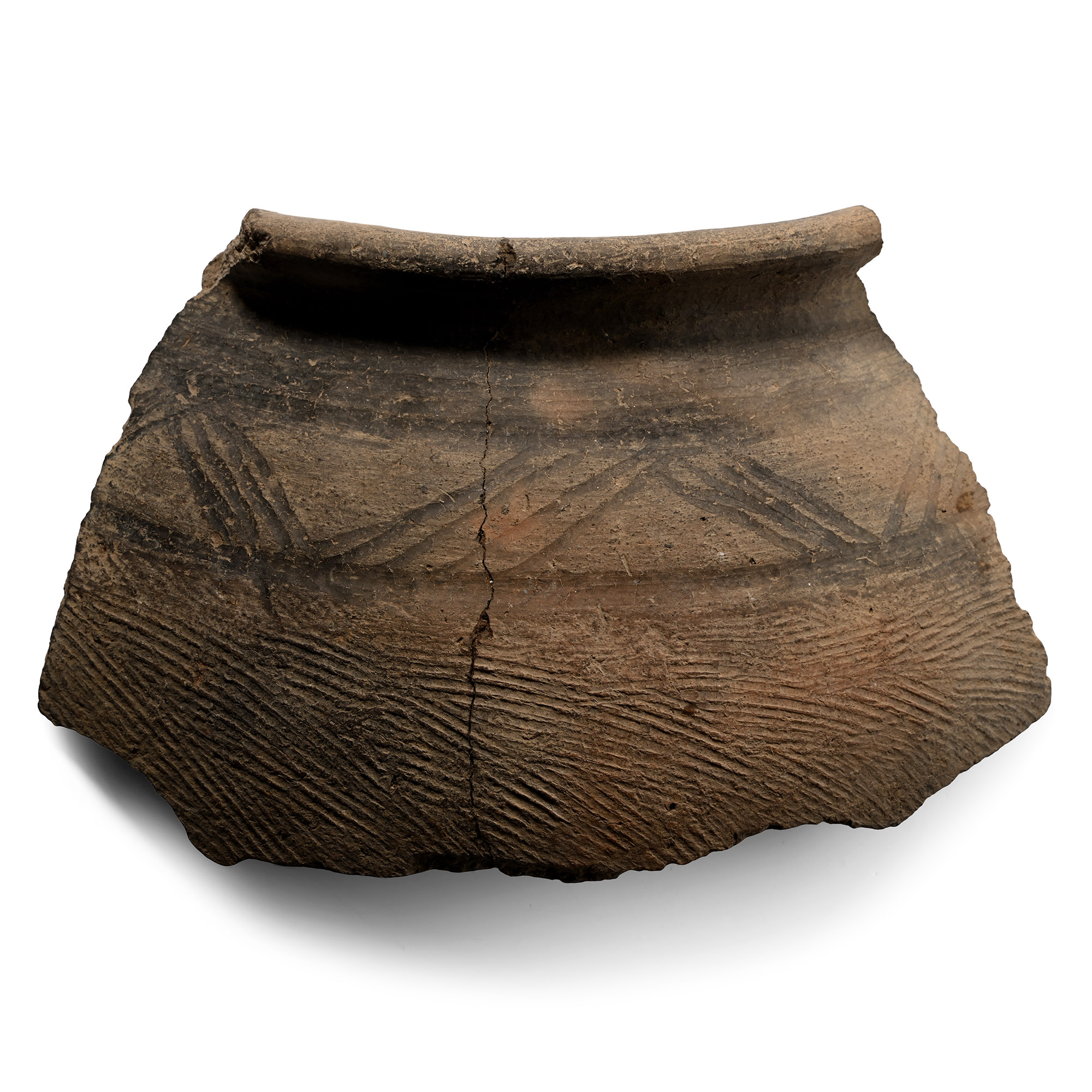
Large Romano-British Decorated Black-Burnished Ware Pot Sherd
CIRCA 2ND CENTURY A.D.
9 in. (487 grams, 23 cm).
Substantial fragment from a bulbous vessel with an everted rim, a band of linear decoration below the rim, and the body decorated with a combing technique; the reverse with an old inked collection note 'opp. railstation Braughing'. [No Reserve]
ProvenanceFound near the village of Braughing in Hertfordshire, UK, in the early 1960s.
By descent to the son of a late Hertfordshire gentleman collector, whose collection was formed from the 1960s.
TimeLine Auctions follows a vetting process to ensure the authenticity and legality of all items, reinforcing our commitment to integrity and responsible trading. Each antiquity, antique, and coin lot undergoes thorough examination by a vetting committee of at least ten external specialists, professional trade association members, scientists, and archaeologists: Our Vetting Process
AUCTIONS:
TimeLine is a leading auction house specialising in antiquities, ancient art, collectables, natural history, coins, medals, and books. Our auctions offer museums, collectors, historians, and enthusiasts the opportunity to acquire unique and historically significant pieces.
LOT 0602
Large Romano-British Decorated Black-Burnished Ware Pot Sherd
Sold for (Inc. bp): £39
-
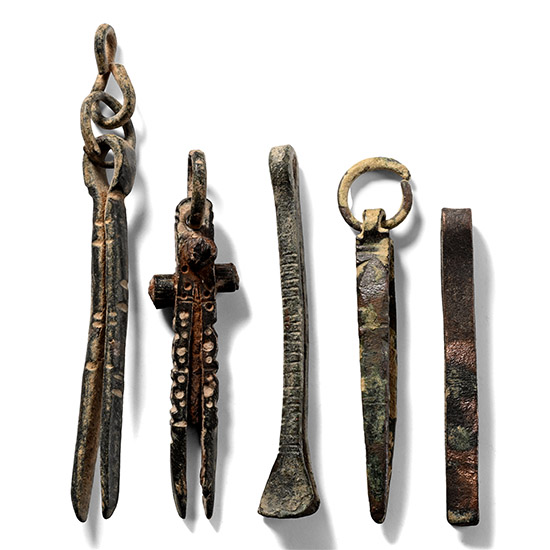
Late Roman Bronze Decorated Tweezer Collection
4th-6th century A.D.Sold for (Inc. bp): £286
Comprising five pairs, each of a different type, including one hinged tweezer-type tool with remains of a ferrous insert. 28.58 grams total, 47-75 mm
Ex German art market, 2000s. Acquired from an EU collector living in London. From the collection of a Surrey, UK, gentleman. -
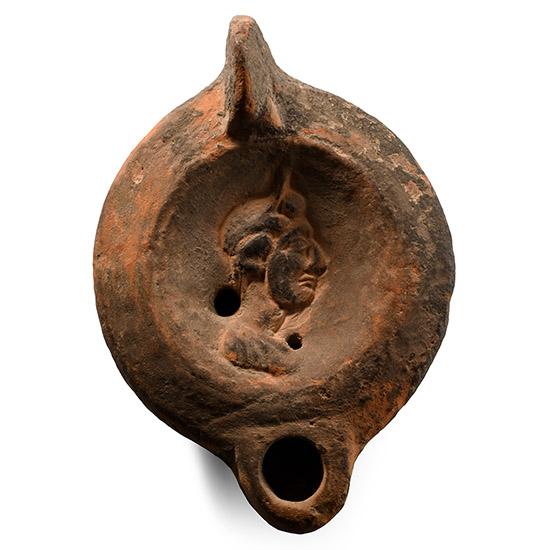
Large Roman Terracotta Oil Lamp with Bust
Circa 2nd century A.D. or laterSold for (Inc. bp): £130
Rounded body with a short nozzle and lug handle, the discus with a profile bust of a youth, inked collector's number 'L115' on the base. 150 grams, 12.2 cm
Ex important German collection, 1960-1990. -
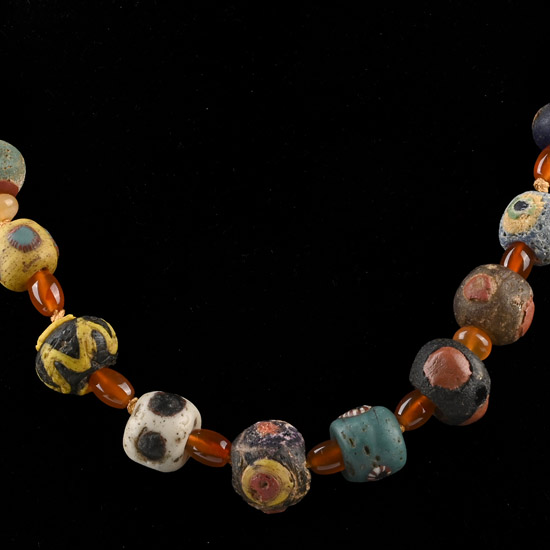
Roman and Later Glass 'Eye' Bead Necklace
3rd-4th century A.D. and laterSold for (Inc. bp): £390
Designer necklace composed of alternating 'eye' and other polychrome glass beads alternating with polished carnelian beads, restrung and with a hook-and-loop clasp. 99 grams, 53 cm
London, UK gallery, 1971-early 2000s. Private collection, London, UK.
