
Loading, please wait...
LOT 0928
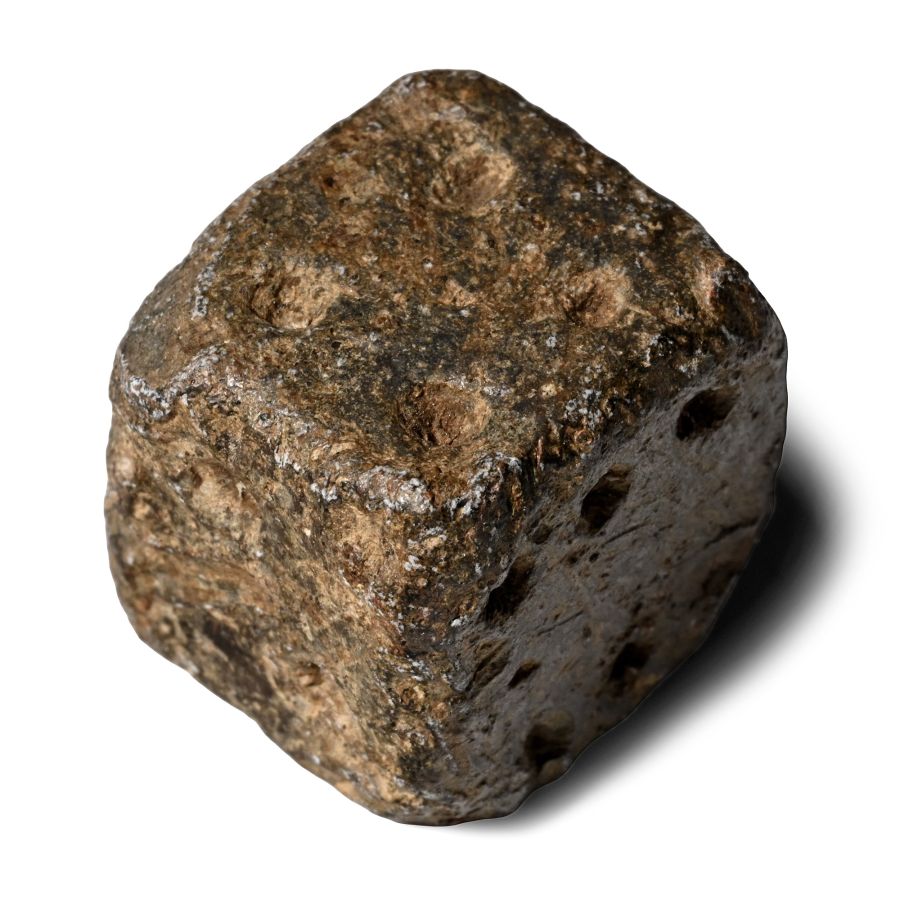
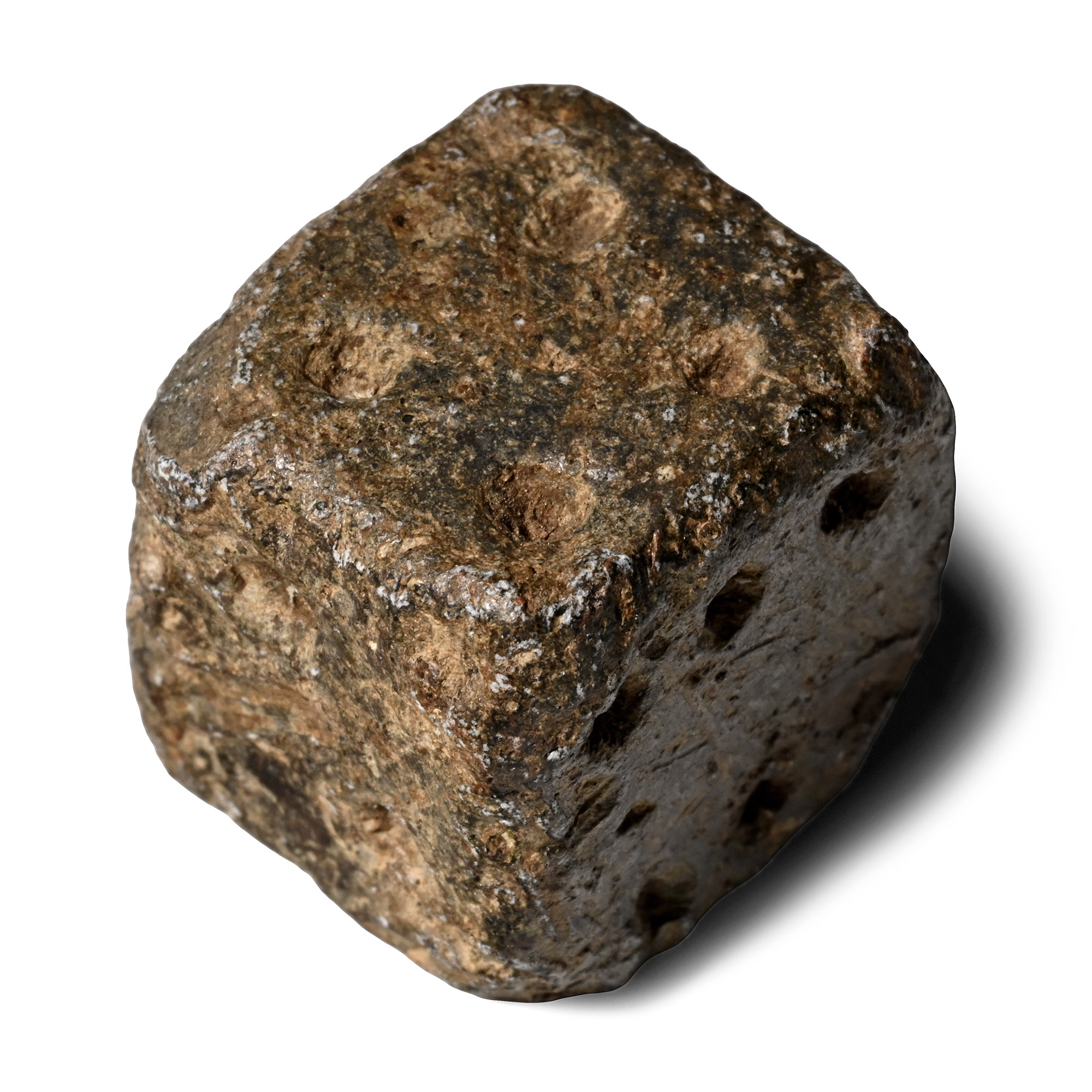
Large Roman Lead Gaming Die
CIRCA 1ST-4TH CENTURY A.D.
3/4 in. (57.2 grams, 19 mm).
Cuboid dice with impressed markings unusually disposed 1:6, 2:3, 4:5. [No Reserve]
ProvenanceEx gentleman collector of antique and antiquity games from Berkshire, UK, having collected for over 20 years.
CONDITIONTimeLine Auctions follows a vetting process to ensure the authenticity and legality of all items, reinforcing our commitment to integrity and responsible trading. Each antiquity, antique, and coin lot undergoes thorough examination by a vetting committee of at least ten external specialists, professional trade association members, scientists, and archaeologists: Our Vetting Process
AUCTIONS:
TimeLine is a leading auction house specialising in antiquities, ancient art, collectables, natural history, coins, medals, and books. Our auctions offer museums, collectors, historians, and enthusiasts the opportunity to acquire unique and historically significant pieces.
-
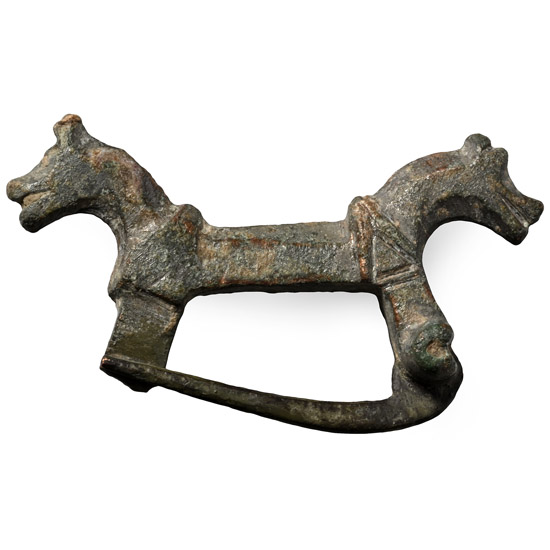
Roman Bronze Double-Horse Brooch
4th-5th century A.D.Sold for (Inc. bp): £143
Bow brooch formed as an arch with addorsed horse-heads with notched detailing, pin and catchplate below. 9.68 grams, 41 mm
From the private coin collection of a West London, UK, gentleman, formed since the mid 1980s. -
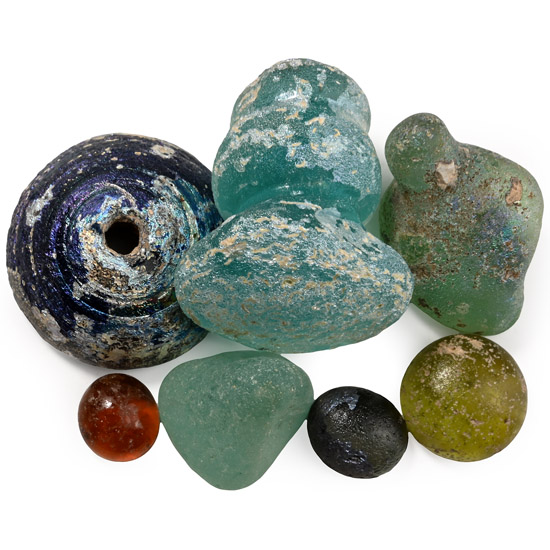
Roman Glass Artefact Collection
1st-4th century A.D.Sold for (Inc. bp): £33
Including aqua glass stopper with knop handle, plano-convex spindle whorl with iridescent surface and other items; probably used as counters in boardgames. 32 grams total, 9-27 mm
From the private collection of Mr Brian Edwards, New Malden, Surrey, UK, formed from the late 1970s-early 1980s; thence by descent. Accompanied by the original collector's data sheet(s) with reference nos.A70, A99, & A118. -
.jpg)
Late Roman Haematite Four-Sided Amulet with FIgures
4th-5th century A.D.Sold for (Inc. bp): £104
Pierced longitudinally, the first side with a figure standing below a large tree (the god Hop?), the second with a tree and three animals, the third with an altar with two birds and a dancing pair of figures below, the fourth side with a dog, symbols above. 3.9 grams, 20 mm
From the private collection of a European gentleman (1942-2024), formed since the 1970s.
