
Loading, please wait...
LOT 0821
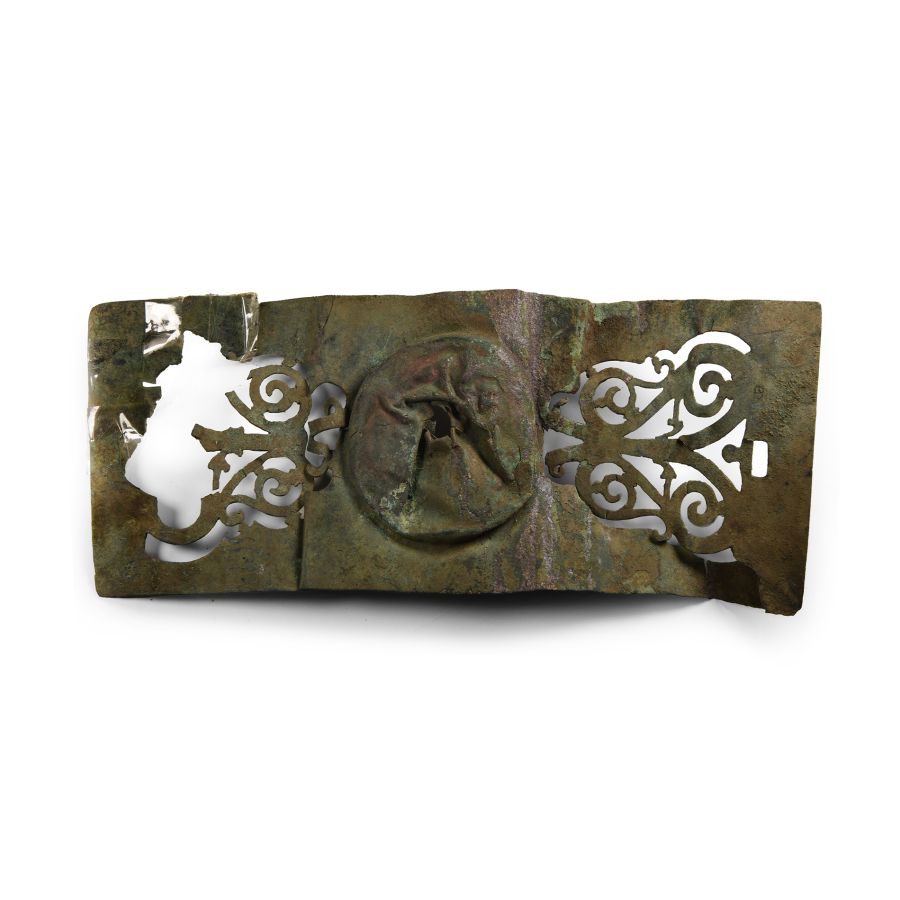
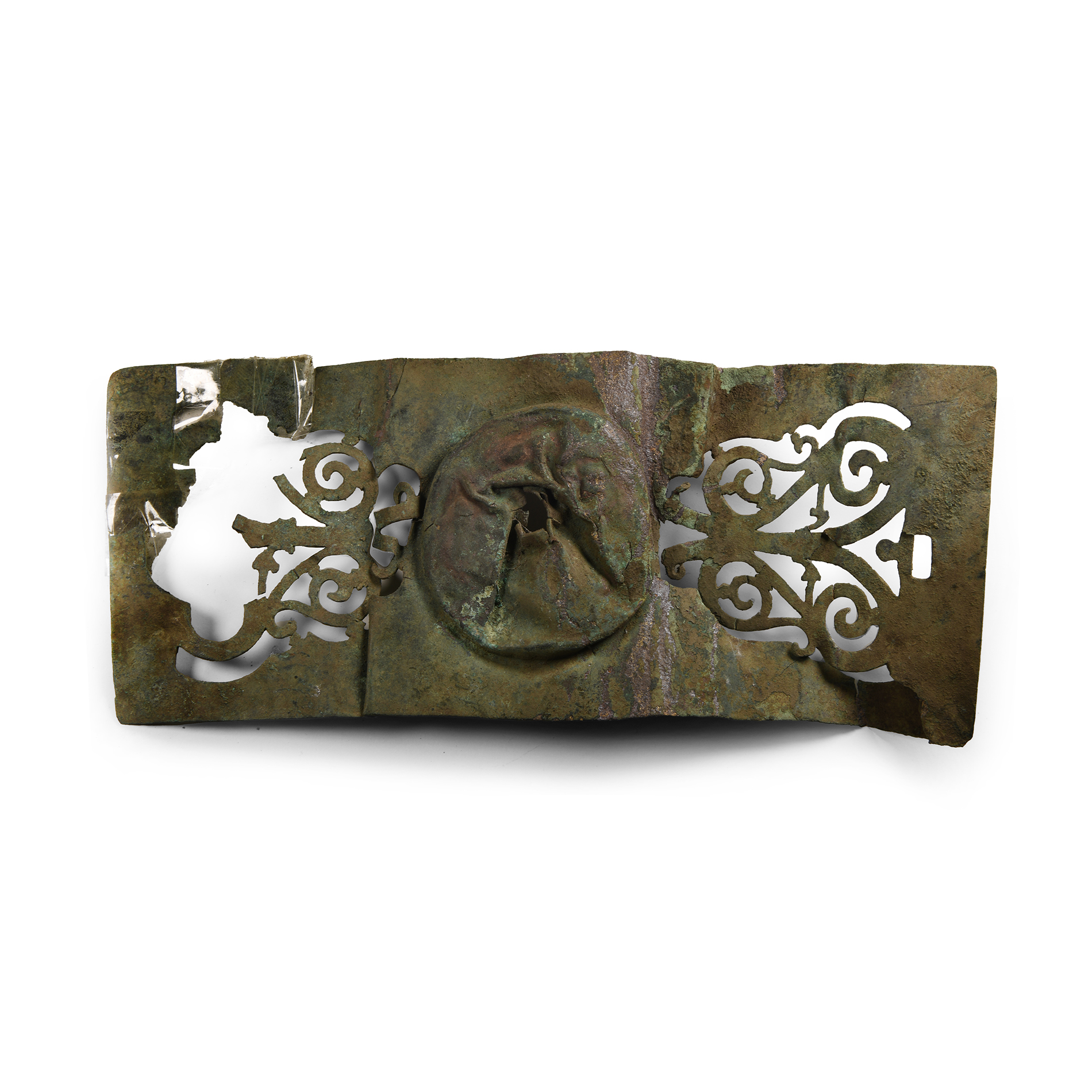
Large Roman Bronze Military Mount
2ND-3RD CENTURY A.D.
5 2/4 in. (69 grams, 14 cm wide).
Composed of a central domed boss and openwork volutes to the sides; for a sword belt or a chariot, one corner separated.
ProvenanceAcquired 1960s-1990s.
Late Alison Barker collection, a retired London barrister.
Cf. for baldric elements Miks, C., Studien zur Romischen Schwertbewaffnung in der Kaiserzeit, I-II Banden, Rahden, 2007, I, fig.62 (openwork plate with heart-shaped terminal); Boube-Piccot, C., Les bronzes antiques de Maroc, III, Les chars et l’attelage, Rabat, 1980, nos.202 (Rabat), 631 (Tanger), for chariot elements.
FootnotesIn 3rd century A.D. the sword (spatha) was mainly carried suspended from a broad baldric usually on the soldier’s left side. This sword’s shoulder belt, visible on many monuments related to the 3rd century, was composed from a leather strap, reinforced on the rims. The four specimens of Vimose provided valuable information about the shape of the baldric: one end was broad and finished in a straight edge, the other tapered to a
narrow strip. They were decorated with silver disks (phalerae) of circa 6.4 cm. of diameter, with rings on the reverse for fastening.
These phalerae were of different shapes, styles and decorations: we can observe a range from simple copper-alloy discs to bronze openwork pieces fitted with a plate or an openwork disc showing elaborate figures. They were usually attached at about 29-30 cm from the wider and squared top of the baldric. One of the finial parts of the baldric was in fact very wide and ended with a straight edge, upon which could be placed a hinged rectangular openwork terminal plate (like our specimen), attached to a belt terminal pendant. The lack, in our specimen, of holes for the attachment rivets could also support the thesis that the piece is not for a baldric, but a mount for cart or chariot as some examples in a similar style found in Roman North Africa.
TimeLine Auctions follows a vetting process to ensure the authenticity and legality of all items, reinforcing our commitment to integrity and responsible trading. Each antiquity, antique, and coin lot undergoes thorough examination by a vetting committee of at least ten external specialists, professional trade association members, scientists, and archaeologists: Our Vetting Process
AUCTIONS:
TimeLine is a leading auction house specialising in antiquities, ancient art, collectables, natural history, coins, medals, and books. Our auctions offer museums, collectors, historians, and enthusiasts the opportunity to acquire unique and historically significant pieces.
LOT 0821
Large Roman Bronze Military Mount
Estimate £120 - 170€140 - 200 (for guidance only)$160 - 230 (for guidance only)
-
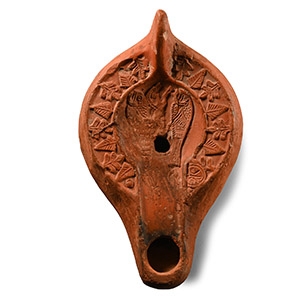
Late Roman Redware Oil Lamp with Boar and Fish
4th-6th century A.D.Sold for (Inc. bp): £117
With broad body, elongated nozzle and lug handle to rear; shoulder with rosette, tree and leaf motifs, discus with running boar between two fish; North African workmanship; repaired. 175 grams, 14 cm
Private collection formed since the 1940s. UK art market. Property of an Essex, UK, gentleman. -
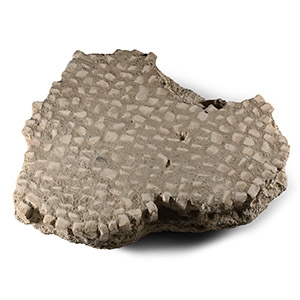
Roman Mosaic Floor Section
1st-4th century A.D.Sold for (Inc. bp): £143
An irregular panel of floor with opus caementicium substrate and white stone tesserae embedded in horizontal rows in the upper layer. 2.2 kg, 20.5 cm
From the collection of a late East Anglian teacher and antiquarian who retired to the Isle of Wight, UK. He amassed a large collection of objects between the 1960s-1980s. -
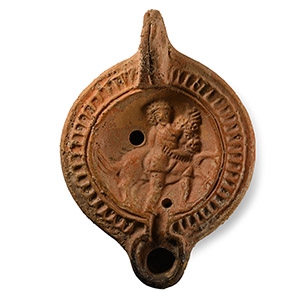
Roman Terracotta Oil Lamp with Tauroctony
2nd century A.D.Sold for (Inc. bp): £468
Squat lamp with broad discus and segmented shoulder, ribbed upper face to nozzle, pierced lug handle; discus with low-relief image of Mithras grappling the bull. 138 grams, 12 cm
From the private collection of Mr K.A., acquired in the 1990s-early 2000s.
