
Loading, please wait...
LOT 0353
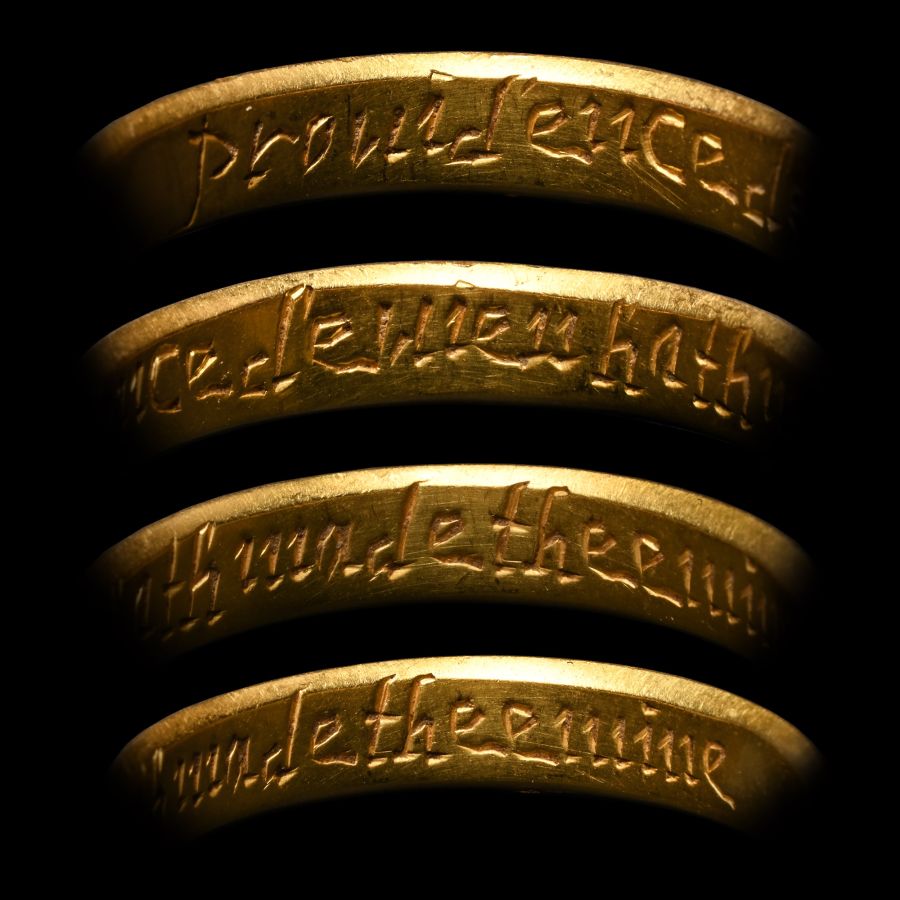
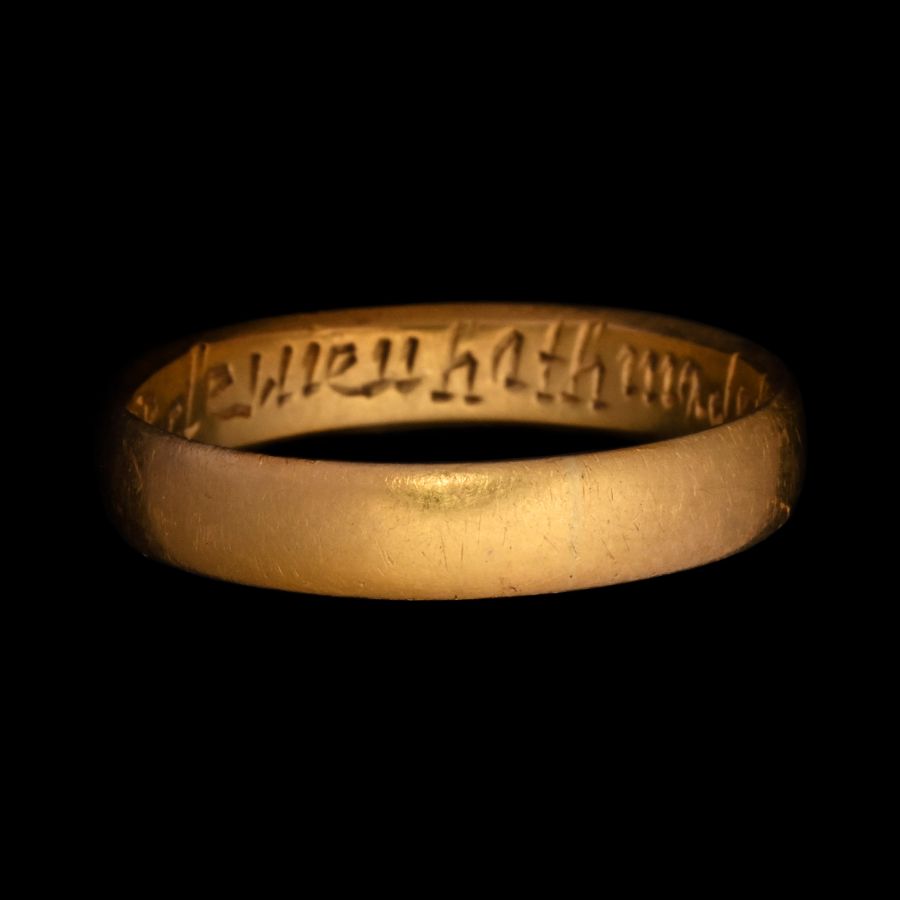
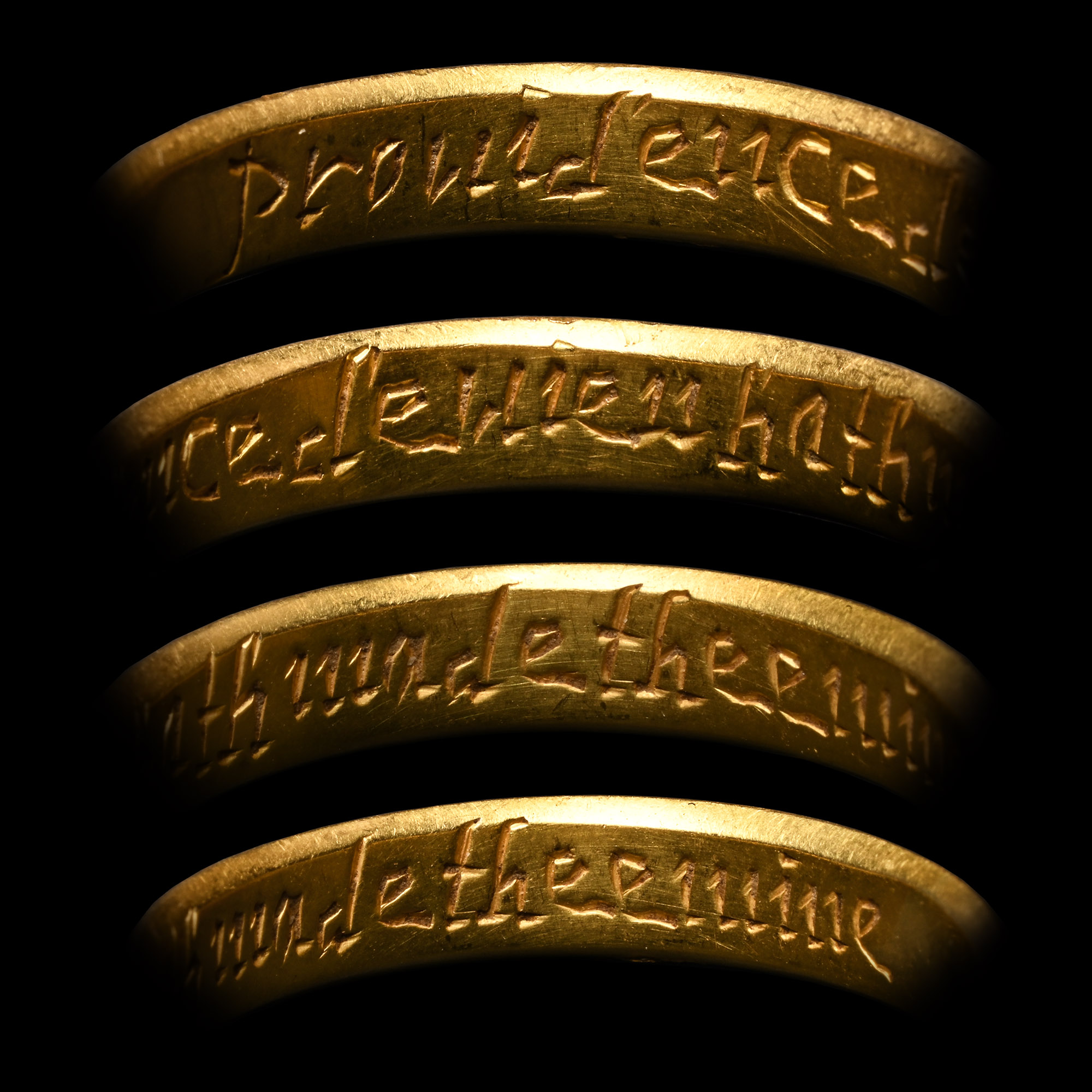
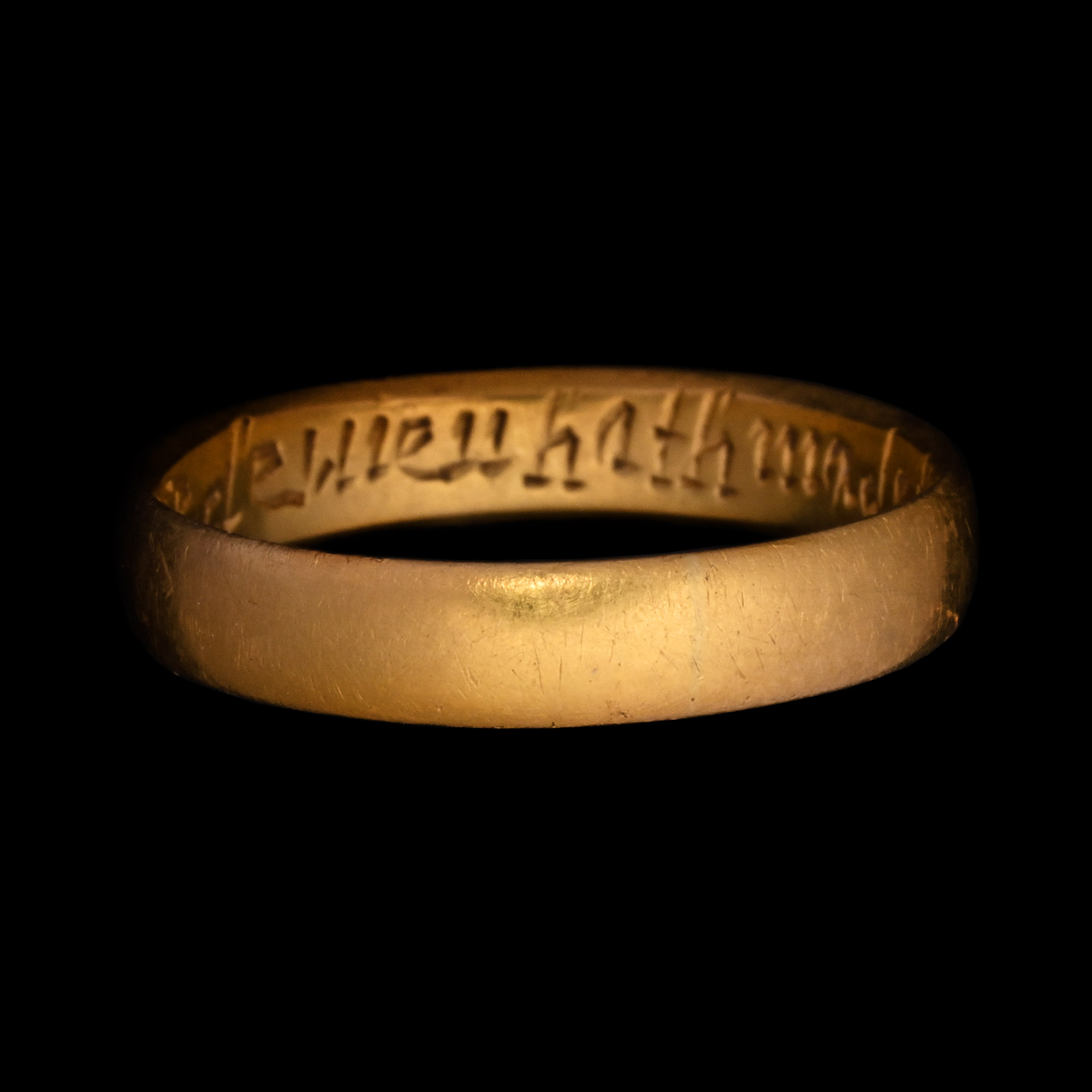
Large Post Medieval 'Providence Divine Hath Made Thee Mine' Gold Posy Ring
CIRCA 18TH CENTURY A.D.
7/8 in. (5.12 grams, 22.51 mm overall, 19.59 mm internal diameter (approximate size British T, USA 9 1/2, Europe 21.26, Japan 20)).
D-shaped in section with minuscule italic inscription to inner face 'prouidence deuien hath made thee mine'.
ProvenanceFrom a collection which predates 1982.
Property of a Somerset collector, UK, since circa 2013.
Cf. similar legend on a gold ring dated to 1600-1650 AD in the Metropolitan Museum of Art under accession no. L.2015.72.48
CONDITIONTimeLine Auctions follows a vetting process to ensure the authenticity and legality of all items, reinforcing our commitment to integrity and responsible trading. Each antiquity, antique, and coin lot undergoes thorough examination by a vetting committee of at least ten external specialists, professional trade association members, scientists, and archaeologists: Our Vetting Process
AUCTIONS:
TimeLine is a leading auction house specialising in antiquities, ancient art, collectables, natural history, coins, medals, and books. Our auctions offer museums, collectors, historians, and enthusiasts the opportunity to acquire unique and historically significant pieces.
LOT 0353
Large Post Medieval 'Providence Divine Hath Made Thee Mine' Gold Posy Ring
Sold for (Inc. bp): £2,080
-
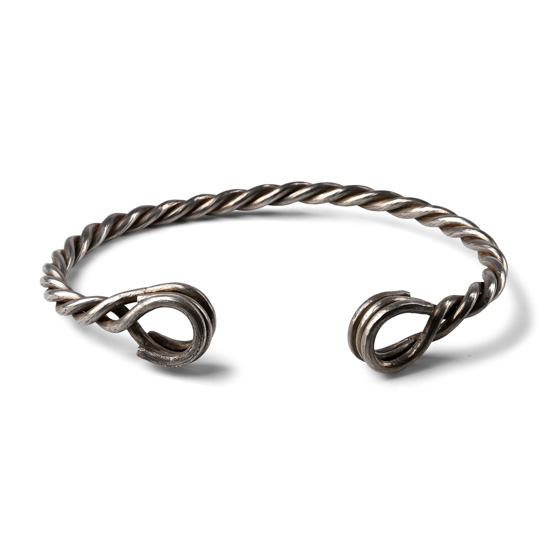
Large Celtic Style Twisted Silver Bar Neck Torc
20th-21st century A.D.Sold for (Inc. bp): £286
The body formed of three round-section bars twisted together, with looped terminals. 460 grams, 21.3 cm
From a British private collection. Ex Lockdales Auctions, Suffolk, UK. -
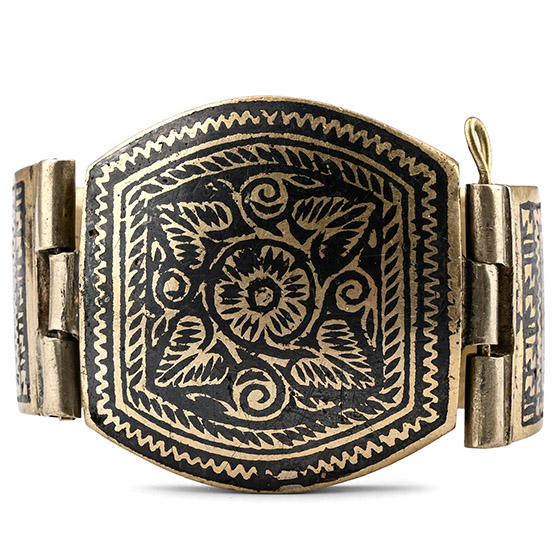
Post Medieval Enamelled Bronze Bracelet
19th-20th century A.D.Sold for (Inc. bp): £33
Comprising a broad band with hinged panel pinned at one edge; running scroll design to median band between hatched bars; floral motif to panel. 118 grams, 63 mm
Ex German art market, 2000s. Acquired from an EU collector living in London. From the collection of a Surrey, UK, gentleman. -
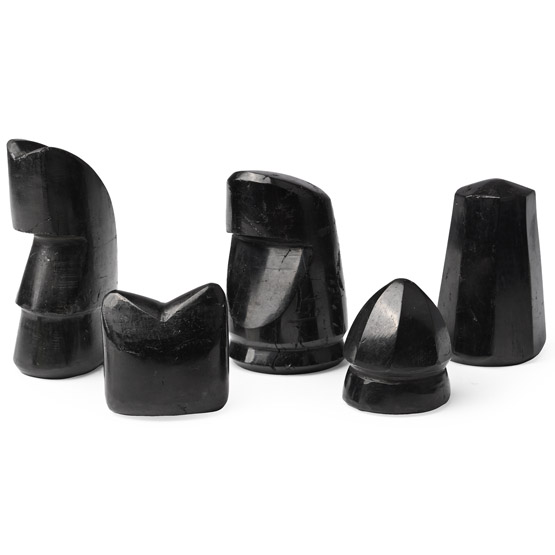
Western Asiatic Style Jet Gaming Piece Group
20th century A.D.Sold for (Inc. bp): £39
Of stylised design, many with faceting in plan and other features. 260 grams total, 38-77 mm
Private collection, UK.
