
Loading, please wait...
_900x900.jpg "Large Post Medieval Merchant’s Seal Ring Engraved with 'BG' and Shield")
_200x200.jpg "Large Post Medieval Merchant’s Seal Ring Engraved with 'BG' and Shield")
.jpg "Large Post Medieval Merchant’s Seal Ring Engraved with 'BG' and Shield")
LOT 0352
Large Post Medieval Merchant’s Seal Ring Engraved with 'BG' and Shield
GERMANY, 16TH CENTURY A.D.
1 1/8 in. (20.03 grams, 28.33 mm overall, 23.00 x 18.47 mm internal diameter (approximate size British T 1/2, USA 9 3/4, Europe 21.89, Japan 21)).
Engraved with the owner's initials ‘B G’ above a tilting shield with flanche; merchant's mark motif of capital 'A' and a cross.
ProvenancePrivate collection, Europe.
Acquired on the English art market.
This lot has been checked against the Interpol Database of stolen works of art and is accompanied by a search certificate number no.13051-248349.
Similar examples in The Victoria and Albert Museum, accession numbers: M.223-1975, 717-1871 and M.341-1975; The British Museum, registration number: 1872,0604.391.
FootnotesMerchants' marks were chosen by their owners as a form of personal cypher, and so it is almost impossible to decipher the owner of many merchants' marks, as they were not governed by the strict regulation and recording that heraldry laws dictated. Merchants' rings were engraved with geometric symbols used to mark their goods or personal belongings and used instead of a coat of arms for those not entitled to them. Most merchants in the sixteenth and seventeenth centuries had marks, easily identifiable and formed with a few strokes. Many such rings also bear religious or talismanic inscriptions or imagery, combining a spiritual with a commercial function. The shape of the shield on this example draws direct parallels to the heraldic shields and jewels of this period in Germany.
CONDITIONTimeLine Auctions follows a vetting process to ensure the authenticity and legality of all items, reinforcing our commitment to integrity and responsible trading. Each antiquity, antique, and coin lot undergoes thorough examination by a vetting committee of at least ten external specialists, professional trade association members, scientists, and archaeologists: Our Vetting Process
AUCTIONS:
TimeLine is a leading auction house specialising in antiquities, ancient art, collectables, natural history, coins, medals, and books. Our auctions offer museums, collectors, historians, and enthusiasts the opportunity to acquire unique and historically significant pieces.
LOT 0352
Large Post Medieval Merchant’s Seal Ring Engraved with 'BG' and Shield
Sold for (Inc. bp): £12,350
-
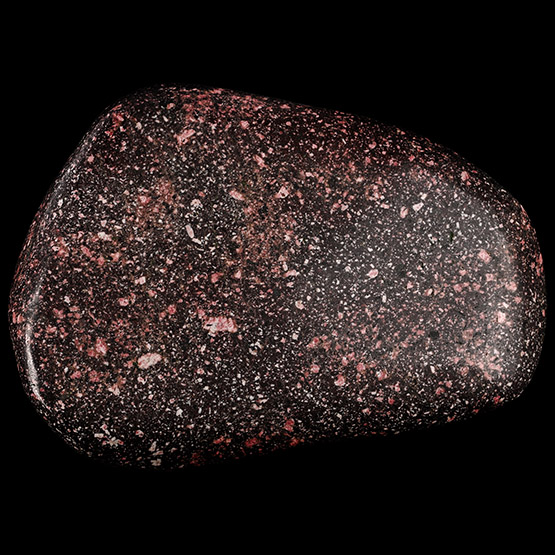
Polished Imperial Porphyry Specimen from the Grand Tour
Late 19th-early 20th century A.D.Sold for (Inc. bp): £845
Irregular piriform block with polished surface, one flat face. 3.12 kg, 21.9 cm
Ex Robert Evans collection, circa 2000. From the private collection of a Somerset gentleman. -
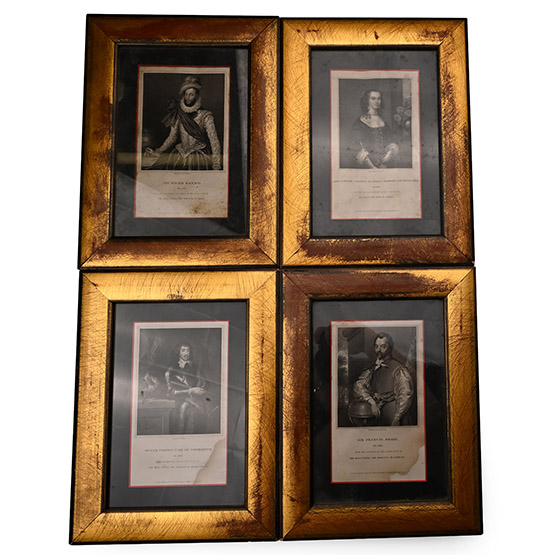
Gilt Framed Set of Historical Prints
19th century A.D.Sold for (Inc. bp): £13
A set of four framed and glazed historical prints: Sir Francis Drake, engraved by S. Freeman, published London, 1829, by Harding & Lepard; Sir Walter Raleigh, engraved by H. Robinson, published London, 1829, by Harding & Lepard; Spencer Compton, engraved by H. Robinson, published London, 1834, by Harding & Lepard; Anne Clifford, Countess of Dorset, engraved by H.T. Ryall, published London, 1830, by Harding & Lepard. 2.3 kg total, 32.5 x 24.5 cm each
Fair to fine condition.
Property of a North London, UK, gentleman. From the private collection of John Meredith, acquired since the 1990s; thence by descent. -
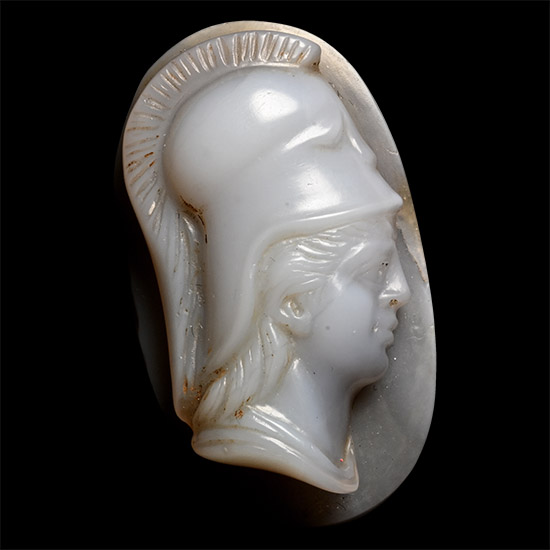
Post-Classical Agate Cameo with the Goddess Minerva
18th-19th century A.D.Estimate: £1,000 - 1,400 (+bp*)
Opening Bid: £500
Ellipsoid in plan with helmetted bust of Minerva; deep undercuts to the edges. 12.3 grams, 35 mm
with Hindmann, Chicago, 21 March 2023, no.221. Private collection, England.
