
Loading, please wait...
LOT 1958
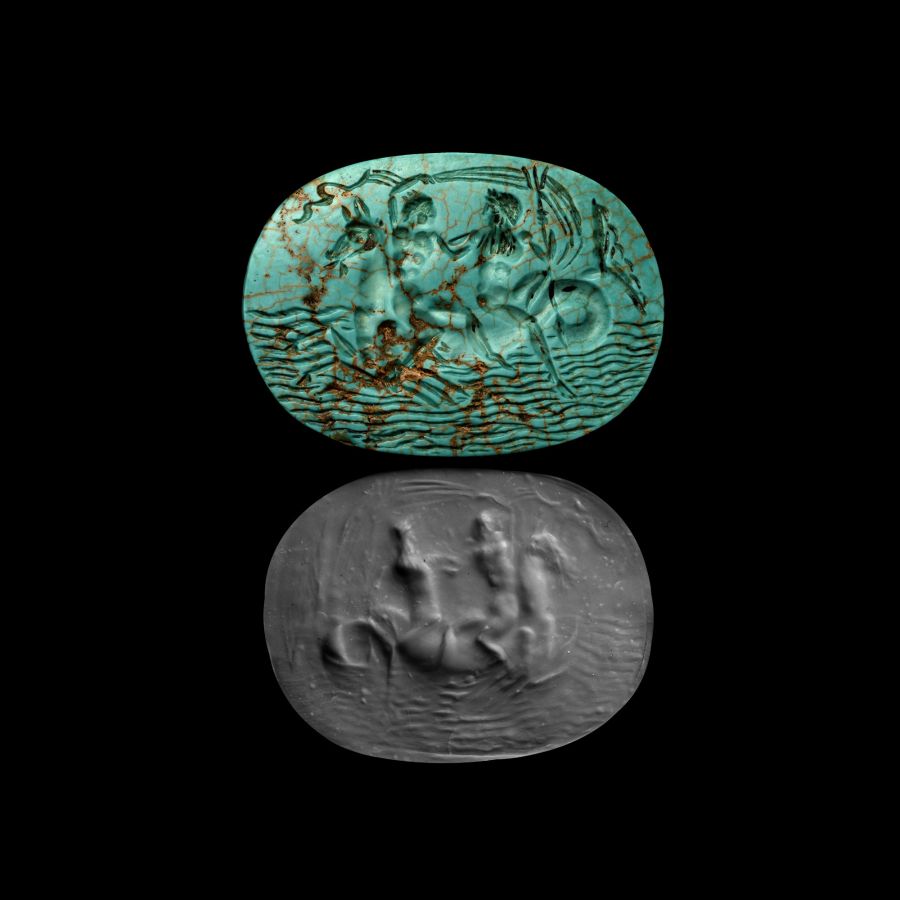
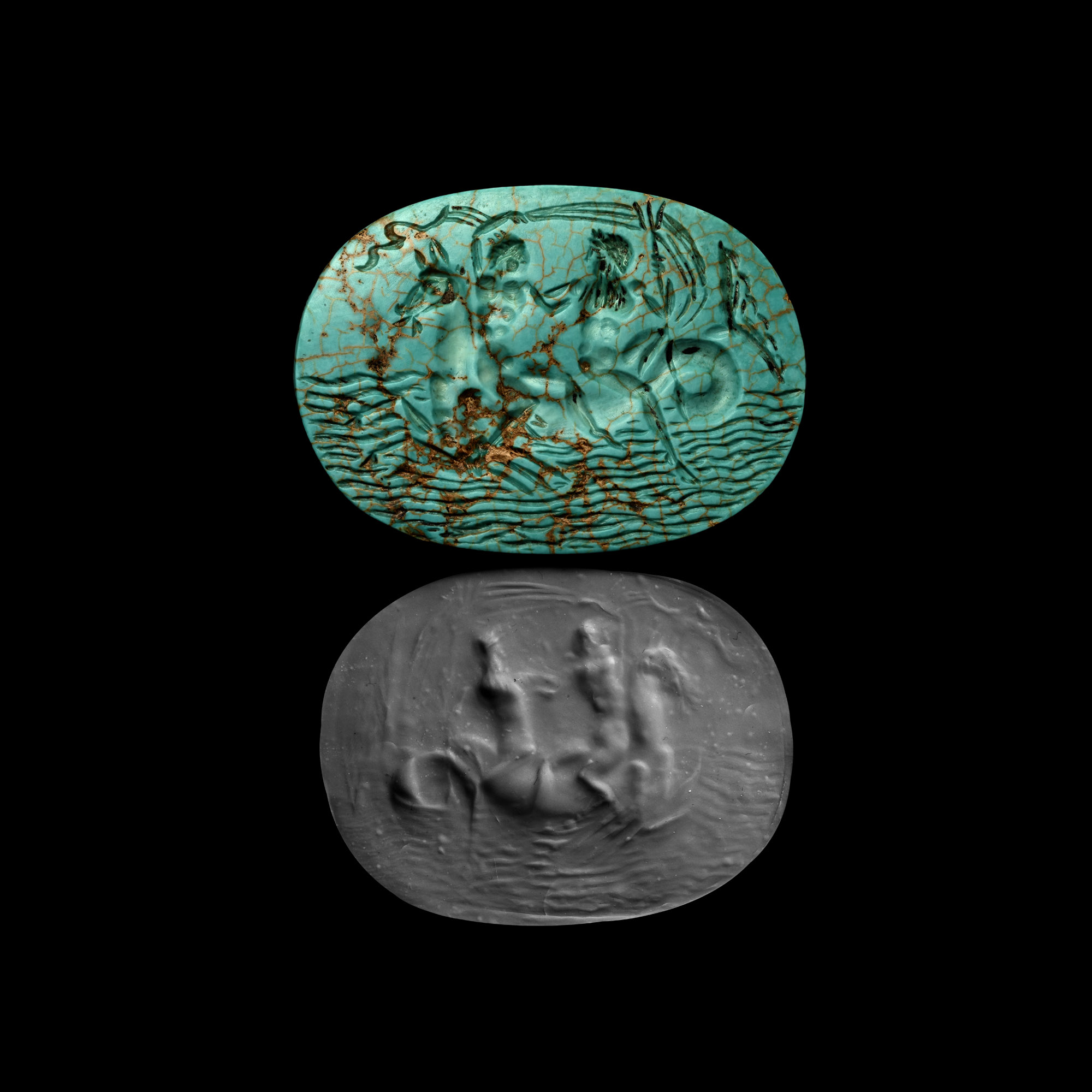
Large Post-Classical Turquoise Gemstone with Mythological Scene of Poseidon with Amphitrite on Seahorse
19TH CENTURY A.D. OR EARLIER
1 5/8 in. (13.05 grams, 41 mm).
Ellipsoid with intaglio scene of a hippocamp in profile with coiled tail on an aquatic background supporting two seated figures, Poseidon and Amphitrite; billowing sail or banner above; supplied with a museum-quality impression.
ProvenancePrivate collection, England.
CONDITIONTimeLine Auctions follows a vetting process to ensure the authenticity and legality of all items, reinforcing our commitment to integrity and responsible trading. Each antiquity, antique, and coin lot undergoes thorough examination by a vetting committee of at least ten external specialists, professional trade association members, scientists, and archaeologists: Our Vetting Process
AUCTIONS:
TimeLine is a leading auction house specialising in antiquities, ancient art, collectables, natural history, coins, medals, and books. Our auctions offer museums, collectors, historians, and enthusiasts the opportunity to acquire unique and historically significant pieces.
LOT 1958
Large Post-Classical Turquoise Gemstone with Mythological Scene of Poseidon with Amphitrite on Seahorse
Estimate £500 - 700€580 - 810 (for guidance only)$680 - 950 (for guidance only)
-
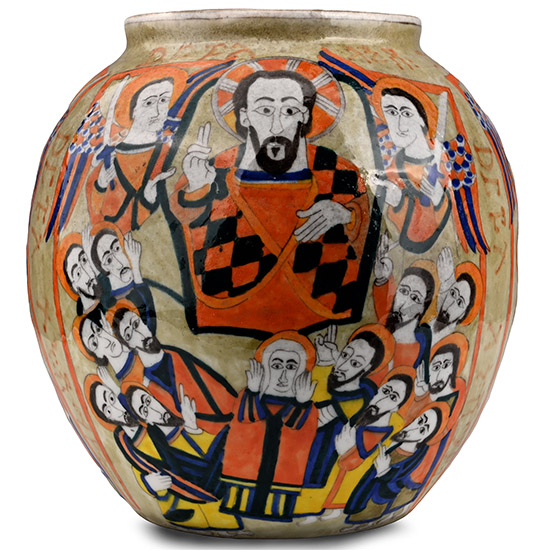
Large Armenian Glazed Ceramic Storage Vessel with Religious Scenes
Late 20th-21st century A.D.Sold for (Inc. bp): £98
Bulbous in profile with raised rim, three iterations of a scene depicting a central nimbate Jesus with right hand raised flanked by two nimabate winged angels with a sword held aloft, twelve disciples blow and nimbate Mary beneath; lustrous finish with text between the panels. 2.18 kg, 23.2 cm
Private collection, UK. -
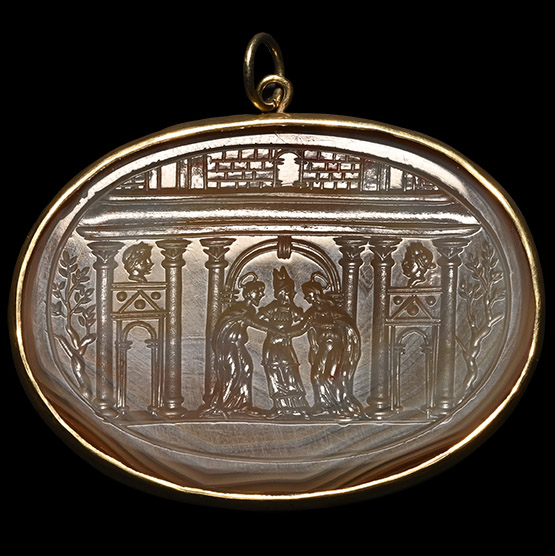
Large Agate Gemstone with the Marriage of the Virgin
Italy, Late 17th century A.D.Sold for (Inc. bp): £1,859
Plaque with narrow border enclosing a figural scene with a colonnade and façade flanked by olive trees; central arch with two nimbate and robed figures clasping hands with a third figure behind them wearing a headdress; set in a gold frame with suspension loop; supplied with a museum-quality impression. 19.61 grams, 54 mm
Private collection, Europe. Acquired on the French art market.
The subject is the marriage ceremony between Mary, 'the Virgin', and Joseph. -
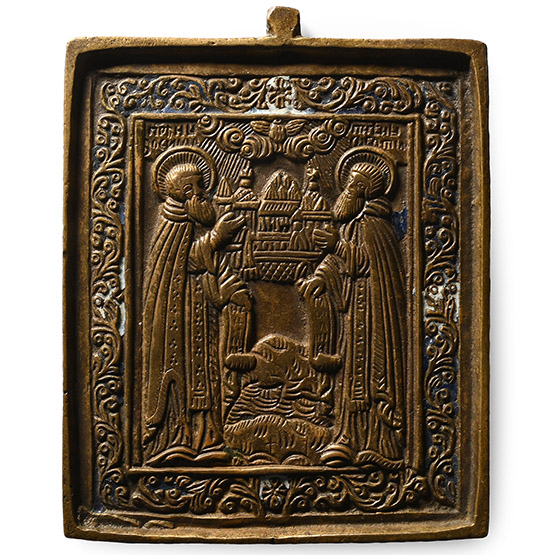
Russian Orthodox Enamelled Bronze Travel Icon with Saints Zosima and Sabbas
Circa 1820 A.D.Estimate: £100 - 140 (+bp*)
Opening Bid: £54
Depicting Saint Zosima and Saint Sabbas in front of the Solovetsky Monastery, both nimbate and dressed in the Abbot’s garments, holding the model of the monastery offered to God, represented in the sky as a dove upon a cloud; arabesque frame; inscriptions in Old Slavonic with the names of the saints. 108 grams, 88 mm
Acquired from Chris Martin-Zakheim, Iconastas, 5 Piccadilly Arcade, London SW1. From the private collection of a West London, UK, gentleman, formed since the early 2000s.
Saints Zosima and Sabbas or Sabbatius were highly venerated Orthodox saints, founders of the Solovetsky Monastery, a fortified monastery located in the White Sea in Northern Russia. This double portrait shows Zosima and Sabbas holding up a model of their religious institution, which resembles a small medieval city. Solovetsky Monastery obtained big investments from the city of Novgorod and established itself as one of the richest monasteries in Russia.
