
Loading, please wait...
LOT 3104
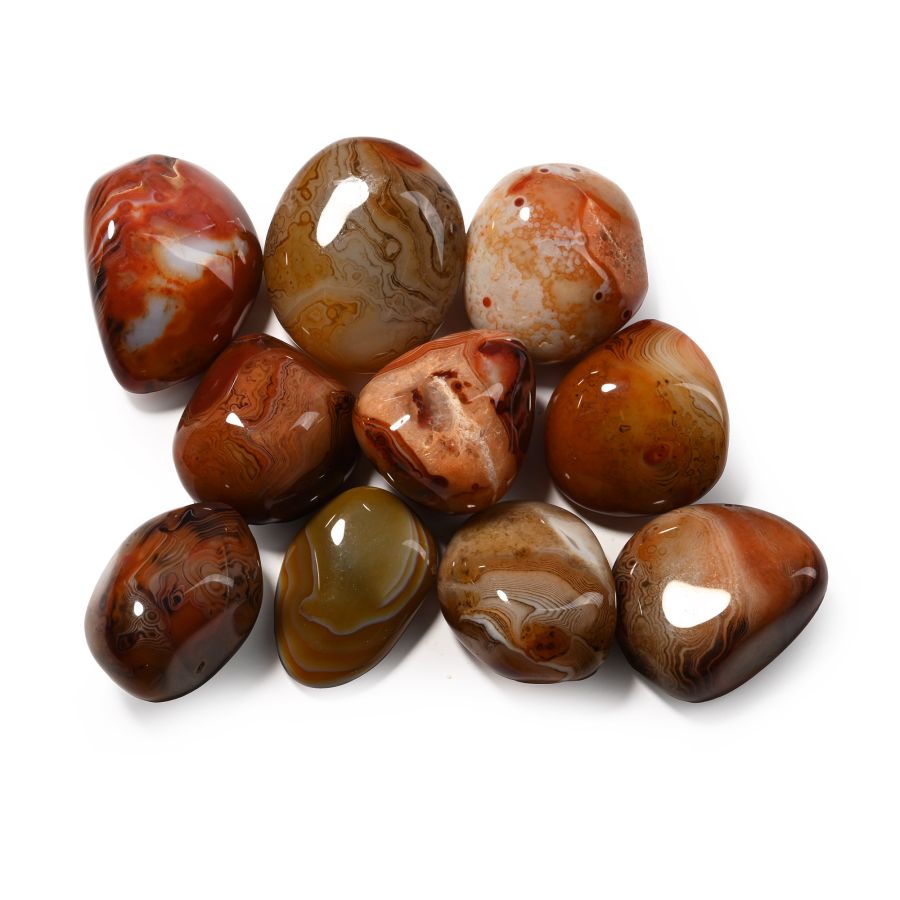
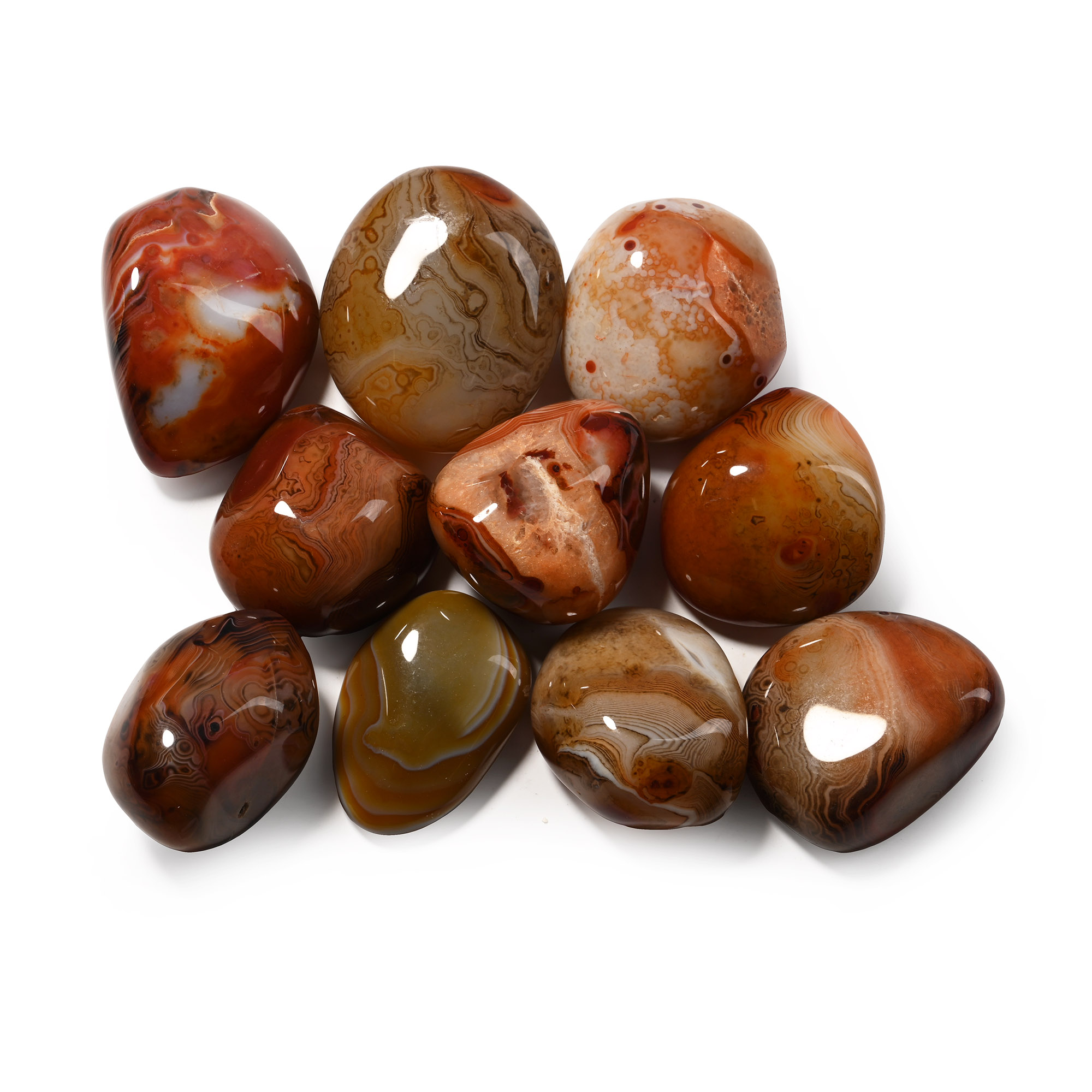
Large Polished Banded Agate Pebble Collection
1 7/8 - 2 5/8 in. (1.04 kg total, 48-66 mm).
Irregular polished pebbles, many with linear swirls. [10, No Reserve]
ProvenanceFrom Brazil.
Property of a Bristol, UK, gentleman collector.
TimeLine Auctions follows a vetting process to ensure the authenticity and legality of all items, reinforcing our commitment to integrity and responsible trading. Each antiquity, antique, and coin lot undergoes thorough examination by a vetting committee of at least ten external specialists, professional trade association members, scientists, and archaeologists: Our Vetting Process
AUCTIONS:
TimeLine is a leading auction house specialising in antiquities, ancient art, collectables, natural history, coins, medals, and books. Our auctions offer museums, collectors, historians, and enthusiasts the opportunity to acquire unique and historically significant pieces.
LOT 3104
Large Polished Banded Agate Pebble Collection
Estimate £50 - 70€58 - 81 (for guidance only)$68 - 95 (for guidance only)
Opening Bid
£5 (EUR 6; USD 7) +BP*
-
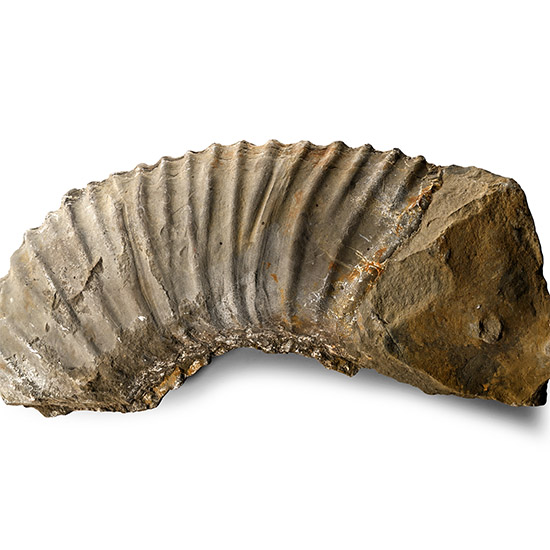
Large British Fossil Ammonite Section
Jurassic Period, circa 200 million years B.P.Estimate: £30 - 40 (+bp*)
Opening Bid: £5
Section of the ribbed body of an ammonite showing raised ribs on both sides. 1.5 kg, 26.5 cm
Acquired on the UK art market. Property of an Essex, UK, gentleman. -
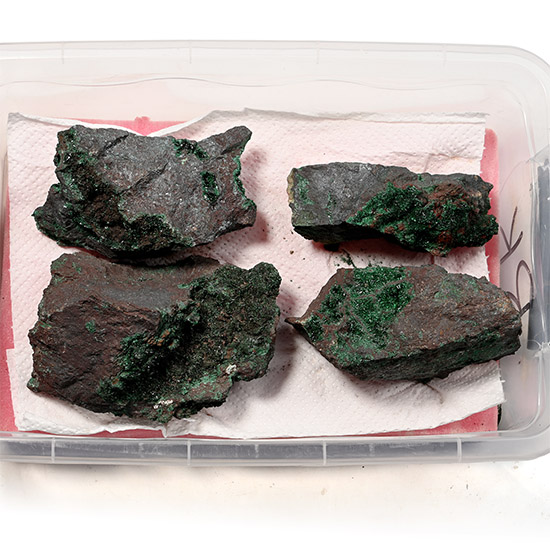
Malachite Crystal Collection
Estimate: £60 - 80 (+bp*)
Opening Bid: £5
Group of crystals displaying deep bottle-green lustre. 2.23 kg total, 10.5-11.6 cm
From Morocco, North Africa. Property of a Bristol, UK, gentleman collector. -
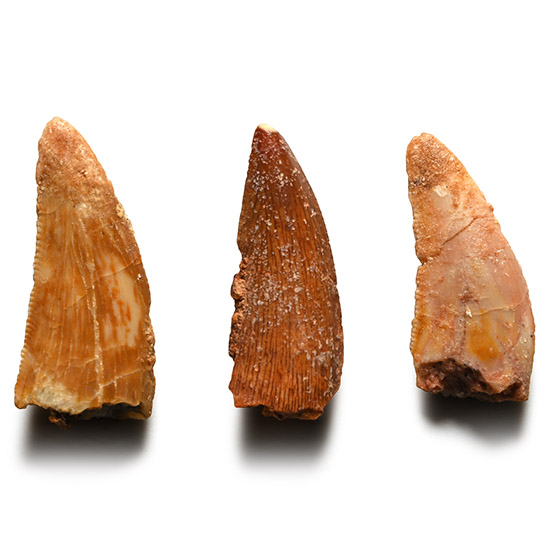
Juvenile Abelisaurid Dinosaur Fossil Tooth Group
Cretaceous Period, circa 145-66 million years B.P.Estimate: £100 - 140 (+bp*)
Opening Bid: £5
Comprising three teeth displaying light brown enamel and some serrations on the narrow, curving edges. 1.66 grams total, 16-19 mm
From a Gloucestershire, UK, fossil specialist. From a West London gentleman collector.
Abelisauridae were carnivorous theropods with small forelimbs and strong hind legs that thrived during the Cretaceous Period.
