
Loading, please wait...


LOT 2757
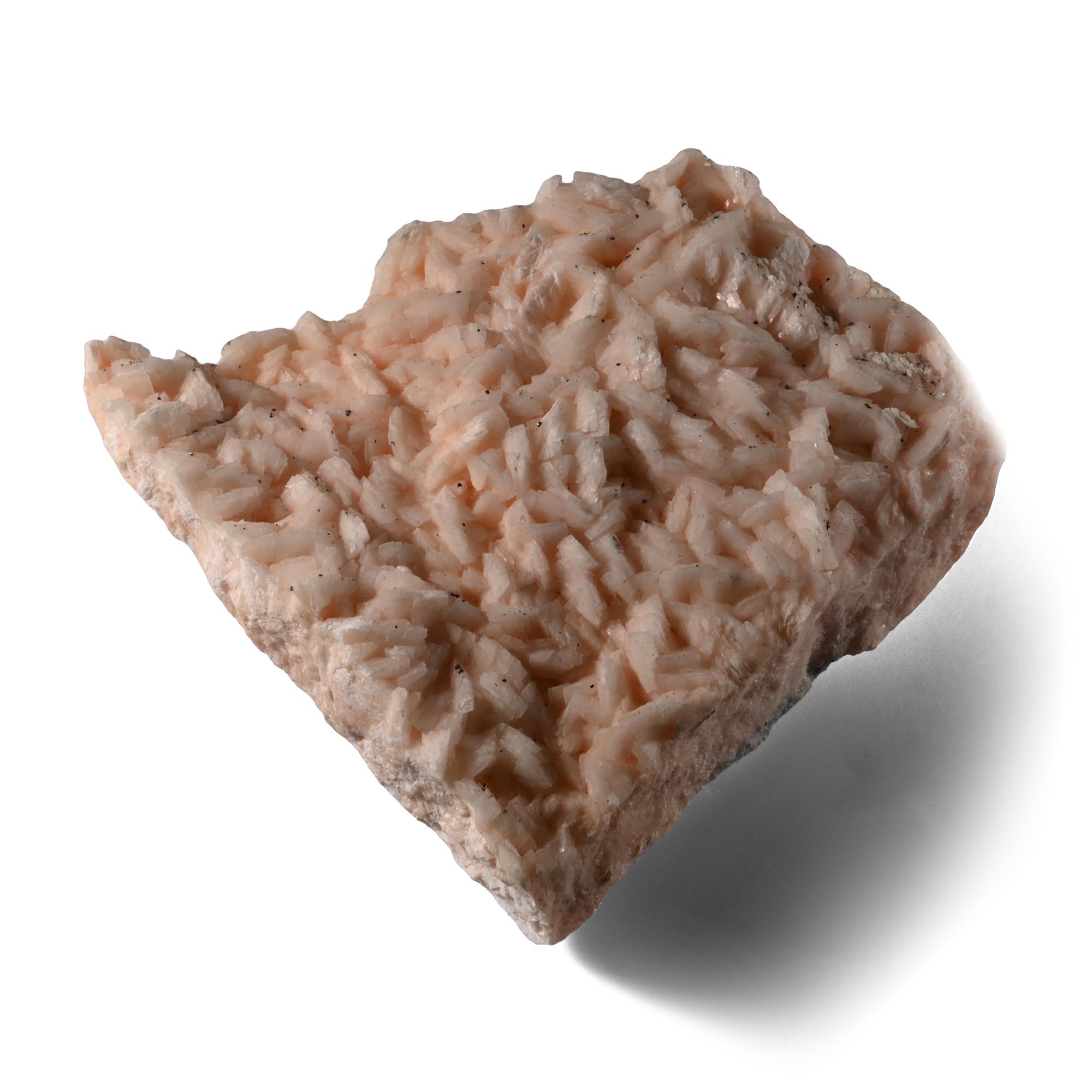
Large Pink Dolomite Crystal Display Slab
5 3/8 in. (1.05 kg, 13.6 cm).
An irregular slab of light pink crystals with dusting of marcasite. [No Reserve]
ProvenanceEx Mineral Imports, London, UK.
Gregory, Bottley & Lloyd (Gregory's), Harwich, UK.
TimeLine Auctions follows a vetting process to ensure the authenticity and legality of all items, reinforcing our commitment to integrity and responsible trading. Each antiquity, antique, and coin lot undergoes thorough examination by a vetting committee of at least ten external specialists, professional trade association members, scientists, and archaeologists: Our Vetting Process
AUCTIONS:
TimeLine is a leading auction house specialising in antiquities, ancient art, collectables, natural history, coins, medals, and books. Our auctions offer museums, collectors, historians, and enthusiasts the opportunity to acquire unique and historically significant pieces.
-
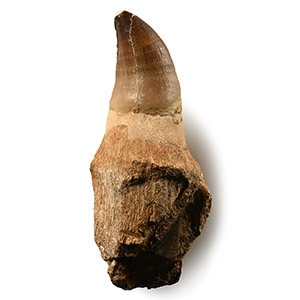
Mosasaur 'Marine Dinosaur' Fossil Tooth with Root
Cretaceous Period, circa 145-65 million years B.P.Sold for (Inc. bp): £111
A large Mosasaur prognathodon sp. tooth with some root, fragment of a second tooth beneath the root. 125 grams, 10.4 cm
From a Cambridgeshire, UK, collection. -
![Pyrite Crystal Chunk Group [100]](https://timelineauctions.com/upload/images/items/small/227948-s.jpg)
Pyrite Crystal Chunk Group [100]
Sold for (Inc. bp): £7
Comprising one hundred variously sized chunks. 1.41 kg total, 18-32 mm
From Peru. Ex Mineral Imports, London, UK. Gregory, Bottley & Lloyd (Gregory's), Harwich, UK. -
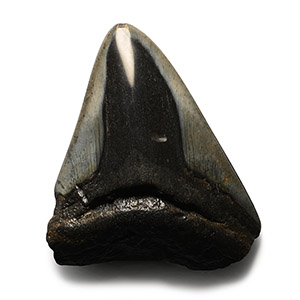
Fossil Megalodon Giant Shark's Tooth
Pliocene Period, 5.2-2.5 million years B.P.Sold for (Inc. bp): £195
A Carcharocles megalodon tooth displaying some enamel. 46 grams, 67 mm
From Morocco, North Africa. Property of an Essex, UK, gentleman.
Carcharodon megalodon is regarded as one of the largest and most powerful marine predators in vertebrate history and likely had a profound impact on structuring of the marine communities. Fossil remains indicate that this giant shark reached a length of more than 16 metres (52 ft) and also affirm that it had a cosmopolitan distribution. Scientists suggest that in life it looked like a stockier version of the great white shark, Carcharodon carcharias.
