
Loading, please wait...


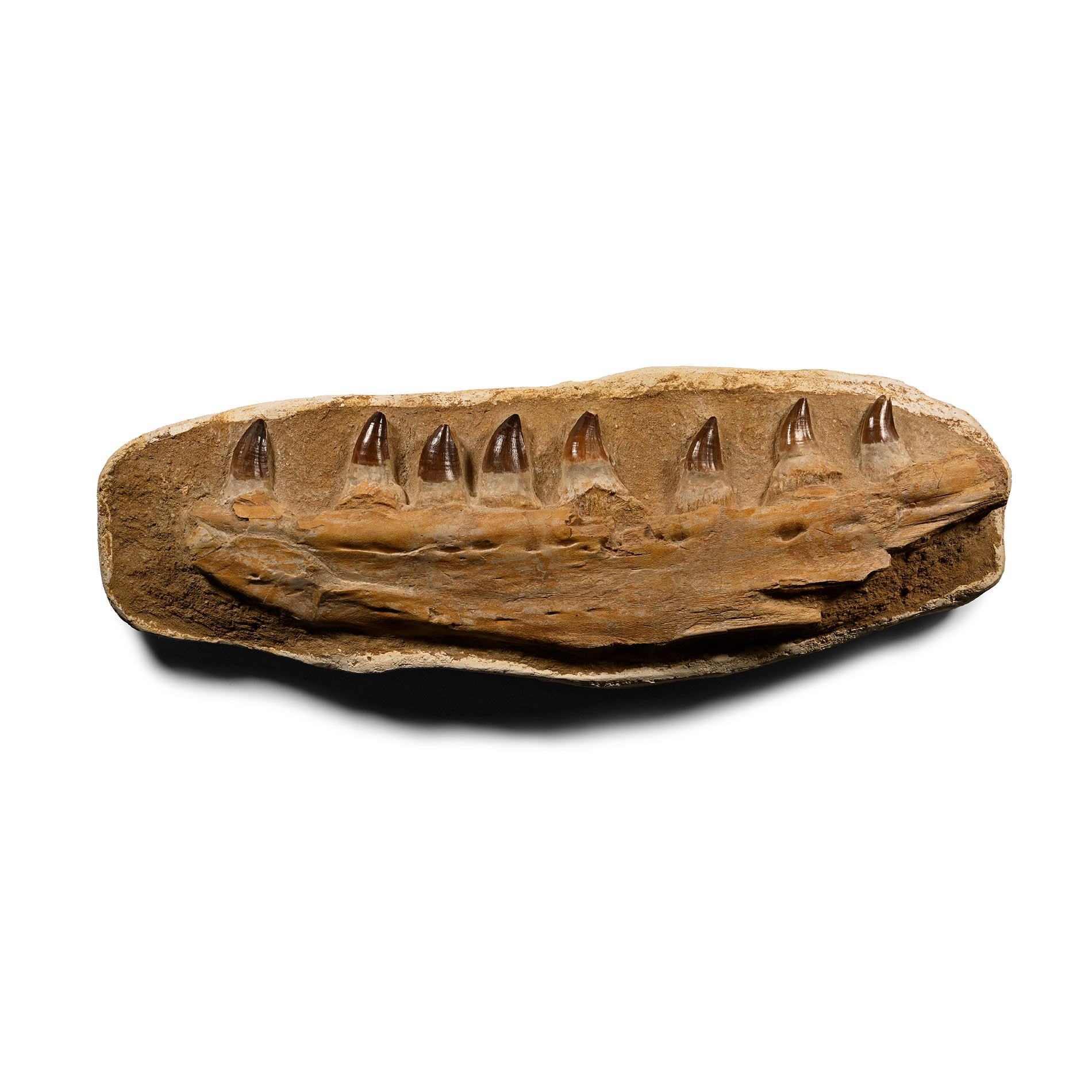
LOT 0441
Large Mosasaur 'Marine Dinosaur' Jaw Fragment
CRETACEOUS PERIOD, 145-65 MILLION YEARS B.P.
23 1/4 in. (7.45 kg, 59 cm).
Comprising a large jaw fragment with eight teeth, mounted on a sedimentary matrix wrapped in a plaster field jacket.
ProvenanceFrom a Cambridgeshire, UK, collection.
FootnotesMosasaurs (from the Greek for 'lizard') were aquatic dinosaurs which probably gave birth to live young.
CONDITIONTimeLine Auctions follows a vetting process to ensure the authenticity and legality of all items, reinforcing our commitment to integrity and responsible trading. Each antiquity, antique, and coin lot undergoes thorough examination by a vetting committee of at least ten external specialists, professional trade association members, scientists, and archaeologists: Our Vetting Process
AUCTIONS:
TimeLine is a leading auction house specialising in antiquities, ancient art, collectables, natural history, coins, medals, and books. Our auctions offer museums, collectors, historians, and enthusiasts the opportunity to acquire unique and historically significant pieces.
-
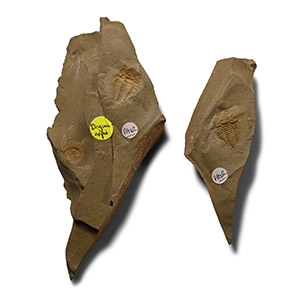
Fossil Daguinaspis Trilobite
Cambrian Period, circa 539-485 million years B.P.Sold for (Inc. bp): £13
Comprising two matrices, one with Daguinaspis ambrogi fossil and the other containing a negative impression of a fossil. 124 grams total, 94 - 131 mm
From a Cambridgeshire, UK, collection. -
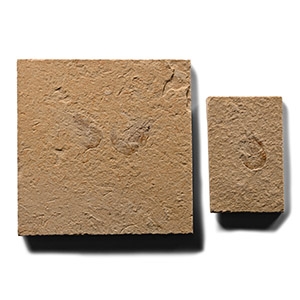
Fossil Shrimp in Matrix Group
Cretaceous Period, circa 145-65 million years B.P.Sold for (Inc. bp): £72
Comprising two rectangular matrices, one with a pair of Carpopenaeus sp. specimens, and one with a single Carpopenaeus sp. specimen and a small Knightia alta specimen to the reverse. 275 grams total, 66-98 mm
From Lebanon. From a Cambridgeshire, UK, collection. -

Large Fossil Clavilithes Gastropod
Eocene Period, circa 40 million years B.P.Sold for (Inc. bp): £59
Clavilithes macrospira; supplied in a cardboard specimen tray. 180 grams, 13 cm
From Barton-on-Sea, Hampshire, UK. Collected between 1930 and 1960. From the collection of the palaeontologist R Gledhill.
