
Loading, please wait...


LOT 2505
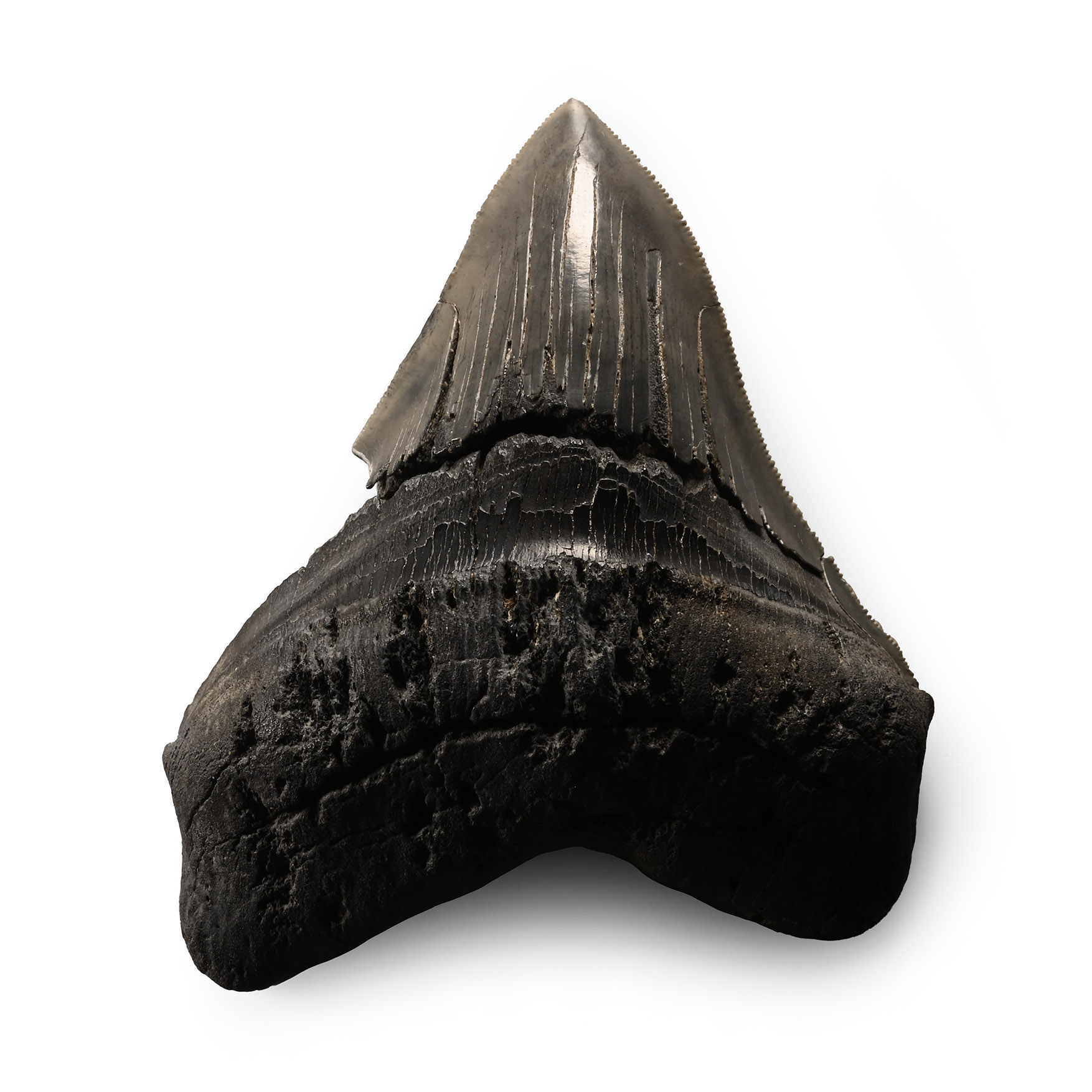
Large Megalodon Giant Shark Fossil Tooth
PLIOCENE PERIOD, 5.2-2.5 MILLION YEARS B.P.
4 in. (230 grams, 10.4 cm).
From Carcharocles megalodon showing sharp serrations. [No Reserve]
ProvenanceAcquired on the UK art market before 2000.
Property of an Essex, UK, gentleman.
TimeLine Auctions follows a vetting process to ensure the authenticity and legality of all items, reinforcing our commitment to integrity and responsible trading. Each antiquity, antique, and coin lot undergoes thorough examination by a vetting committee of at least ten external specialists, professional trade association members, scientists, and archaeologists: Our Vetting Process
AUCTIONS:
TimeLine is a leading auction house specialising in antiquities, ancient art, collectables, natural history, coins, medals, and books. Our auctions offer museums, collectors, historians, and enthusiasts the opportunity to acquire unique and historically significant pieces.
-
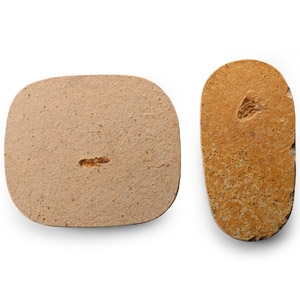
Fossil Grasshopper Pair
Cretaceous Period, 108-92 million years B.P.Sold for (Inc. bp): £7
Comprising two specimens on individual matrices. 186 grams total, 85-89 mm
From Brazil. From a Lincolnshire, UK, collection. -
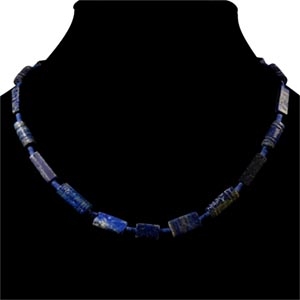
Lapis Lazuli Bead Necklace String
Sold for (Inc. bp): £33
Composed of alternating tabular and collared cylindrical beads, interspersed with small cylindrical beads; restrung. 27 grams, 41.7 cm
Ex London art market. Property of a North London, UK, gentleman. -
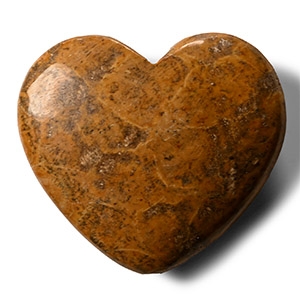
Polished Fossil Coral Head Palm Stone
Devonian Period, circa 417-354 million years B.P.Sold for (Inc. bp): £26
Cut to a heart shape and polished to reveal the internal structure. 101 grams, 66 mm
From a Cambridgeshire, UK, collection.
