
Loading, please wait...
LOT 1618
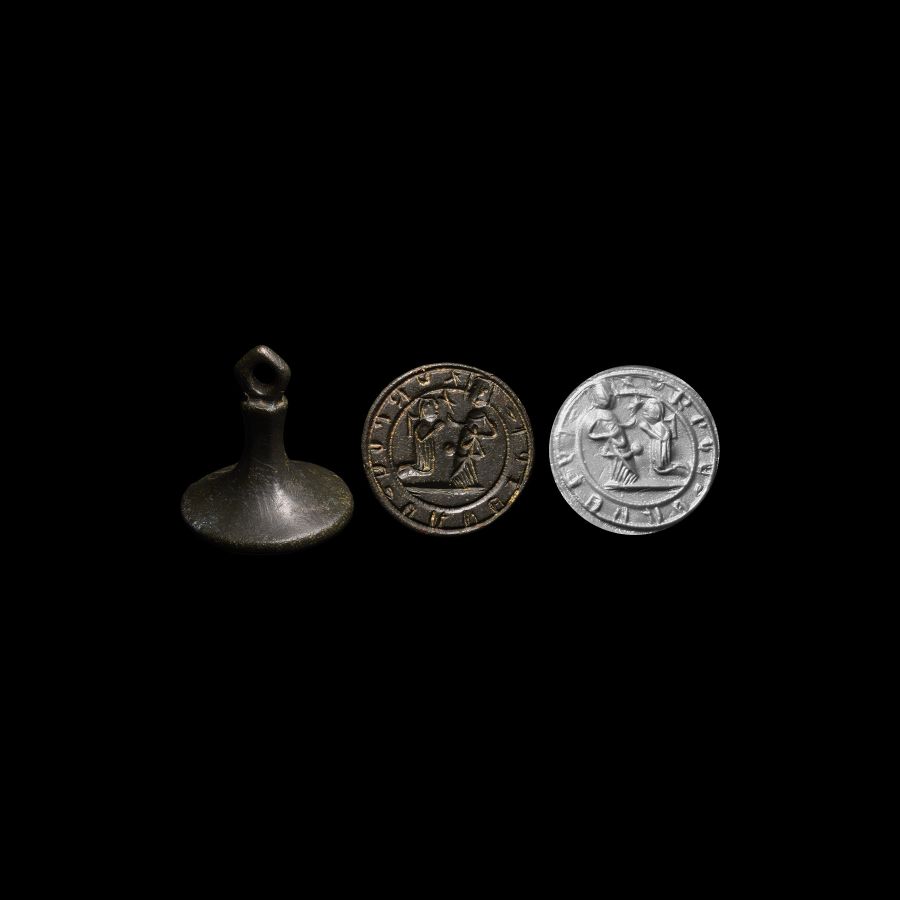
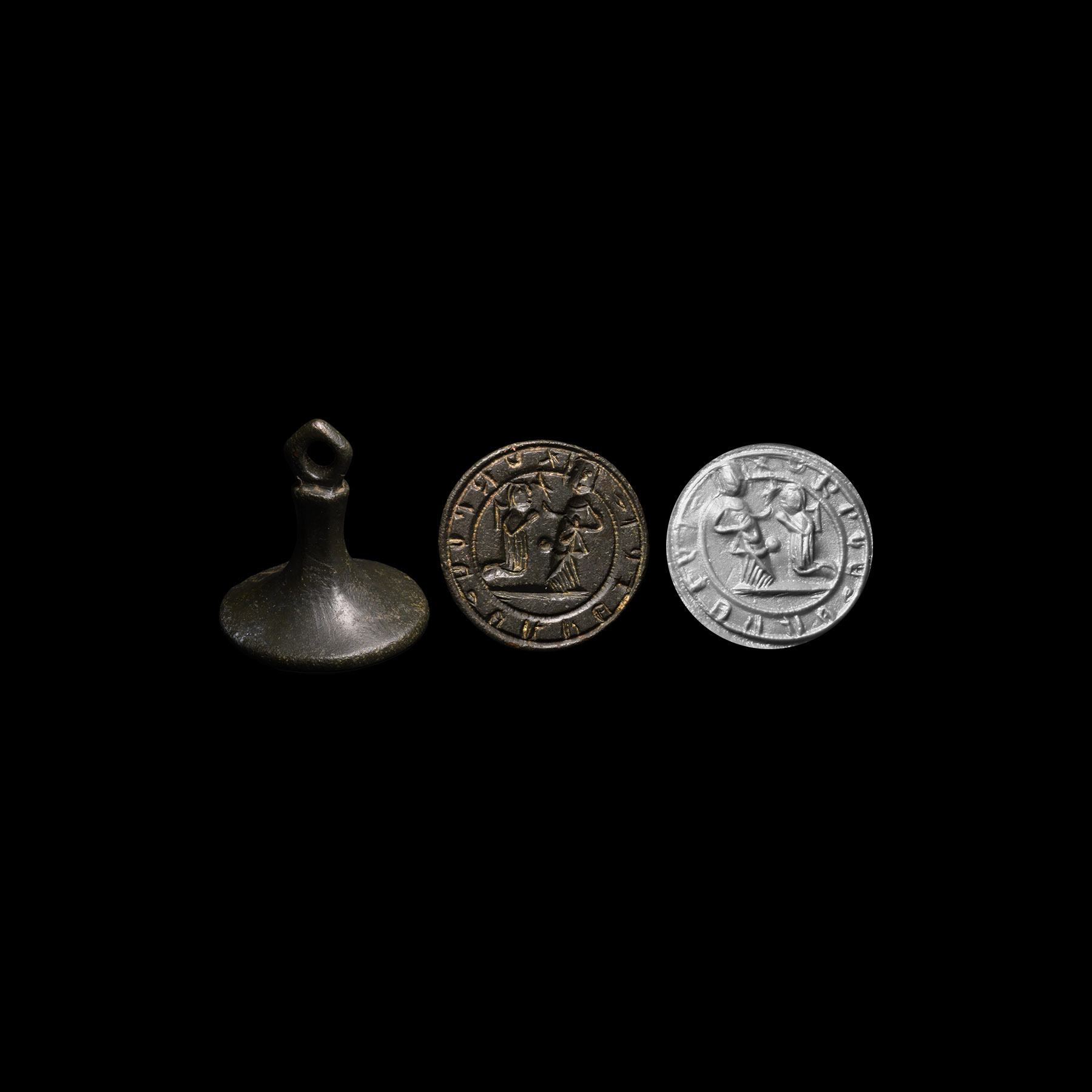
Large Medieval Bronze Seal Matrix with Scene Showing Robed Figures
14TH-15TH CENTURY A.D.
1 in. (15.5 grams, 25.3 mm).
With facetted stem and pierced pentagonal finial, incised orientation cross to top face; circular die with outer rim bearing enigmatic legend; standing robed figure with one hand extended towards a kneeling hooded figure.
ProvenanceAcquired 1970s.
Ex UK collection.
Property of a Hampshire, UK gentleman.
TimeLine Auctions follows a vetting process to ensure the authenticity and legality of all items, reinforcing our commitment to integrity and responsible trading. Each antiquity, antique, and coin lot undergoes thorough examination by a vetting committee of at least ten external specialists, professional trade association members, scientists, and archaeologists: Our Vetting Process
AUCTIONS:
TimeLine is a leading auction house specialising in antiquities, ancient art, collectables, natural history, coins, medals, and books. Our auctions offer museums, collectors, historians, and enthusiasts the opportunity to acquire unique and historically significant pieces.
LOT 1618
Large Medieval Bronze Seal Matrix with Scene Showing Robed Figures
Estimate £200 - 300€230 - 350 (for guidance only)$270 - 410 (for guidance only)
-
Medieval and Other Lead Spindle Whorl Collection
Circa 15th century A.D. and laterSold for (Inc. bp): £26
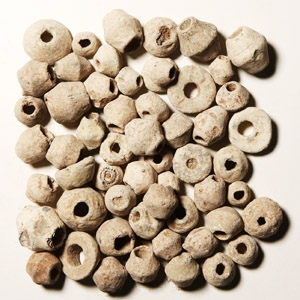
Offering a variety of types of spindle whorl, including biconical, facetted and plano-convex forms, including examples possibly displaying worn decorative motifs. 495 grams total, 10-18 mm
Acquired on the UK art market. Property of a Ruislip, UK, gentleman, by inheritance. -
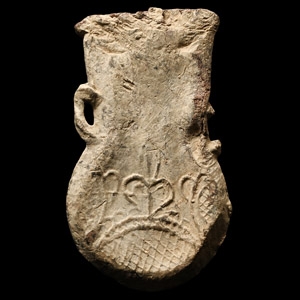
Medieval Lead Pilgrim's Holy Water Ampulla
15th century A.D.Sold for (Inc. bp): £104
Displaying a raised design to both faces: a four-petalled flower against a hatched field; a plant or heart on a mound; one remaining loop handle at the neck. 32.7 grams, 51 mm
Found Hampshire, UK. -
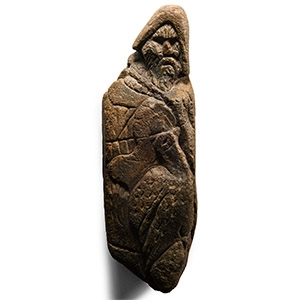
Medieval Stone Carving of Saint Francis with Bird
Circa 14th century A.D.Estimate: £400 - 600 (+bp*)
Opening Bid: £200
A water-worn stone carving depicting a robed Saint Francis standing beside a peahen or other bird. 848 grams, 20.3 cm
Found in the river Nene, Northamptonshire, UK. Ex Norfolk collection in the early 2000s.
