
Loading, please wait...
LOT 1552
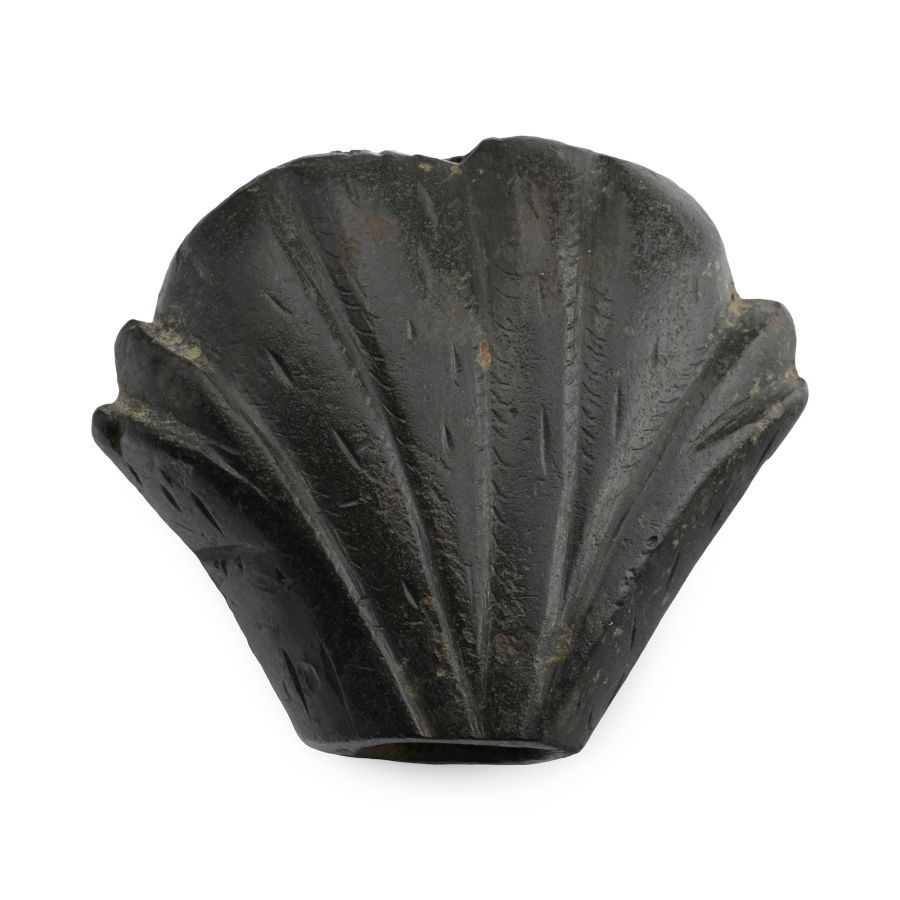
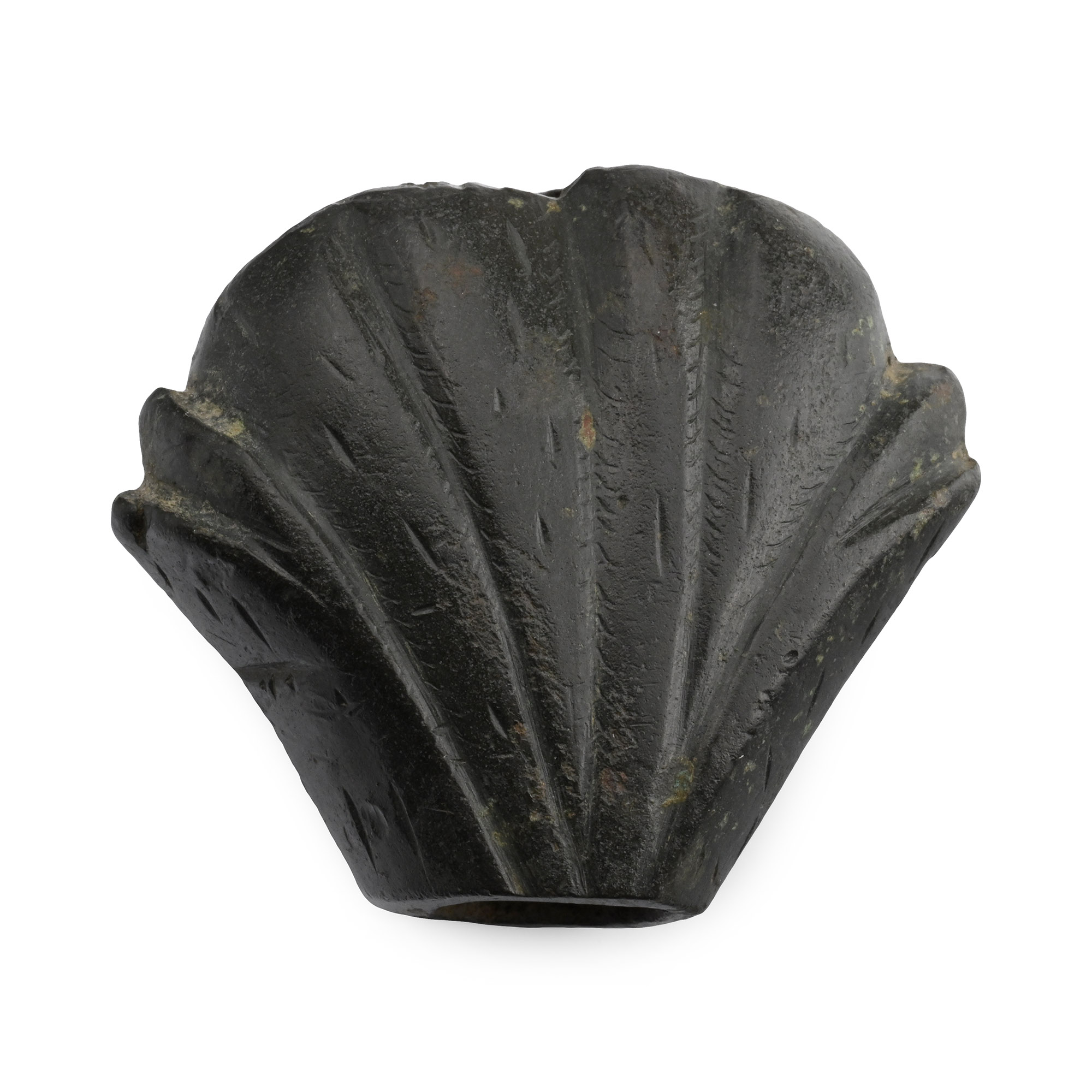
Large Medieval Bronze Dagger Pommel
14TH-15TH CENTURY A.D.
1 3/8 in. (70 grams, 36.6 mm).
Comprising a hexagonal-section socket and seven radiating lobes with incised slash detailing. [No Reserve]
ProvenanceFound Norfolk, UK.
CONDITIONTimeLine Auctions follows a vetting process to ensure the authenticity and legality of all items, reinforcing our commitment to integrity and responsible trading. Each antiquity, antique, and coin lot undergoes thorough examination by a vetting committee of at least ten external specialists, professional trade association members, scientists, and archaeologists: Our Vetting Process
AUCTIONS:
TimeLine is a leading auction house specialising in antiquities, ancient art, collectables, natural history, coins, medals, and books. Our auctions offer museums, collectors, historians, and enthusiasts the opportunity to acquire unique and historically significant pieces.
-
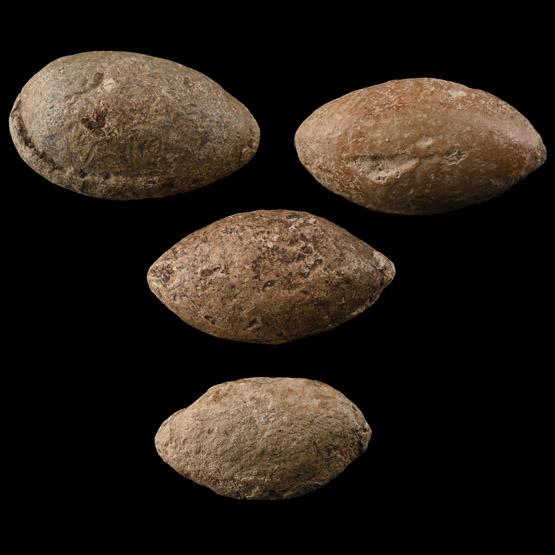
Greek Lead Slingshot Group
4th-3rd century B.C.Sold for (Inc. bp): £85
Each lentoid with thick casting seam to the rim. 131 grams total, 26-31 mm
Ex German art market, 2000s. Acquired from an EU collector living in London. From the collection of a Surrey, UK, gentleman. -
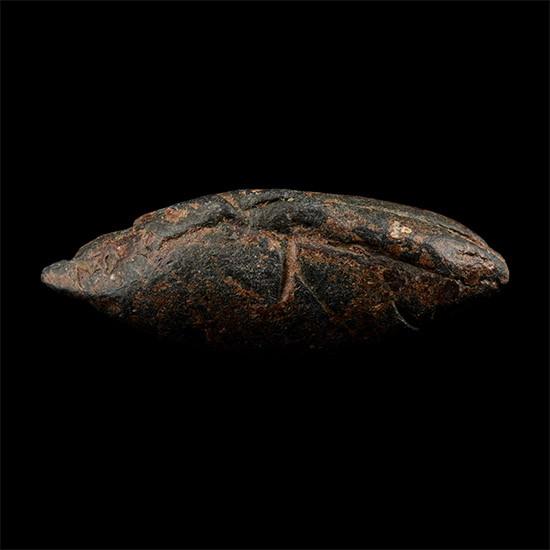
Greek Macedonian Lead Slingshot
4th-3rd century B.C.Sold for (Inc. bp): £46
Lentoid type with one end deformed on impact; incised running zigzag design. 54.4 grams, 45 mm
Ex German art market, 2000s. Acquired from an EU collector living in London. From the collection of a Surrey, UK, gentleman. -
.jpg)
Luristan Bronze Dirk
2nd-1st millennium B.C.Sold for (Inc. bp): £143
With a parallel-sided blade curving to a point, with a broad mid-rib, and a rectangular-section tang. 275 grams, 37 cm
Ex Abelita family collection, 1980s-2000s.
MacGregor dated such blades to the Late Bronze Age or Early Iron Age. Moorey, Gordon and Khorasani created a classification of bladed weapons, according to which daggers are edged weapons no greater than 36cm in length, dirks (short swords) are between 36cm and 50cm in length, and swords are edged weapons greater than 50cm in length.
