
Loading, please wait...
LOT 1473
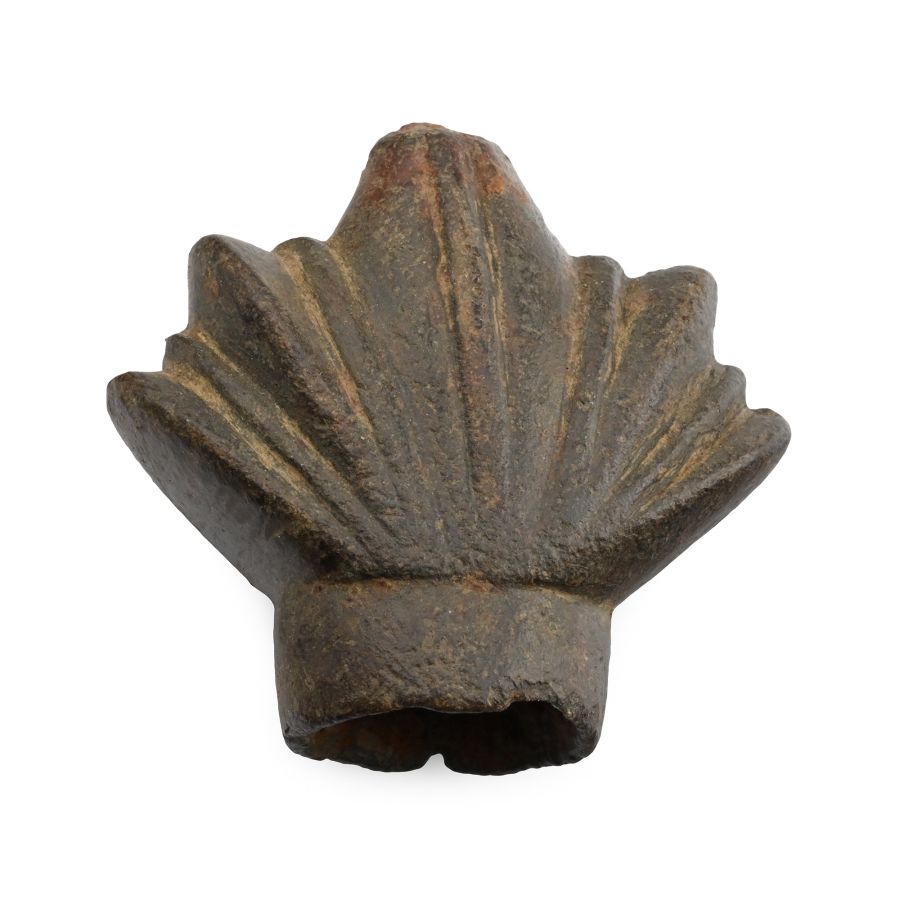
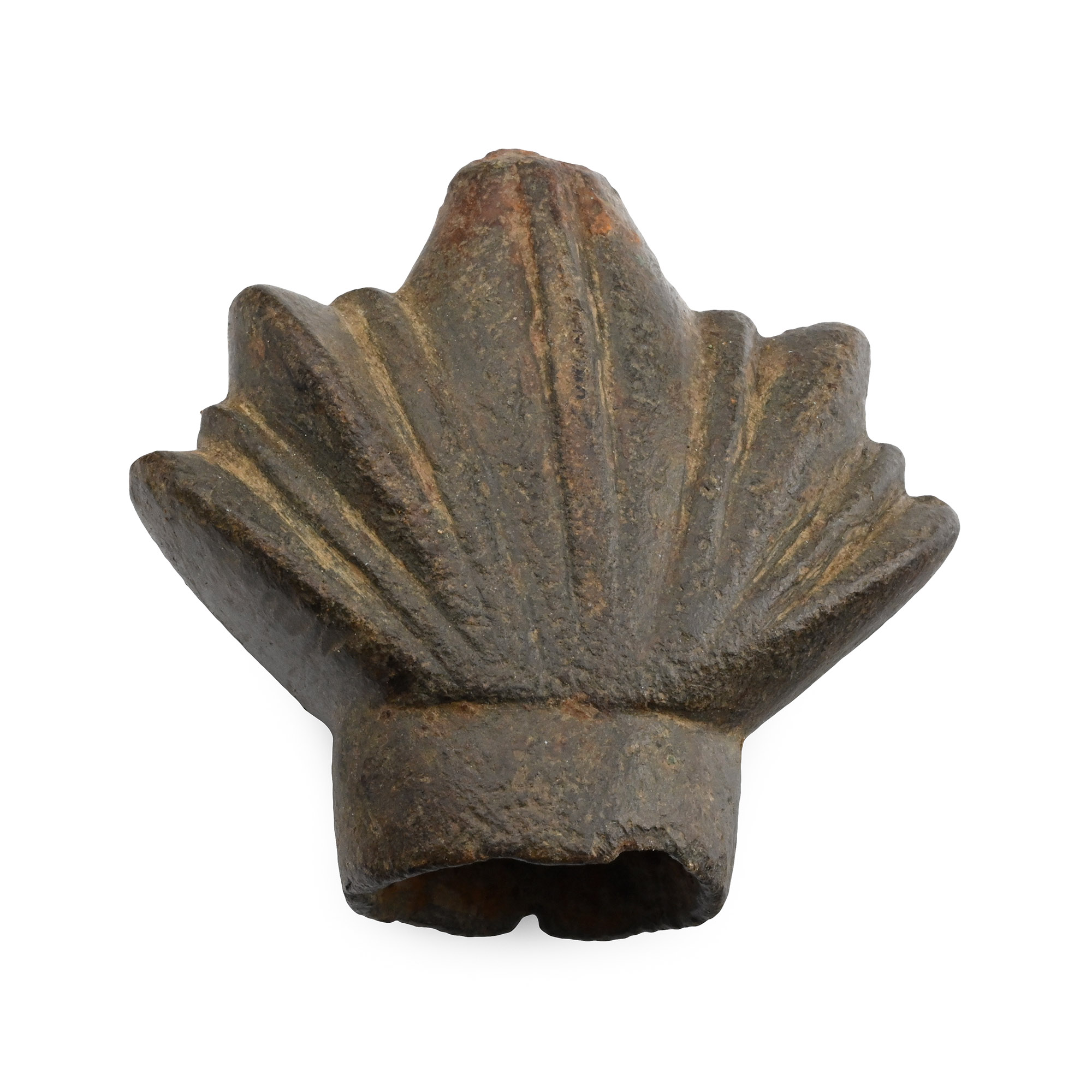
Large Medieval Bronze Dagger Pommel
14TH-15TH CENTURY A.D.
1 1/2 in. (43.4 grams, 39 mm).
Comprising an ellipsoid collar and five radiating lobes with interstitial bands. [No Reserve]
ProvenanceFound Norfolk, UK.
CONDITIONTimeLine Auctions follows a vetting process to ensure the authenticity and legality of all items, reinforcing our commitment to integrity and responsible trading. Each antiquity, antique, and coin lot undergoes thorough examination by a vetting committee of at least ten external specialists, professional trade association members, scientists, and archaeologists: Our Vetting Process
AUCTIONS:
TimeLine is a leading auction house specialising in antiquities, ancient art, collectables, natural history, coins, medals, and books. Our auctions offer museums, collectors, historians, and enthusiasts the opportunity to acquire unique and historically significant pieces.
-
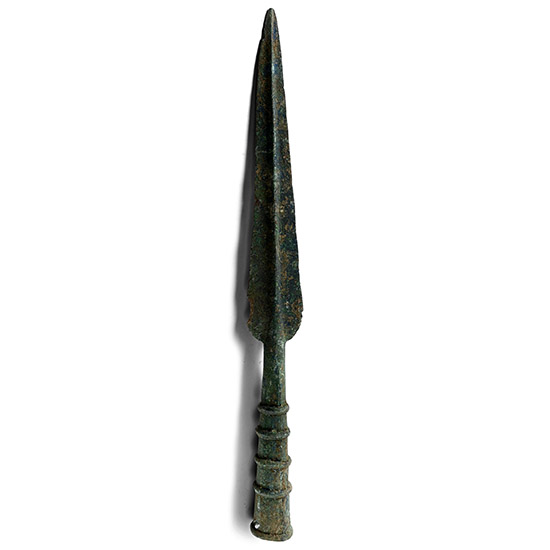
Luristan Bronze Spearhead
800-600 B.C.Sold for (Inc. bp): £182
Socketted with slight horizontal cast-in grooves on the shaft, foliate head with strong mid-rib, fastening hole on the socket. 166 grams, 34.7 cm
Ex Abelita family collection, 1980s-2000s.
These kinds of spearheads were realised by casting in a mould. They were of different lengths and used by Luristan, Hamadan, early Median and Achaemenid warriors. -
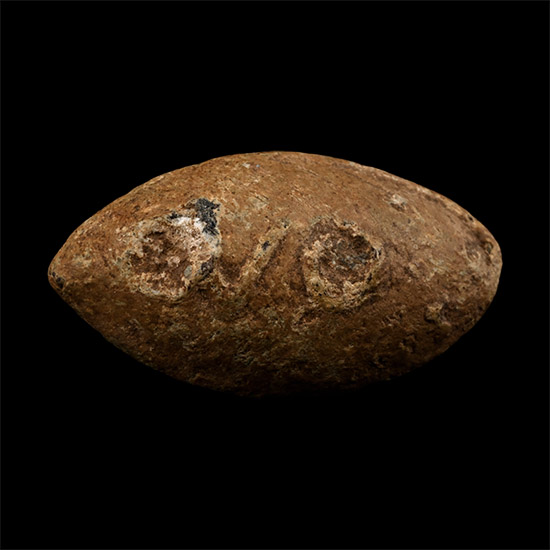
Greek Hellenic Inscribed Lead Slingshot
3rd century B.C.Sold for (Inc. bp): £130
Lenticular type with casting seam to the rim, raised 'OΛO' legend; with old dealer's ticket. 4.53 grams, 34 mm
From Asia. Acquired on the UK art market. From the private collection of an East Anglian, UK, Specialist Collector. Accompanied by a copy of a previous catalogue entry. -
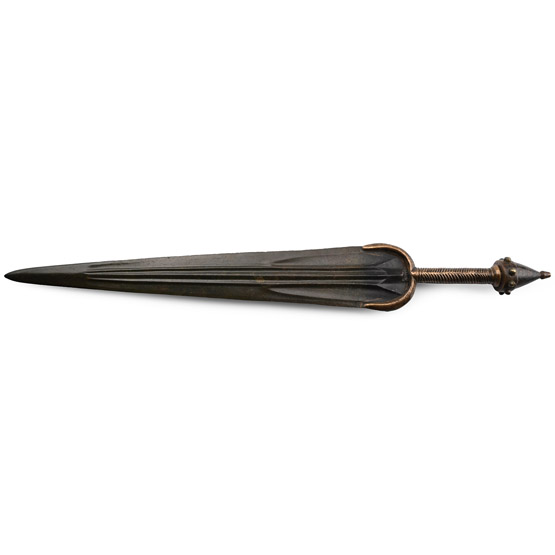
Luristan Bronze Re-Hilted Sword
2nd-1st millennium B.C.Sold for (Inc. bp): £416
Broad two-edged bronze blade with corrugated midrib and lateral channels, lentoid-setion tip; fitted with a modern reproduction hilt. 884 grams, 56.4 cm
Ex Abelita family collection, 1980s-2000s.
