
Loading, please wait...


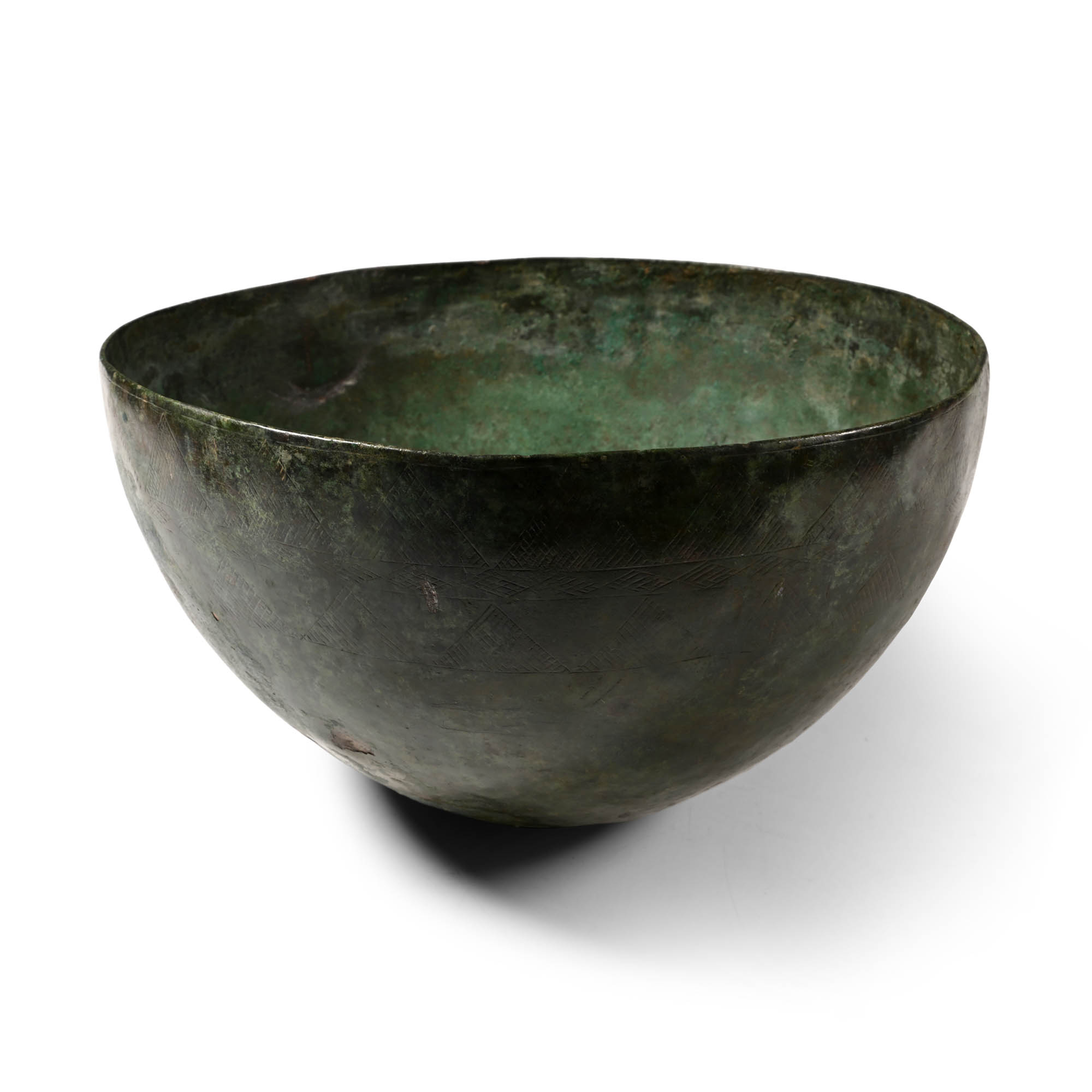
LOT 1340
Large Luristan Bronze Bowl
13TH-7TH CENTURY B.C.
8 3/8 in. (424 grams, 21.2 cm).
Hemispherical in profile with thin rim; low-relief band of hatched ornament to the sidewall. [No Reserve]
ProvenanceUK private collection before 2000.
Acquired on the UK art market.
Property of a London gentleman.
TimeLine Auctions follows a vetting process to ensure the authenticity and legality of all items, reinforcing our commitment to integrity and responsible trading. Each antiquity, antique, and coin lot undergoes thorough examination by a vetting committee of at least ten external specialists, professional trade association members, scientists, and archaeologists: Our Vetting Process
AUCTIONS:
TimeLine is a leading auction house specialising in antiquities, ancient art, collectables, natural history, coins, medals, and books. Our auctions offer museums, collectors, historians, and enthusiasts the opportunity to acquire unique and historically significant pieces.
-
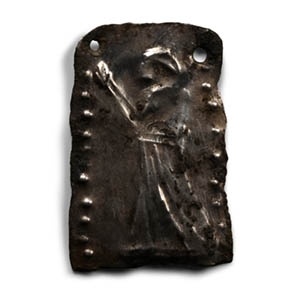
Assyrian Silver Plaque with Supplicant Figure
Early 2nd millennium B.C.Sold for (Inc. bp): £33
Tongue-shaped sheet silver panel with repoussé profile figure in floor-length robe raising hands; pierced at upper corners, band of repoussé pellets to each edge. 1.75 grams, 31 mm
UK private collection before 2000. Acquired on the UK art market. Property of a London gentleman. -
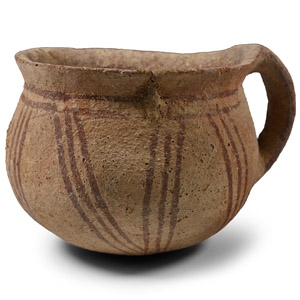
Jordanian Painted Terracotta Cup
2nd millennium B.C.Sold for (Inc. bp): £130
With a bulbous body and rounded base, a single strap handle to the rear with painted linear decoration, circumferential double band below the rim from which triple-banded chevrons extend towards the base. 228 grams, 11.2 cm
Acquired in the mid 1980s-1990s. Private collection, Switzerland, thence by descent. Private collection, since the late 1990s. -
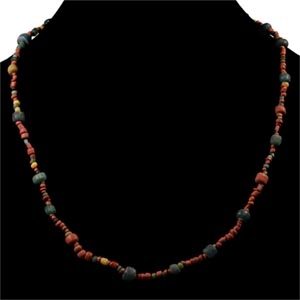
Western Asiatic Glass Bead Necklace String
1st millennium B.C. and laterSold for (Inc. bp): £33
Composed mainly of oblate beads interspersed with larger blue oblate beads, restrung and including some trade-wind beads. 20 grams, 60 cm long
Ex property of a late Japanese collector, 1970-2000s.
