
Loading, please wait...
LOT 1983
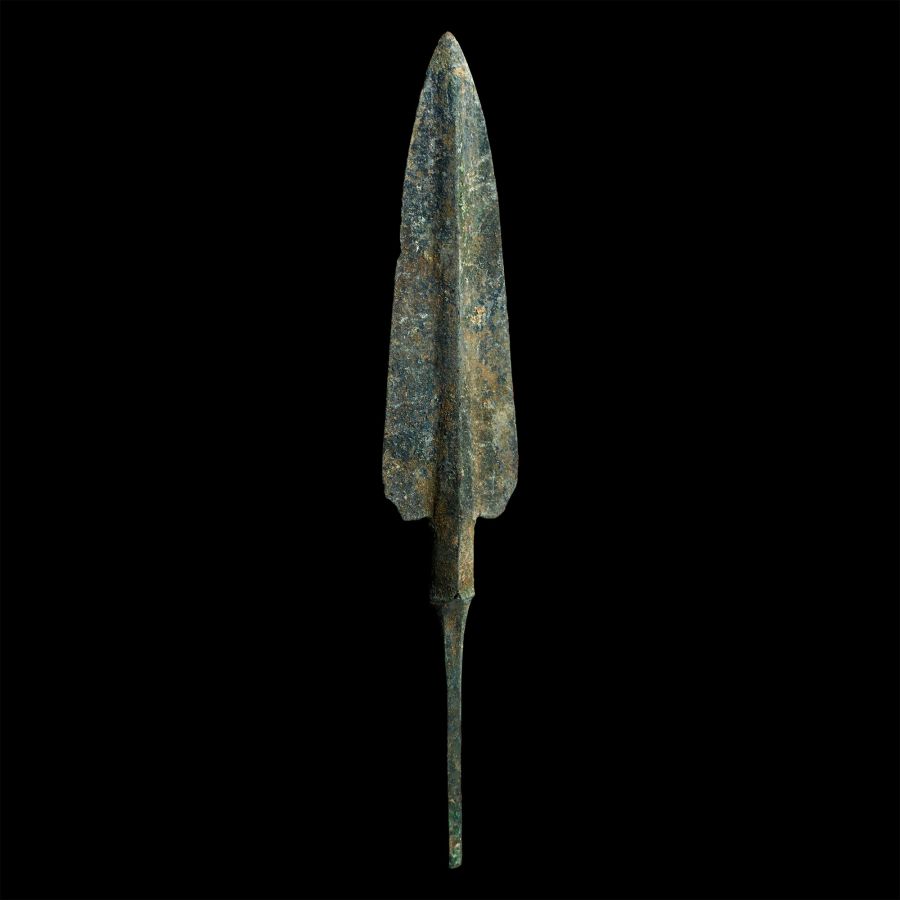
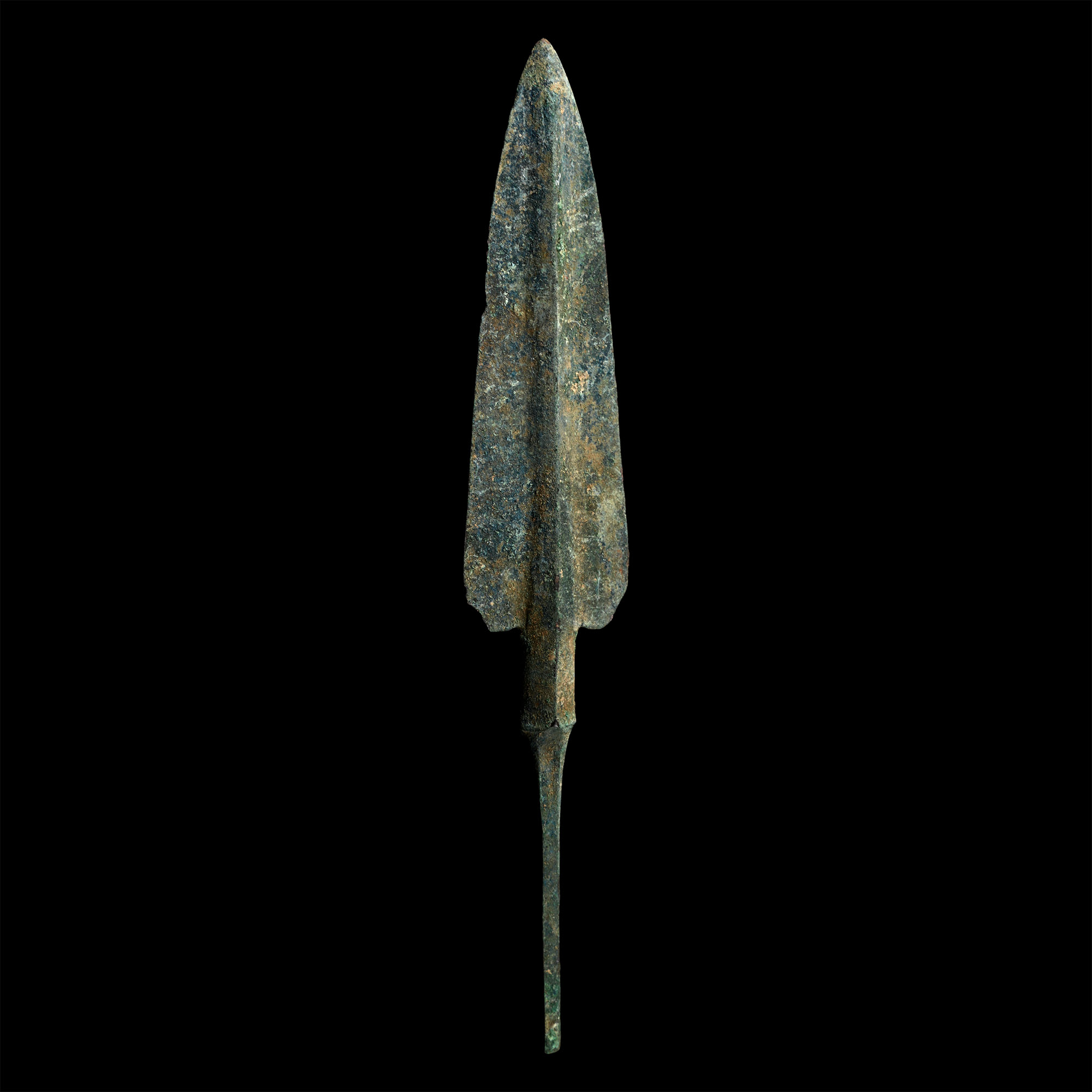
Large Luristan Bronze Arrowhead
2ND-1ST MILLENNIUM B.C.
6 1/2 in. (50.6 grams, 16.6 cm).
With lanceolate head, square-section neck and rounded shoulders. [No Reserve]
ProvenanceFrom a UK collection formed in the 1980s.
Property of an Essex, UK, gentleman.
TimeLine Auctions follows a vetting process to ensure the authenticity and legality of all items, reinforcing our commitment to integrity and responsible trading. Each antiquity, antique, and coin lot undergoes thorough examination by a vetting committee of at least ten external specialists, professional trade association members, scientists, and archaeologists: Our Vetting Process
AUCTIONS:
TimeLine is a leading auction house specialising in antiquities, ancient art, collectables, natural history, coins, medals, and books. Our auctions offer museums, collectors, historians, and enthusiasts the opportunity to acquire unique and historically significant pieces.
LOT 1983
Large Luristan Bronze Arrowhead
Estimate £30 - 40€35 - 46 (for guidance only)$41 - 54 (for guidance only)
Opening Bid
£5 (EUR 6; USD 7) +BP*
-
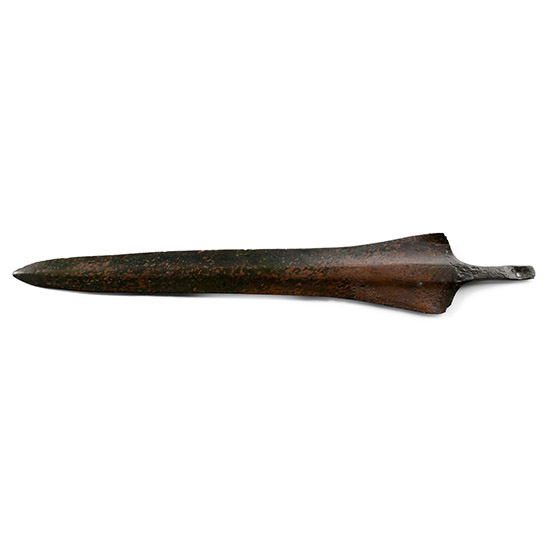
Western Asiatic Bronze Dagger
1800-1600 B.C.Estimate: £150 - 200 (+bp*)
Opening Bid: £83
The blade expanding towards the shoulders, a pierced rectangular-section tang. 174 grams, 29.2 cm
Ex Abelita family collection, 1990s. -
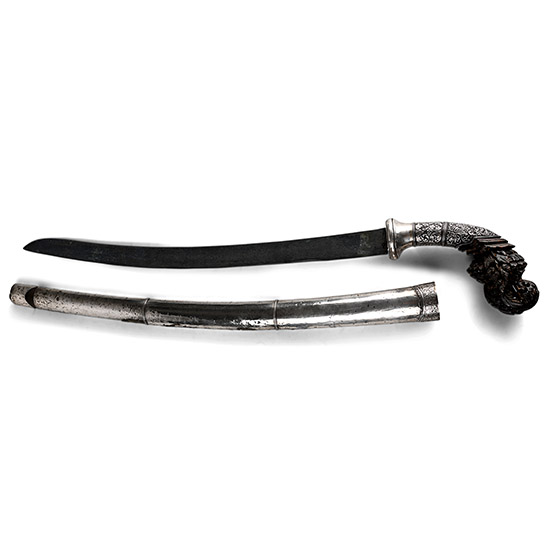
Indonesian Iron Sword with Carved Wooden Handle in Scabbard
Java, 19th century A.D.Estimate: £200 - 300 (+bp*)
Opening Bid: £100
Comprising: curved single-edged blade with thick back and scooped tip; curved grip with bell-shaped guard and repoussé sleeve with floral detailing; wooden core carved at the open end to represent dense foliage in detailed openwork with recurved finial; wooden scabbard with sheet metal sleeve and ornamented frog to match the grip. 755 grams, 72 cm
From the collection of Mr Carlos Bahamonde, Manchester, UK. -
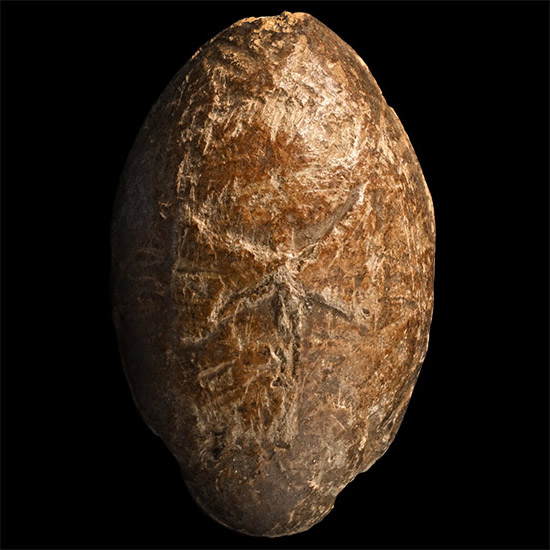
Greek Lead Slingshot with Double Axe
3rd-2nd century B.C.Estimate: £100 - 140 (+bp*)
Opening Bid: £50
Biconical in profile with a brownish patina, one side decorated with a double-axe labrys. 30.5 grams, 27 mm
Previously property of an Austrian collector, Vienna, Austria. From a German private collection, formed since the 1980s.
Since Minoan times, the labrys was an important symbol in the Greek world, illustrating power. This glans can be linked to lead bullets showing the same labrys symbol on one side and the name 'ΤΕΙΣΕΑ' on the other side. The name 'Τεισέας' might come from Caria or Lycia.
