
Loading, please wait...
LOT 2627
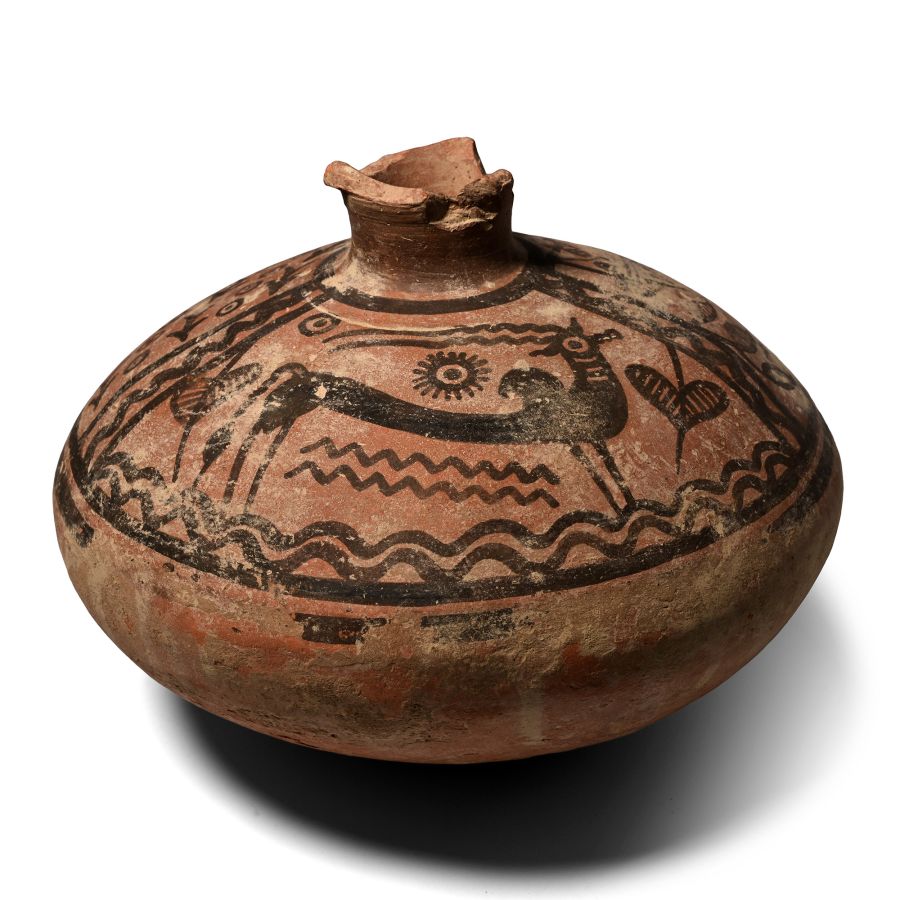
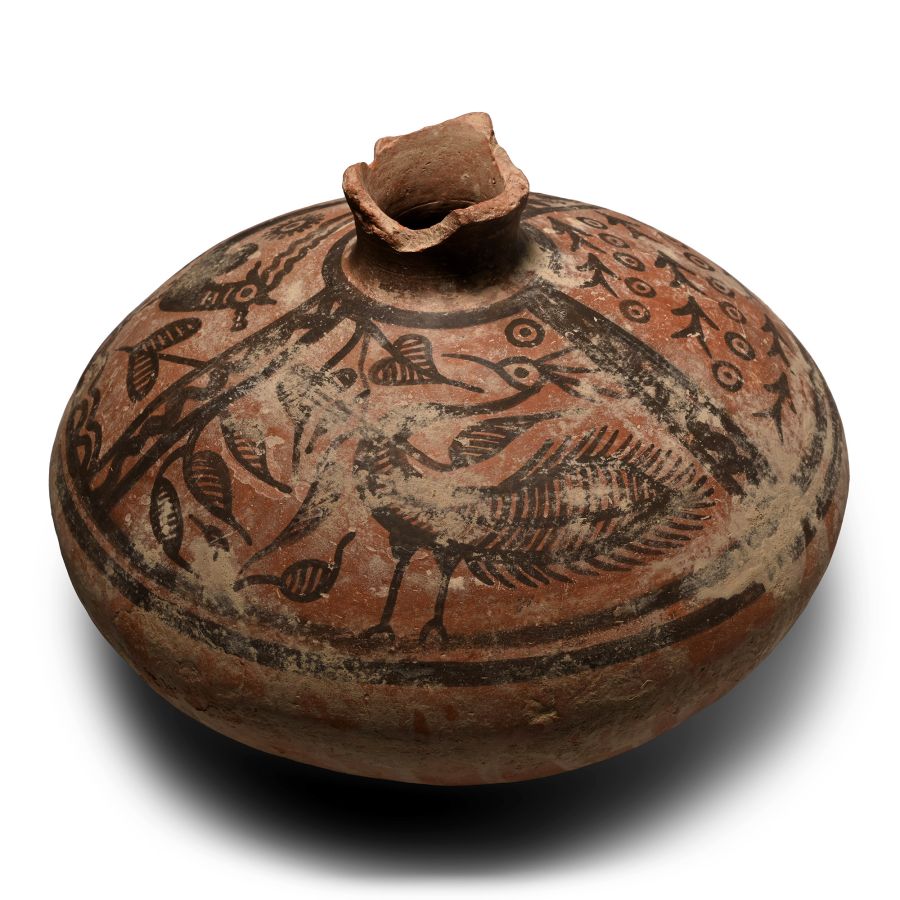
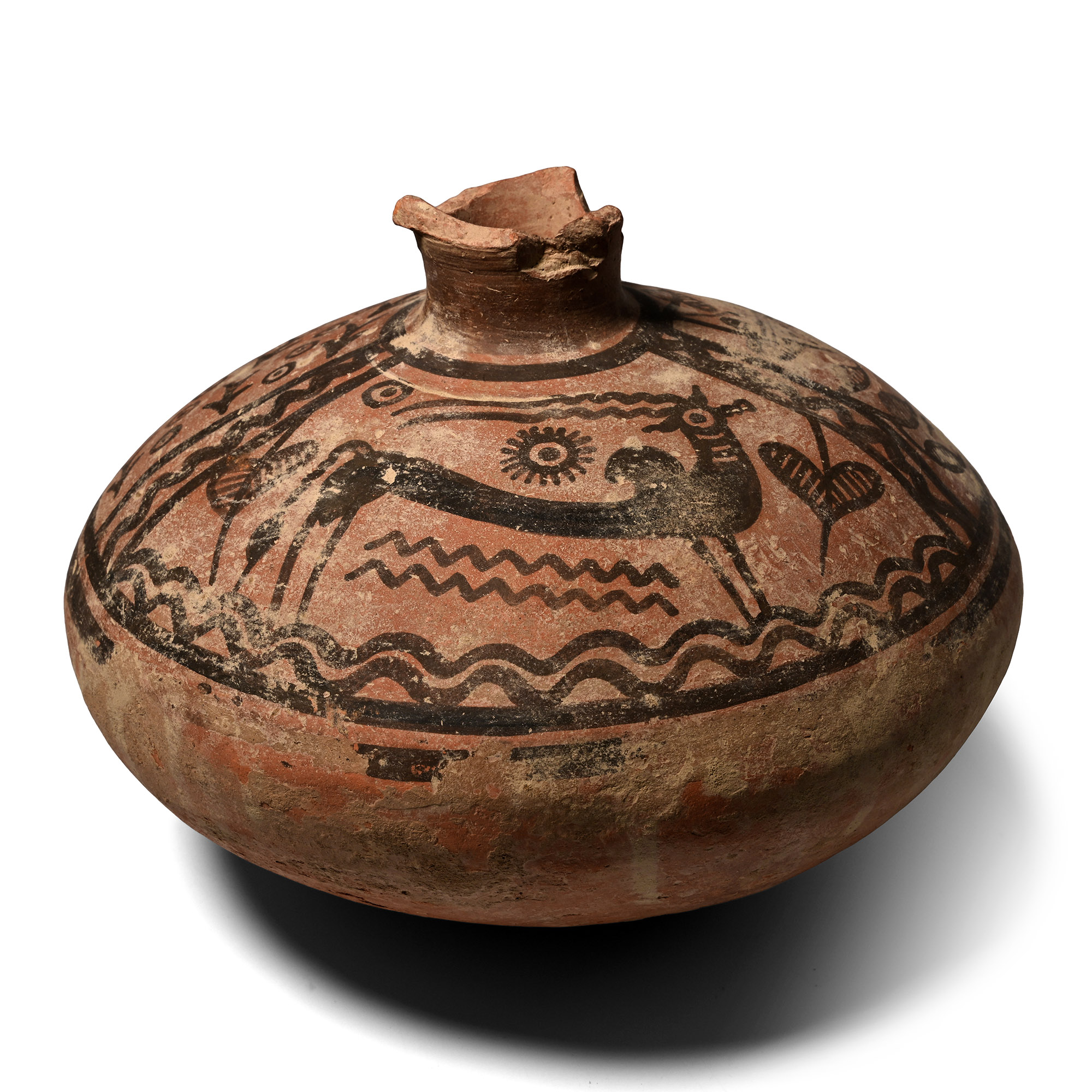
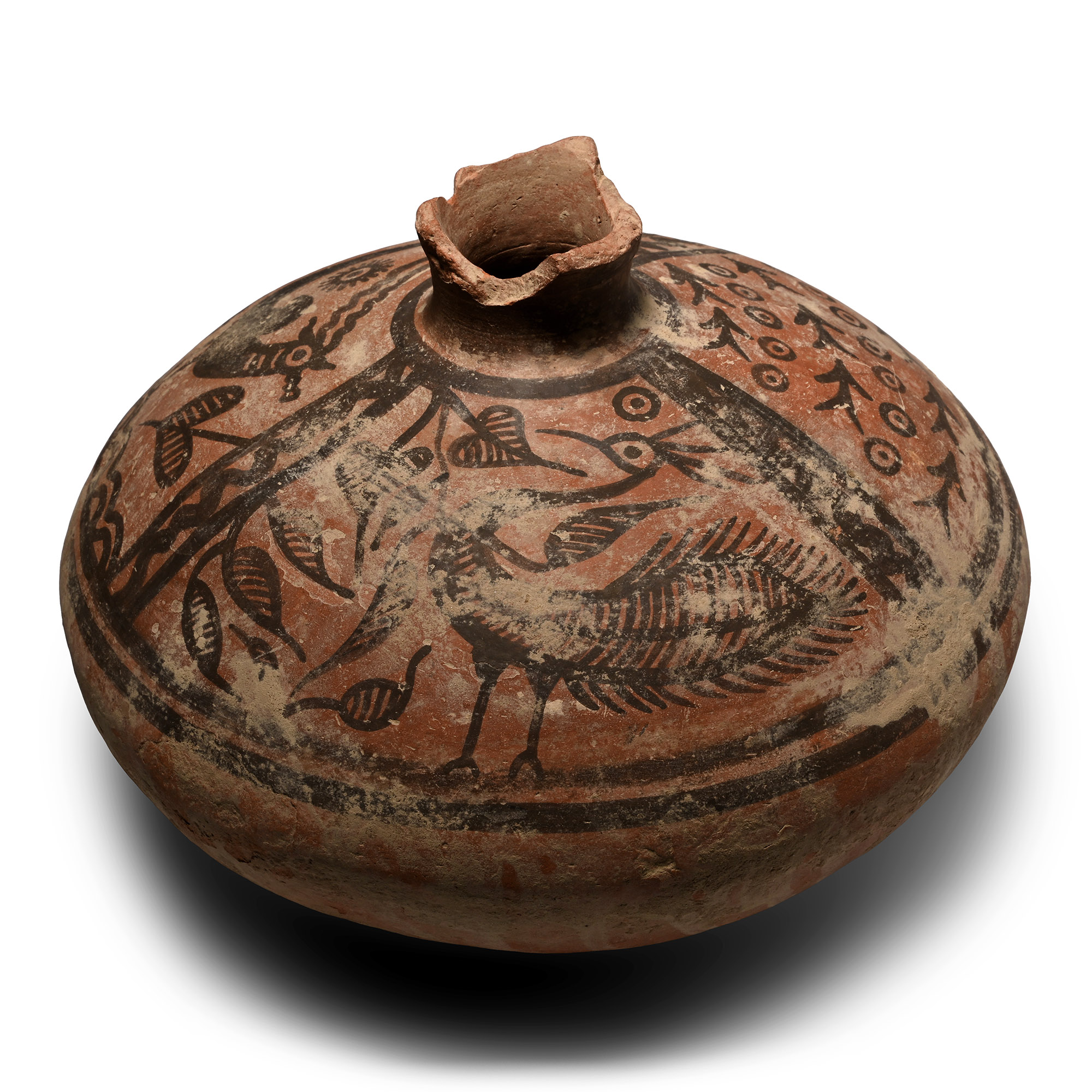
Large Indus Valley Terracotta Vessel with Animals
3RD-2ND MILLENNIUM B.C.
8 in. (1.13 kg, 20 cm wide).
Biconvex jar with trumpet-shaped mouth, painted cells of birds, fish and other ornament to the shoulder. [No Reserve]
ProvenanceFrom the private collection of the late David Gold, 1990s.
David Gold was one of the co founders of the Iconic Lord John brand in Carnaby Street that sparked a style revolution in the swinging sixties dressing The Rolling Stones, The Beatles and The Kinks and were at the heart of 'all things cool'.
See Satyawadi, S., Proto-Historic Pottery of Indus Valley Civilisation: Study of Painted Motifs, Perspectives in Indian Art and Archaeology vol.2, New Delhi, 1994, for discussion.
CONDITIONTimeLine Auctions follows a vetting process to ensure the authenticity and legality of all items, reinforcing our commitment to integrity and responsible trading. Each antiquity, antique, and coin lot undergoes thorough examination by a vetting committee of at least ten external specialists, professional trade association members, scientists, and archaeologists: Our Vetting Process
AUCTIONS:
TimeLine is a leading auction house specialising in antiquities, ancient art, collectables, natural history, coins, medals, and books. Our auctions offer museums, collectors, historians, and enthusiasts the opportunity to acquire unique and historically significant pieces.
-
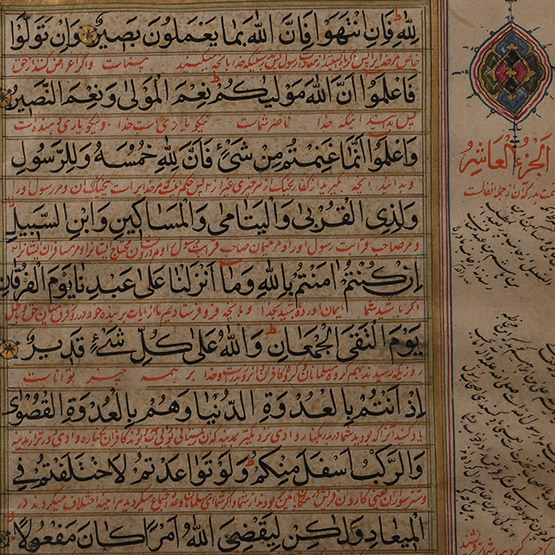
Northern Indian Gilt Mughal Quran Page
1780 A.D.Sold for (Inc. bp): £65
In a gilt wooden glazed frame with card reveal; collector's label to reverse with details: 'This fine page is from a very fine Mughal Koran, with prayers. copied from Mull Fathullah's Tafsir Commentary. It was scribed in Northern India and dated AH 1195/AD 1780. The script is Naskhi, with interlinear Persian translation throughout in red nasta'liq. There are illuminated florets between verses, extensive commentaries in nasta'liq written diagonally in outer margins, illuminated devices in margins ... some slight staining from devotional use but generally the work is in good condition.' 511 grams, 28.7 x 23.5 cm
Acquired on the UK art market. -
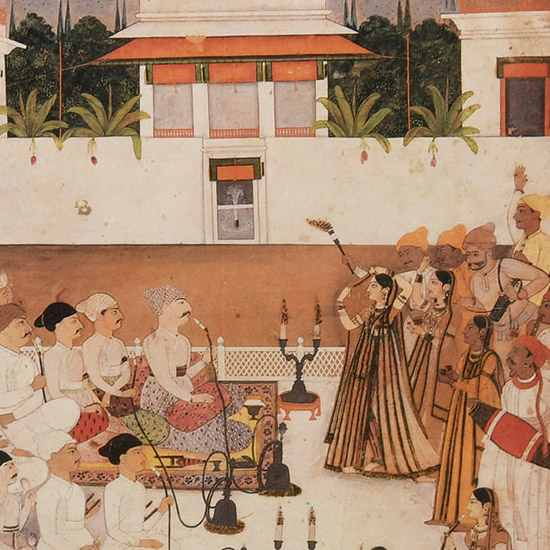
Indian Framed Print with Courtiers Smoking Hookahs
19th-20th century A.D.Sold for (Inc. bp): £234
A framed and glazed print presenting seated courtiers smoking hookahs whilst being entertained by musicians, set within a walled garden with fountains. 417 grams, 25.5 x 20.5 cm
Fine condition.
Ex property of a Greater Manchester collector. -
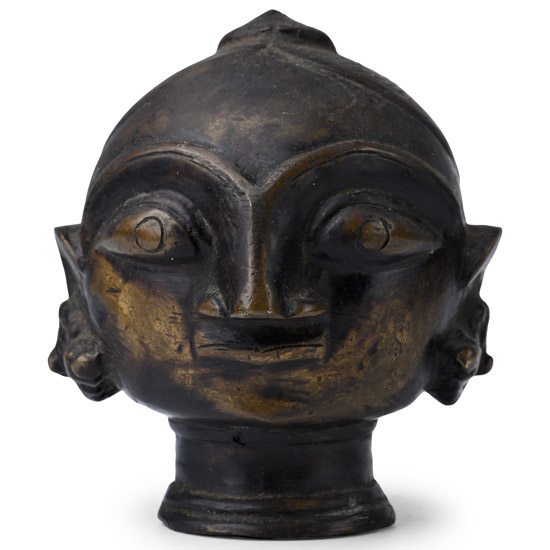
Buddhist Bronze Deity Head
India, late 19th-early 20th century A.D.Sold for (Inc. bp): £26
Modelled in the round with emphasised almond-shaped eyes and long curving eyebrows, wearing rosette earrings and a headgear with rosettes, hollow-form. 543 grams, 9.5 cm
Acquired on the UK art market pre 2000. Property of Nottinghamshire, UK, gentleman.
