
Loading, please wait...
_900x900.jpg "Large Hebrew Leather Scroll")
_200x200.jpg "Large Hebrew Leather Scroll")
.jpg "Large Hebrew Leather Scroll")
LOT 1143
Large Hebrew Leather Scroll
20TH CENTURY A.D.
25 x x 97 1/4 in. (577 grams, 63.5 x 247 cm).
A rectangular suede leather manuscript made up from panels sewn along one edge into a long rectangle; sixteen blocks of regular Hebrew script, part of a Torah scroll, including the book of Leviticus.
ProvenancePrivate collection, UK.
CONDITIONTimeLine Auctions follows a vetting process to ensure the authenticity and legality of all items, reinforcing our commitment to integrity and responsible trading. Each antiquity, antique, and coin lot undergoes thorough examination by a vetting committee of at least ten external specialists, professional trade association members, scientists, and archaeologists: Our Vetting Process
AUCTIONS:
TimeLine is a leading auction house specialising in antiquities, ancient art, collectables, natural history, coins, medals, and books. Our auctions offer museums, collectors, historians, and enthusiasts the opportunity to acquire unique and historically significant pieces.
LOT 1143
Large Hebrew Leather Scroll
Estimate £400 - 600€460 - 700 (for guidance only)$540 - 810 (for guidance only)
-
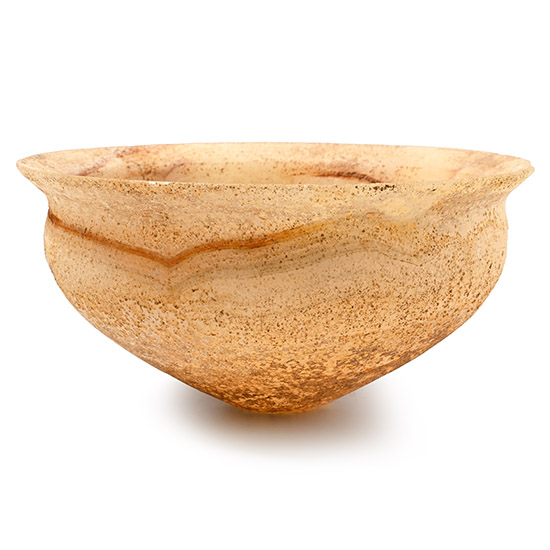
Western Asiatic Banded Alabaster Bowl
2nd-1st millennium B.C.Sold for (Inc. bp): £156
Squat in profile with carination below the flared rim. 250 grams, 12.3 cm wide
Private collection, UK. -
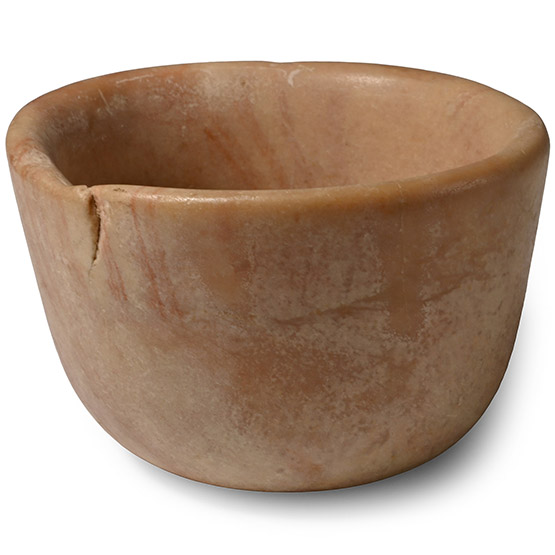
Western Asiatic Stone Cup
1st millennium B.C.Estimate: £100 - 140 (‡+bp*)
Opening Bid: £50
Carved with a broad flat base, gently flared profile, rounded rim. 174 grams, 72 mm wide
Private collection, assembled in the 1950s-1970s, thence by descent. -
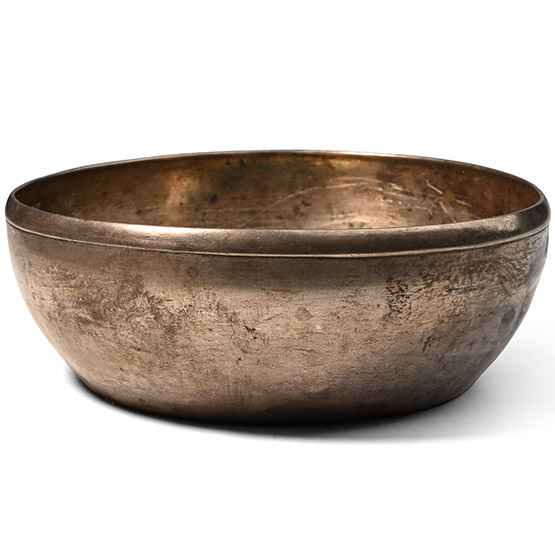
Indo-Parthian Silver Flat-Bottom Bowl
Circa late 1st century B.C.-early 1st century A.D.Estimate: £1,200 - 1,700 (+bp*)
Opening Bid: £600
Squat in profile with a gently domed base, curved sidewall with carination below the rim. 244 grams, 17 cm
Acquired from a private UK collection prior to 1979. Ex Julian Sherrier collection, a leading figure in Gandharan art. with Christie's, New York, sale 2337, 14th September 2010, no.51 (part). Accompanied by the original Christie's lot ticket and bar code label.
