
Loading, please wait...
![Large Group of One Hundred [100] Sulphur Specimens](https://timelineauctions.com/zoom_images/zoomthumb/2/5/255964_900x900.jpg "Large Group of One Hundred [100] Sulphur Specimens")
![Large Group of One Hundred [100] Sulphur Specimens](https://timelineauctions.com/zoom_images/zoommap/2/5/255964_200x200.jpg "Large Group of One Hundred [100] Sulphur Specimens")
![Large Group of One Hundred [100] Sulphur Specimens](https://timelineauctions.com/upload/images/items/255964.jpg "Large Group of One Hundred [100] Sulphur Specimens")
LOT 2456
Large Group of One Hundred [100] Sulphur Specimens
3/8 - 2 in. (1.3 kg total, 10-50 mm).
Comprising one hundred vivid canary-yellow specimens. [100, No Reserve]
ProvenanceFrom Brazil.
Ex Mineral Imports, London, UK.
Gregory, Bottley & Lloyd (Gregory's), Harwich, UK.
TimeLine Auctions follows a vetting process to ensure the authenticity and legality of all items, reinforcing our commitment to integrity and responsible trading. Each antiquity, antique, and coin lot undergoes thorough examination by a vetting committee of at least ten external specialists, professional trade association members, scientists, and archaeologists: Our Vetting Process
AUCTIONS:
TimeLine is a leading auction house specialising in antiquities, ancient art, collectables, natural history, coins, medals, and books. Our auctions offer museums, collectors, historians, and enthusiasts the opportunity to acquire unique and historically significant pieces.
-
.jpg)
Collection of Cabochon Rubies
Estimate: £120 - 170 (+bp*)
Current Winning Bid: £27
Comprising six polished cabochons, some lead glass-filled. 5.15 grams total, 8-11 mm
Private collection, London, UK. -
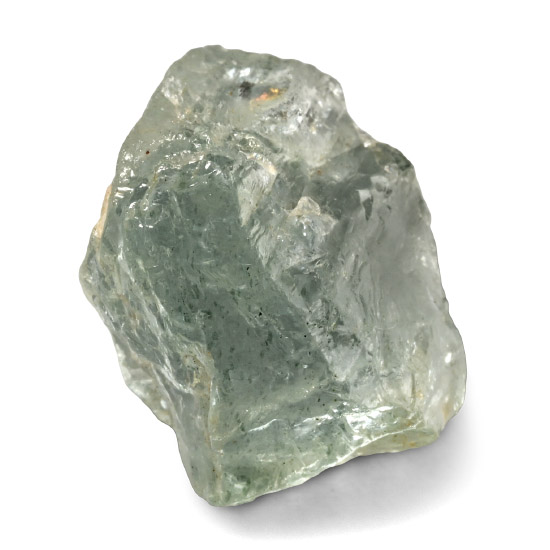
29 Carat Rough Natural Uncut Aquamarine Crystal
Sold for (Inc. bp): £104
Pale blue specimen exhibiting vitreous lustre. 5.82 grams, 22 mm
Ex Mineral Imports, London, UK. Gregory, Bottley & Lloyd (Gregory's), Harwich, UK. -
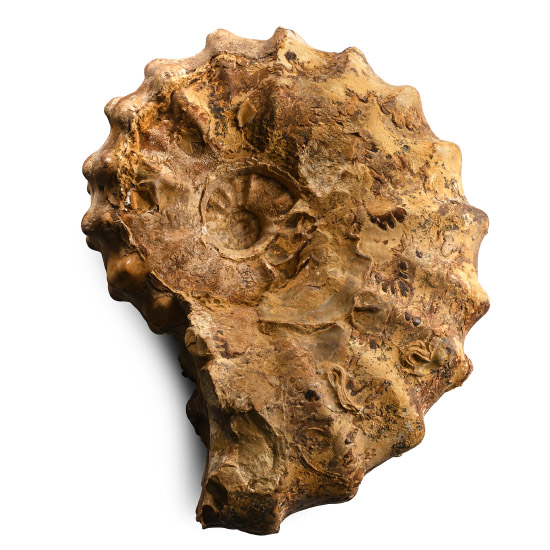
Fossil Euomphaloceras Ammonite
Late Cretaceous Period, circa 100-66 million years B.P.Sold for (Inc. bp): £46
Euomphaloceras cunningtoni with prominent protrusions on all outer ribs, old inked collector's notes '209' and 'Euomphaloceras Cunningtoni ?'. 830 grams, 13 cm
From the private collection of Kenneth Machin (1936-2020), Buckinghamshire, UK; his collection of antiquities and natural history was formed since 1948; thence by descent.
