
Loading, please wait...

LOT 0595
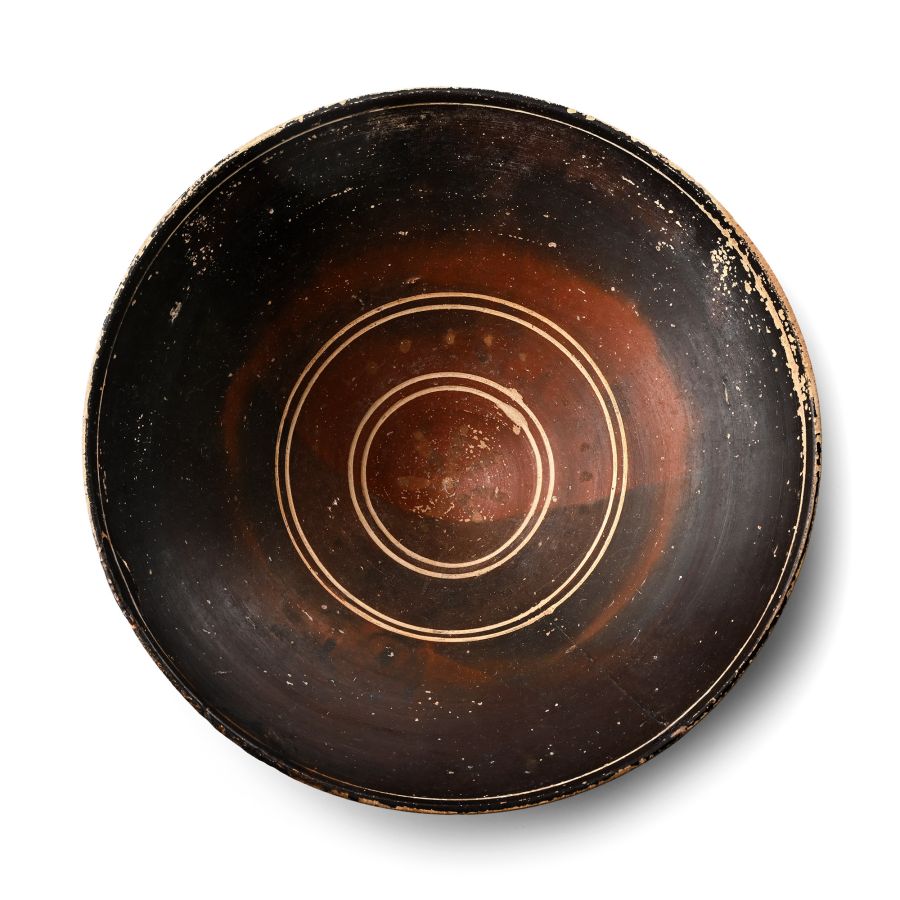
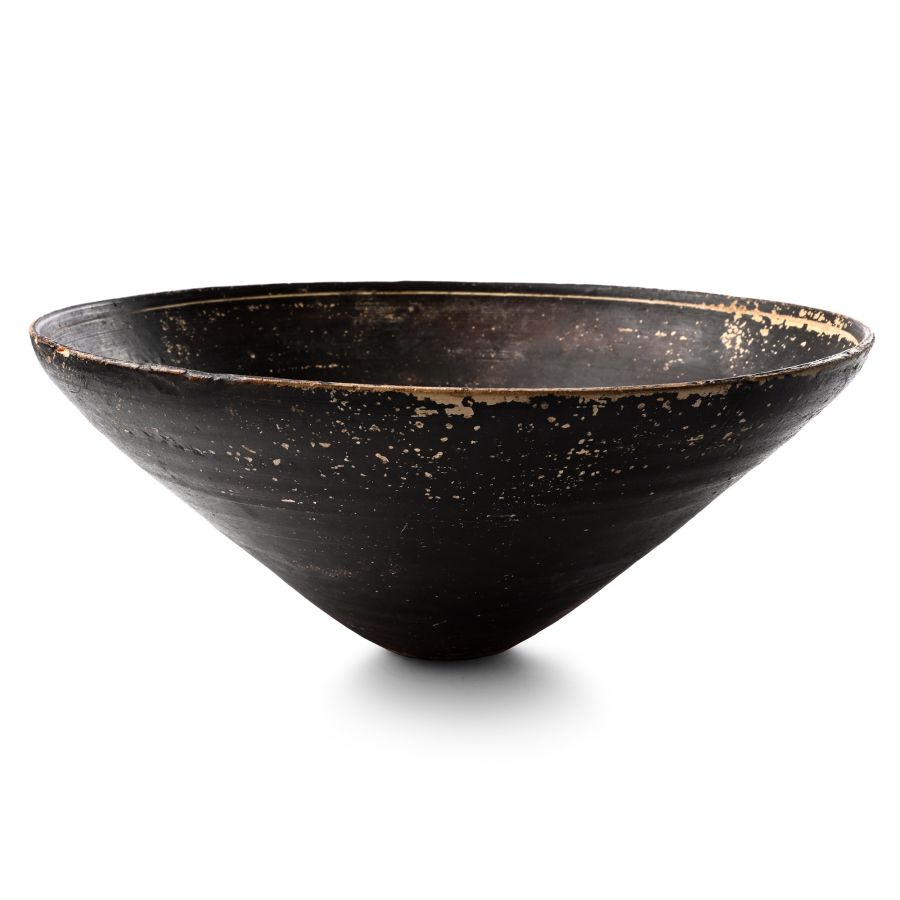
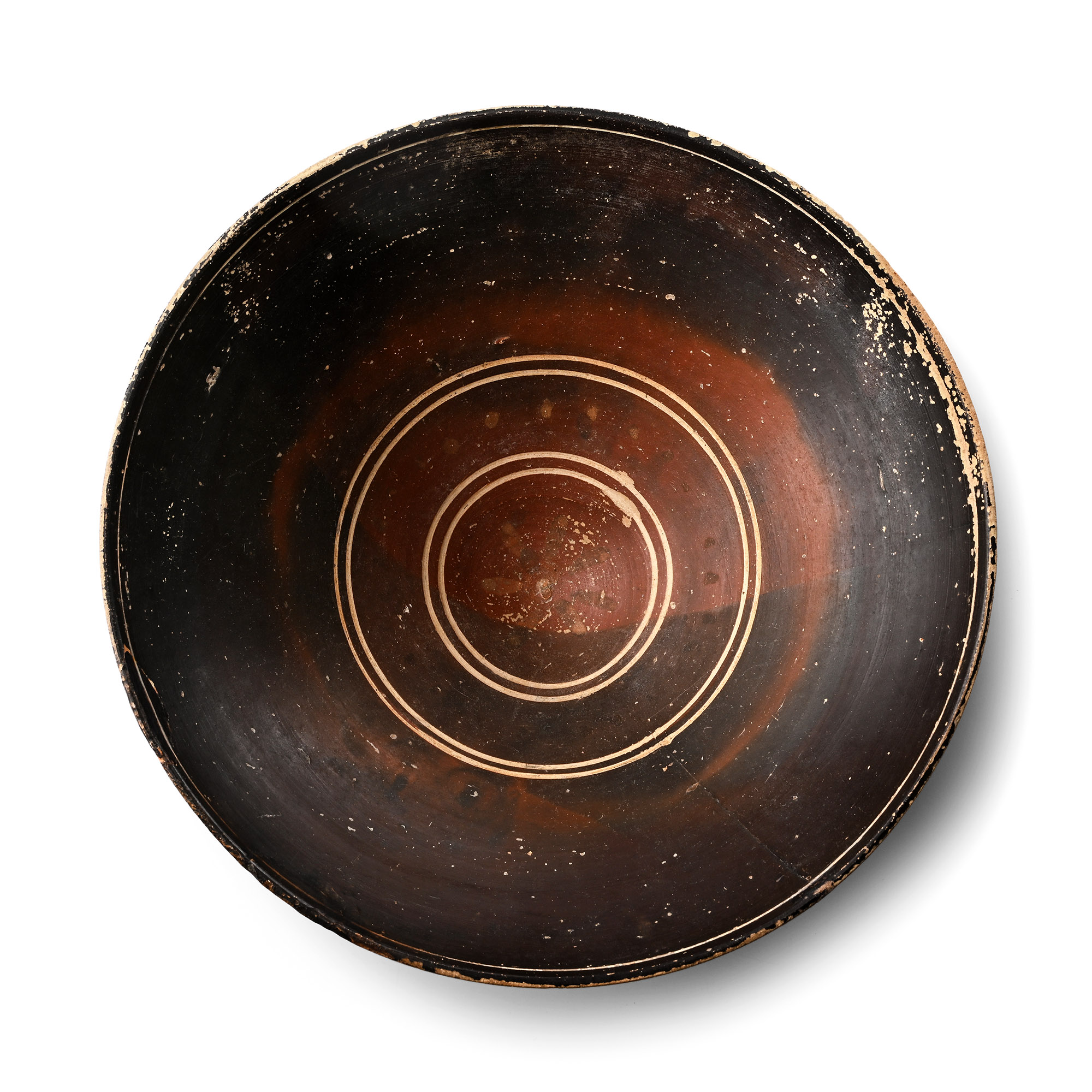
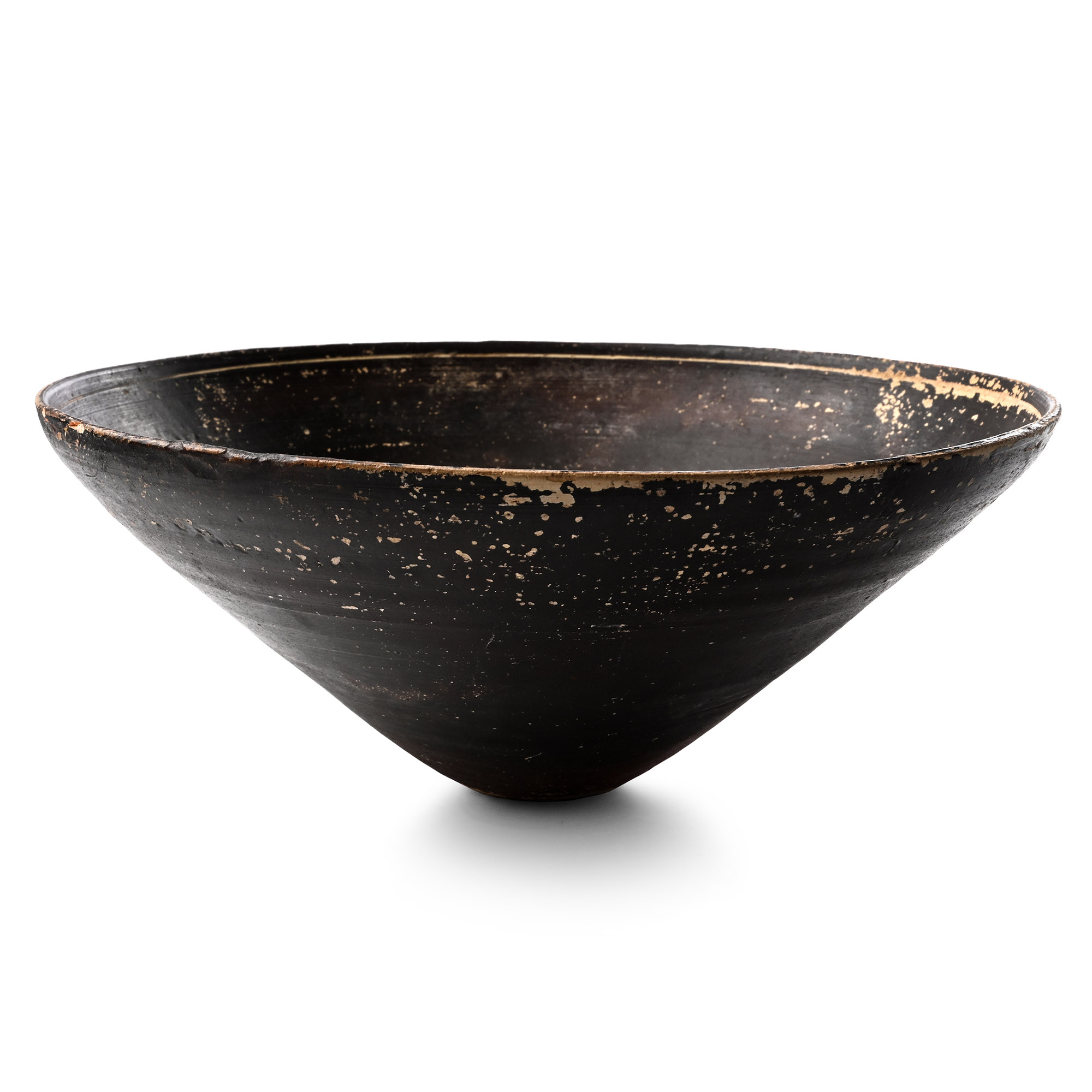
Large Greek Terracotta Deep Glazed Bowl
3RD-1ST CENTURY B.C.
8 1/2 in. (337 grams, 21.5 cm wide).
Glazed Slope-Ware vessel with narrow base, reserved concentric rings to the iner face; some restoration to rim; supplied with a display stand.
ProvenanceProperty of a private collector.
with Bonhams, London, 16 May 2002, no.551.
Private collection, UK.
Accompanied by a copy of an Art Loss Register certificate no.S00075157.
Accompanied by copies of the relevant Bonhams catalogue pages.
TimeLine Auctions follows a vetting process to ensure the authenticity and legality of all items, reinforcing our commitment to integrity and responsible trading. Each antiquity, antique, and coin lot undergoes thorough examination by a vetting committee of at least ten external specialists, professional trade association members, scientists, and archaeologists: Our Vetting Process
AUCTIONS:
TimeLine is a leading auction house specialising in antiquities, ancient art, collectables, natural history, coins, medals, and books. Our auctions offer museums, collectors, historians, and enthusiasts the opportunity to acquire unique and historically significant pieces.
-
.jpg)
Greek Attic Red-Figure Kylix Fragment of a Hand
Early 5th century B.C.Sold for (Inc. bp): £975
Irregular fragment framed by a meander on one side and finely painted hand; reverse depicting foot and part of the chiton of a standing figure. 10.63 grams, 52 mm
Private collection, Europe. -
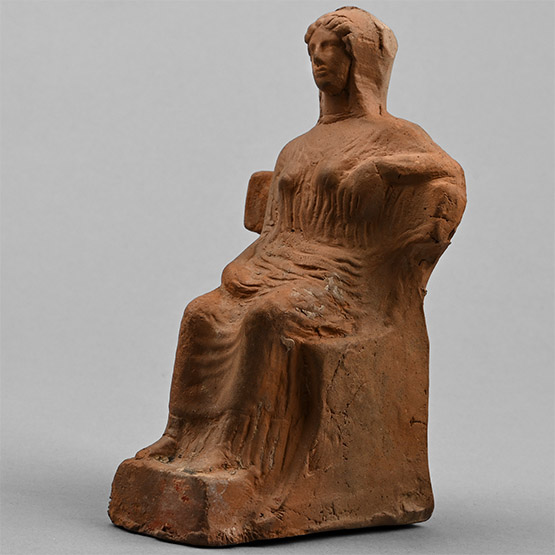
Greek Terracotta Figure of a Seated Goddess
3rd-2nd century B.C.Sold for (Inc. bp): £650
Hollow-formed figurine of a female wearing a himation seated on a high-backed chair with right hand in her lap and left arm bent over the back of the chair; triangular vent to reverse, hollow underside; Tanagra type. 255 grams, 13.8 cm
Collection of Mr C., Geneva, Switzerland (1936-2016), assembled between 1985 and 2010. -
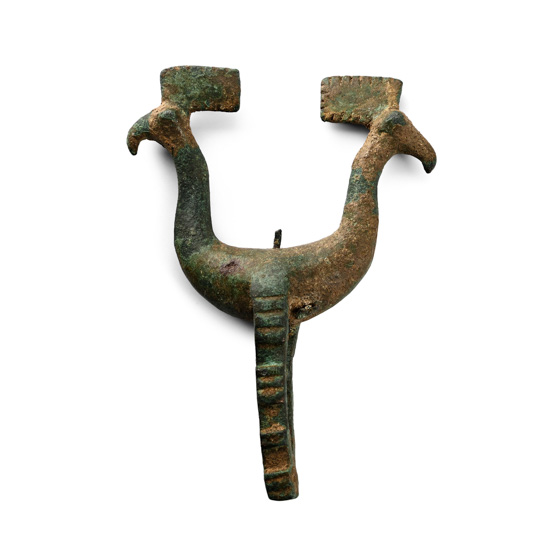
Large Greek Bronze Double-Headed Animal Terminal
Geometric, 8th-6th century B.C.Estimate: £1,500 - 2,000 (‡+bp*)
Opening Bid: £750
Comprising a crescent body with a slender neck at each end, topped by a bird-head with a rectangular crest, vertical legs with raised block detailing conjoined at the lower end into a mounting peg. 55.6 grams, 86 mm
Ex collection Mr K.H., Germany. Private collection, acquired in 2012. This lot has been checked against the Interpol Database of stolen works of art and is accompanied by search certificate no.13077-246757.
Bird figures, standing on plates or discs, are found as votives mainly in Northern Greek sanctuaries of the Geometric Age. They should be regarded as symbolic and sometimes modest gifts to the gods. Some birds were also designed as pendants. The present fitting evokes the rooster, but a possible representation of a peacock and its connection with Hera is not to be excluded.
