
Loading, please wait...
LOT 0583
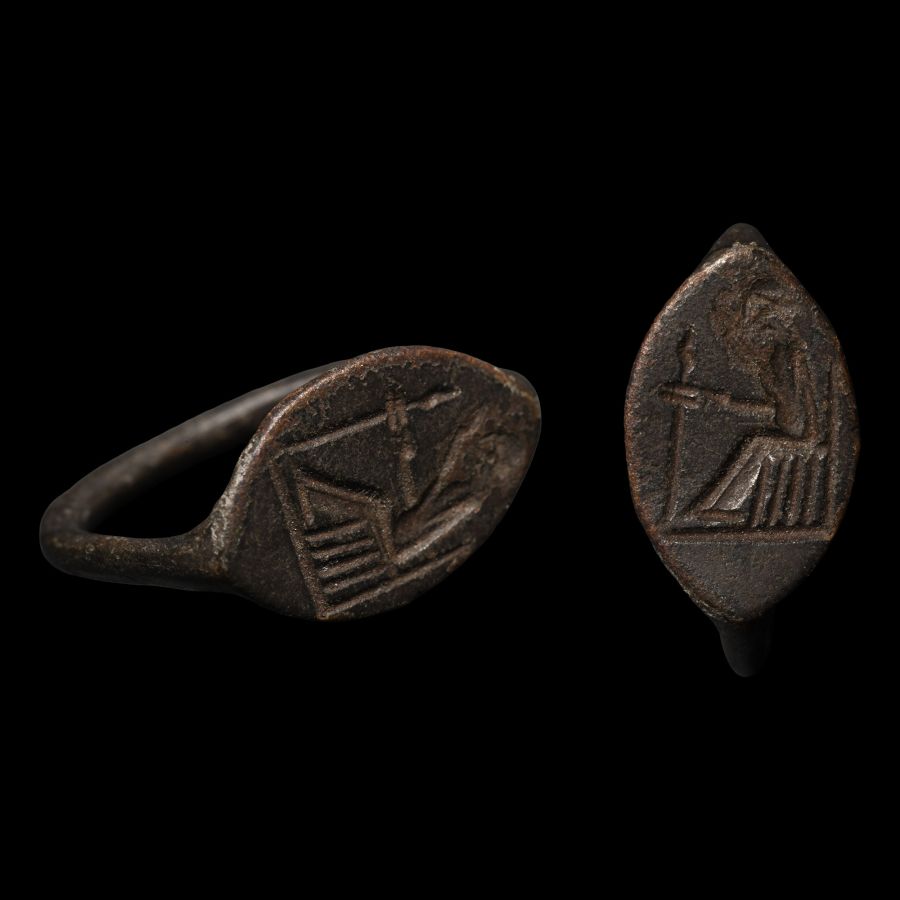
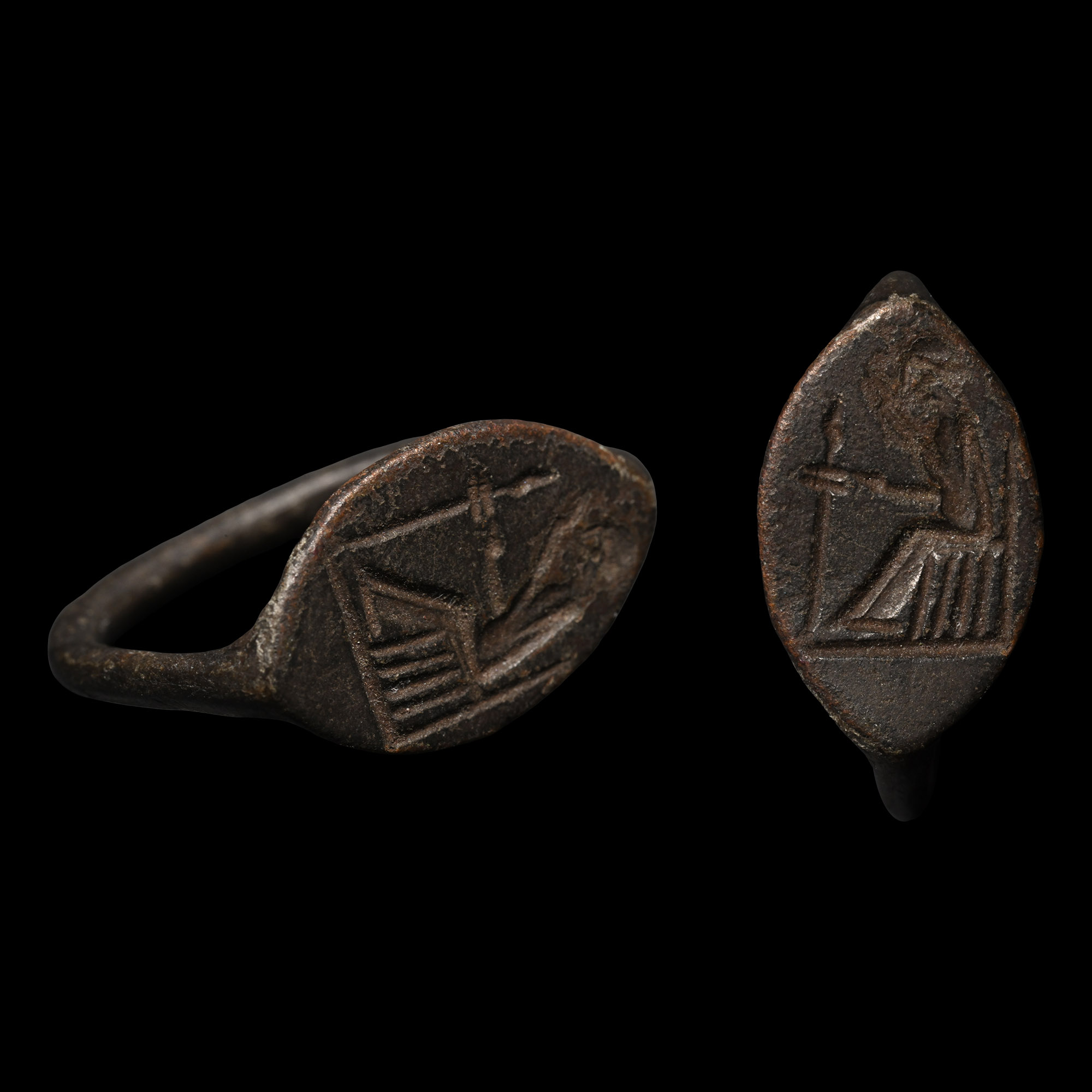
Large Greek Bronze Ring with Seated Figure
CIRCA 4TH-2ND CENTURY B.C.
1 in. (3.41 grams, 25.02 mm overall, 15.70 x 20.51 mm internal diameter (approximate size British O, USA 7, Europe 14.98, Japan 14)).
Featuring a slender round-section hoop and a large lentoid bezel with a seated figure holding a staff. [No Reserve]
ProvenanceFrom the private collection of a European gentleman (1942-2024), formed since the 1970s.
CONDITIONTimeLine Auctions follows a vetting process to ensure the authenticity and legality of all items, reinforcing our commitment to integrity and responsible trading. Each antiquity, antique, and coin lot undergoes thorough examination by a vetting committee of at least ten external specialists, professional trade association members, scientists, and archaeologists: Our Vetting Process
AUCTIONS:
TimeLine is a leading auction house specialising in antiquities, ancient art, collectables, natural history, coins, medals, and books. Our auctions offer museums, collectors, historians, and enthusiasts the opportunity to acquire unique and historically significant pieces.
-
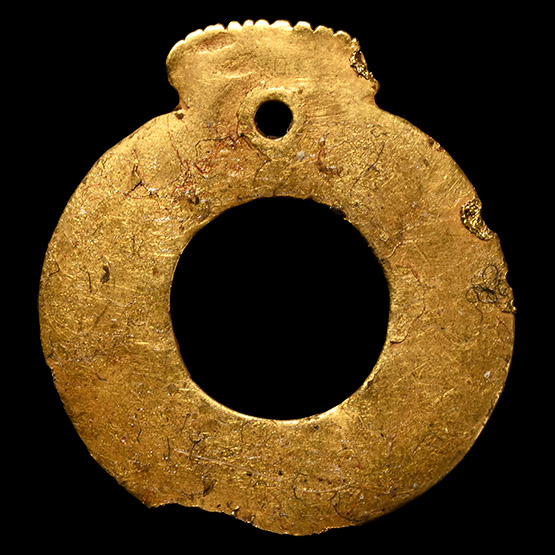
Greek Solid Gold Ring Idol
5th-4th millennium B.C.Sold for (Inc. bp): £2,860
Annular in form with pierced tab. 1.65 grams, 20 mm
Private collection, acquired in the late 1980s-early 1990s; thence by descent.
During the Greek Neolithic, certain types of ornaments share common morphological characteristics; one such example is the so-called ‘ring-idols’. The prototype of these ring-shaped pendants seems to have been made out of gold, which began to be used during these late phases of the Neolithic in Greece and the Balkans, in general. -
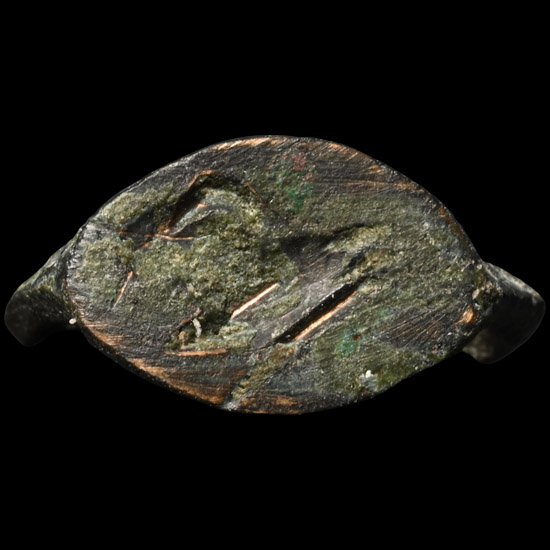
Greek Bronze Child's Ring
Circa 4th-2nd century B.C.Sold for (Inc. bp): £33
Featuring a slender round-section hoop and a lentoid bezel with a reclining ibex. 0.82 grams, 13.19 mm overall, 10.53 mm internal diameter
From the private collection of a European gentleman (1942-2024), formed since the 1970s. -
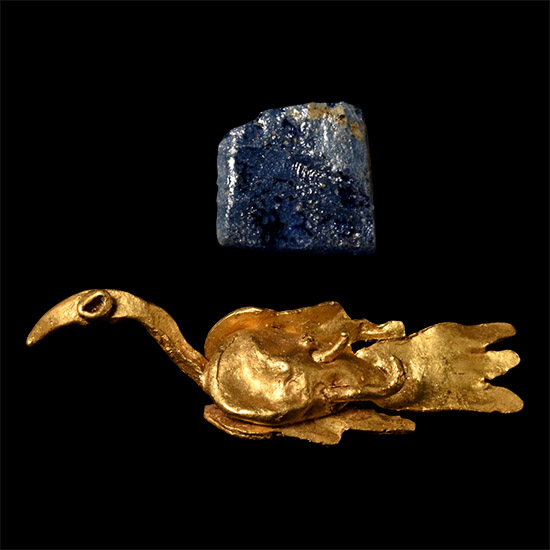
Greek Gold Amuletic Bird
5th-1st century B.C.Estimate: £1,500 - 2,000 (‡+bp*)
Opening Bid: £750
Comprising a sheet-gold hollow-formed avian figure with applied filigree detailing, and a separate beaked head; accompanied by a rectangular blue glass fragment. 0.57 grams, bird: 19 mm
Private collection, USA and Switzerland, acquired in the late 1980s-early 1990s; thence by descent.
