
Loading, please wait...
_900x900.jpg "Large Egyptian Stone Hieroglyphic Scarab for Amenhotep III")
_200x200.jpg "Large Egyptian Stone Hieroglyphic Scarab for Amenhotep III")
.jpg "Large Egyptian Stone Hieroglyphic Scarab for Amenhotep III")
LOT 0034
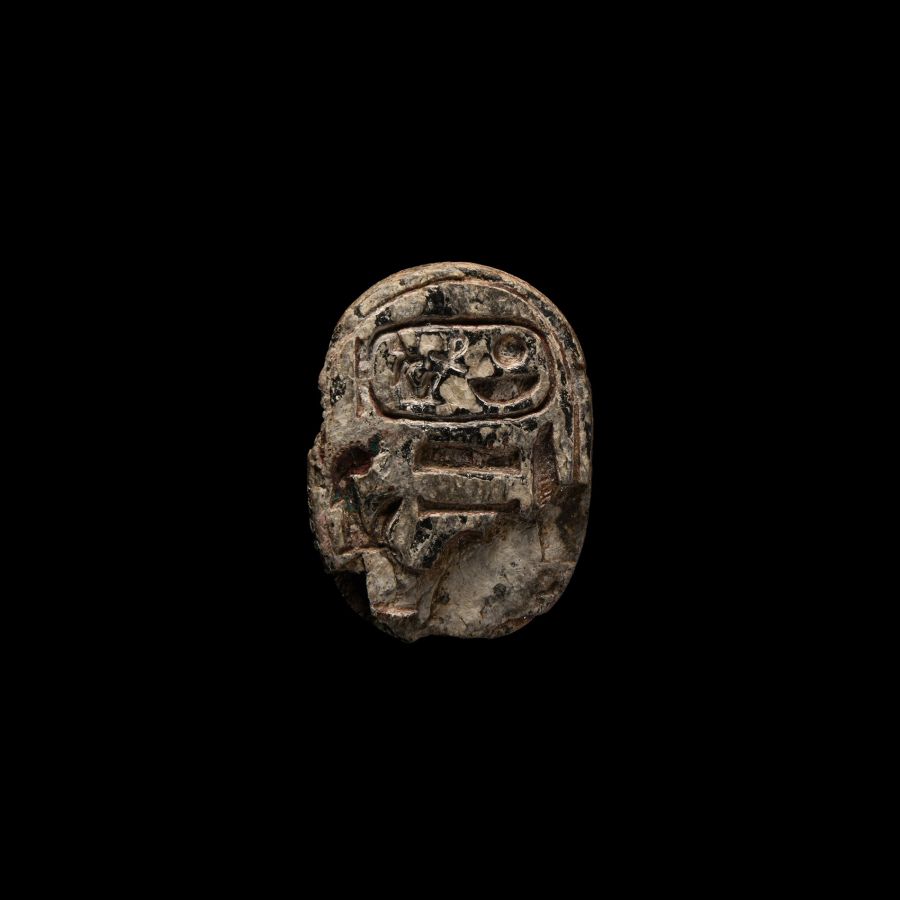
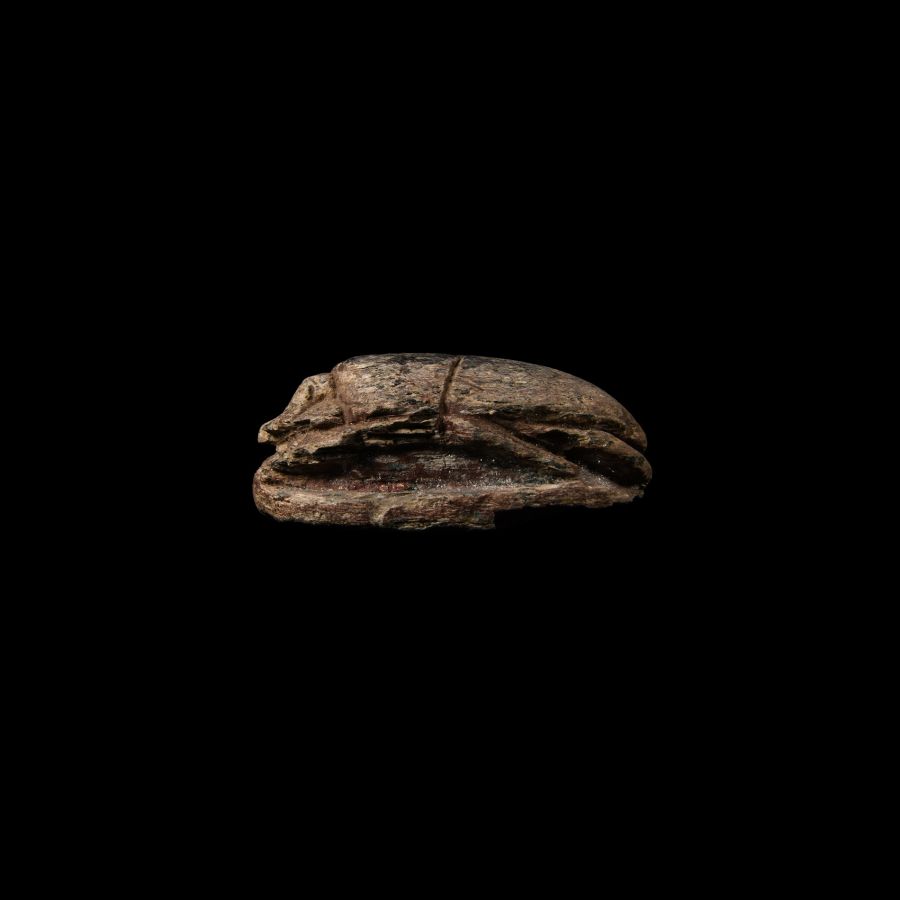
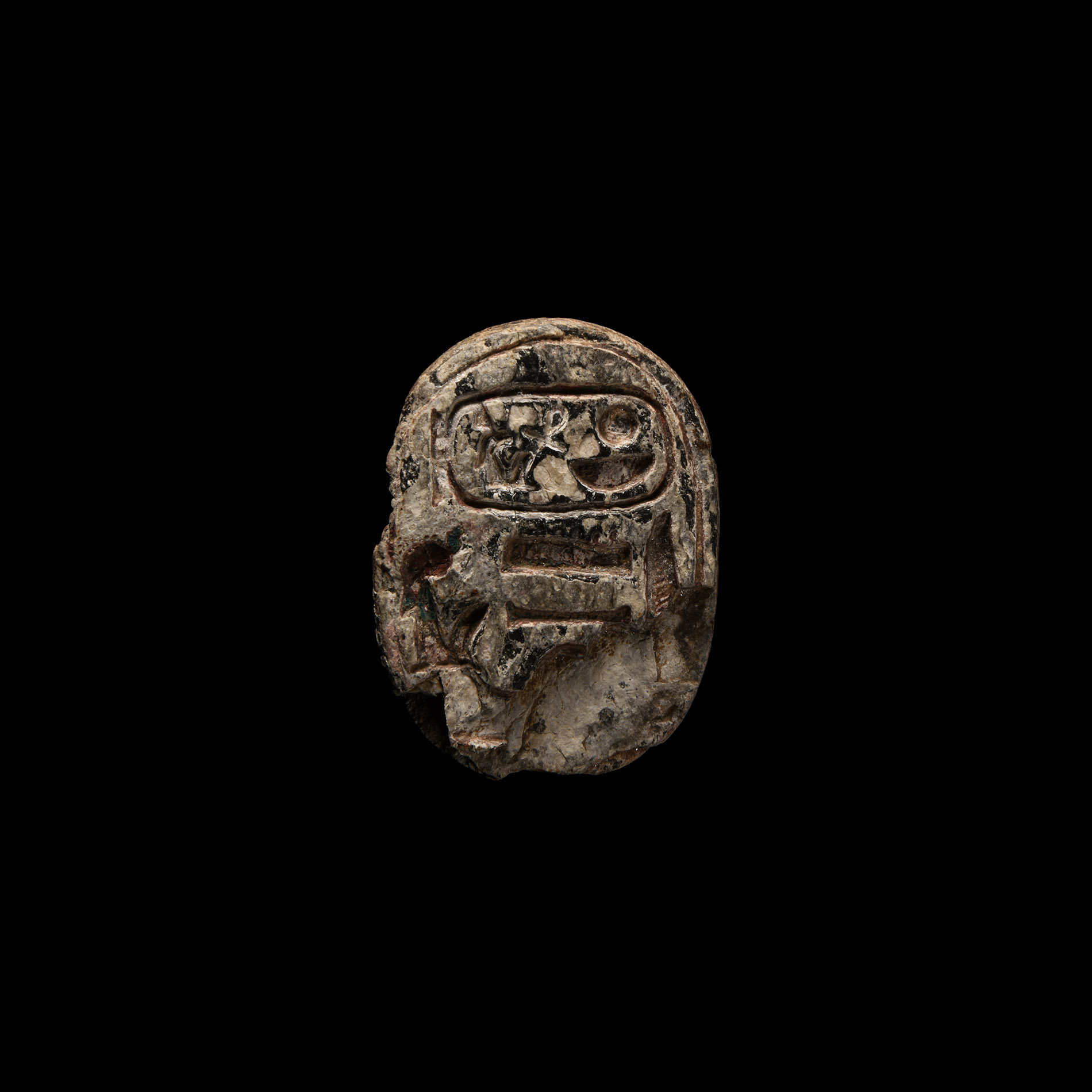
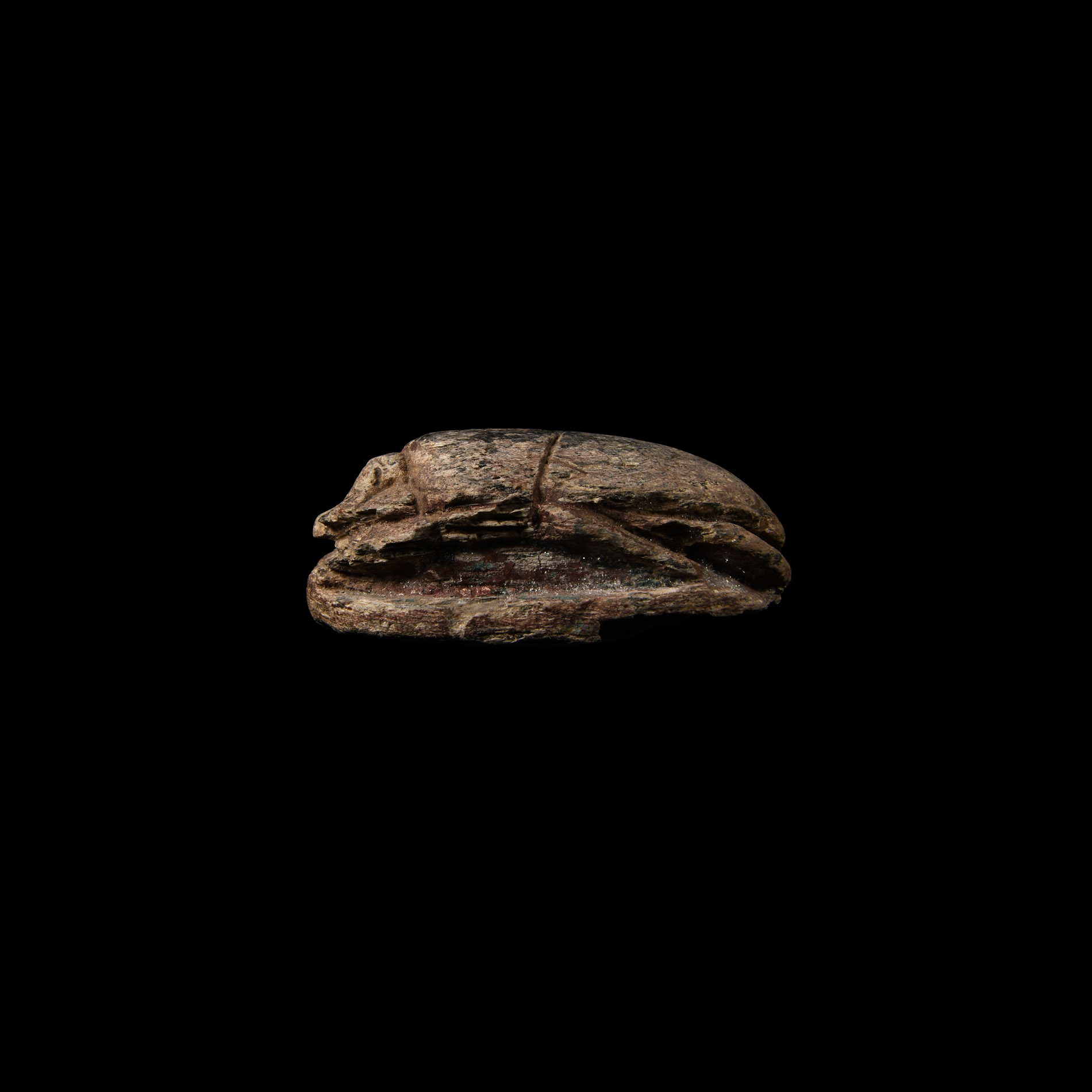
Large Egyptian Stone Hieroglyphic Scarab for Amenhotep III
NEW KINGDOM, 1386-1349 B.C.
1 3/4 in. (41 grams, 44 mm).
Naturalistically modelled with detailing to the upper body and legs; damaged base with the throne name 'neb-maat-re' of Amenhotep III in cartouche and the god's name Amun-Re below; pierced for suspension.
ProvenanceEx R. Liechti (1934-2010) Geneva, Switzerland, collection between 1950-1990s.
CONDITIONTimeLine Auctions follows a vetting process to ensure the authenticity and legality of all items, reinforcing our commitment to integrity and responsible trading. Each antiquity, antique, and coin lot undergoes thorough examination by a vetting committee of at least ten external specialists, professional trade association members, scientists, and archaeologists: Our Vetting Process
AUCTIONS:
TimeLine is a leading auction house specialising in antiquities, ancient art, collectables, natural history, coins, medals, and books. Our auctions offer museums, collectors, historians, and enthusiasts the opportunity to acquire unique and historically significant pieces.
LOT 0034
Large Egyptian Stone Hieroglyphic Scarab for Amenhotep III
Estimate £1,000 - 1,400€1,160 - 1,620 (for guidance only)$1,350 - 1,890 (for guidance only)
-
Egyptian Bronze Heket as Frog Statuette
Roman Period, 30 B.C.-323 A.D.Sold for (Inc. bp): £286
Modelled in the round with naturalistic detailing, with head raised. 35 grams, 28 mm
‘The Ancient Menagerie Collection’ formerly the property of a Cambridgeshire lady, collected since the 1990s and acquired from auctions and dealers throughout Europe and the USA, now ex London collection.
This may be a weight, since small bronze statuettes of various animals including frogs were used as counterbalances on scales. -
Egyptian Faience Amulet with Hieroglyphs
Second Intermediate Period, circa 1650 B.C.Sold for (Inc. bp): £442
Rectangular amuletic bead with hieroglyphic text to both faces, central cartouche to one face. 1.67 grams, 17 mm
From a family collection formed 1900-1950; by descent circa 1980. -
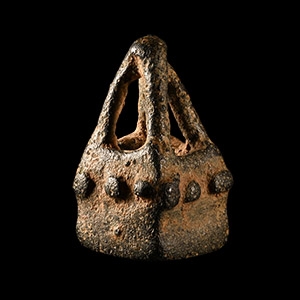
Phoenician Bronze Basket Weight
7th-5th century B.C.Sold for (Inc. bp): £104
The cuboid body with pellet ornament around the upper edge, openwork handles rising to a central point from four corners. 14.7 grams, 23 mm
Ex Simmons Gallery, London E11, UK, in the 1990s. From a North London collection.
