
Loading, please wait...
LOT 1564
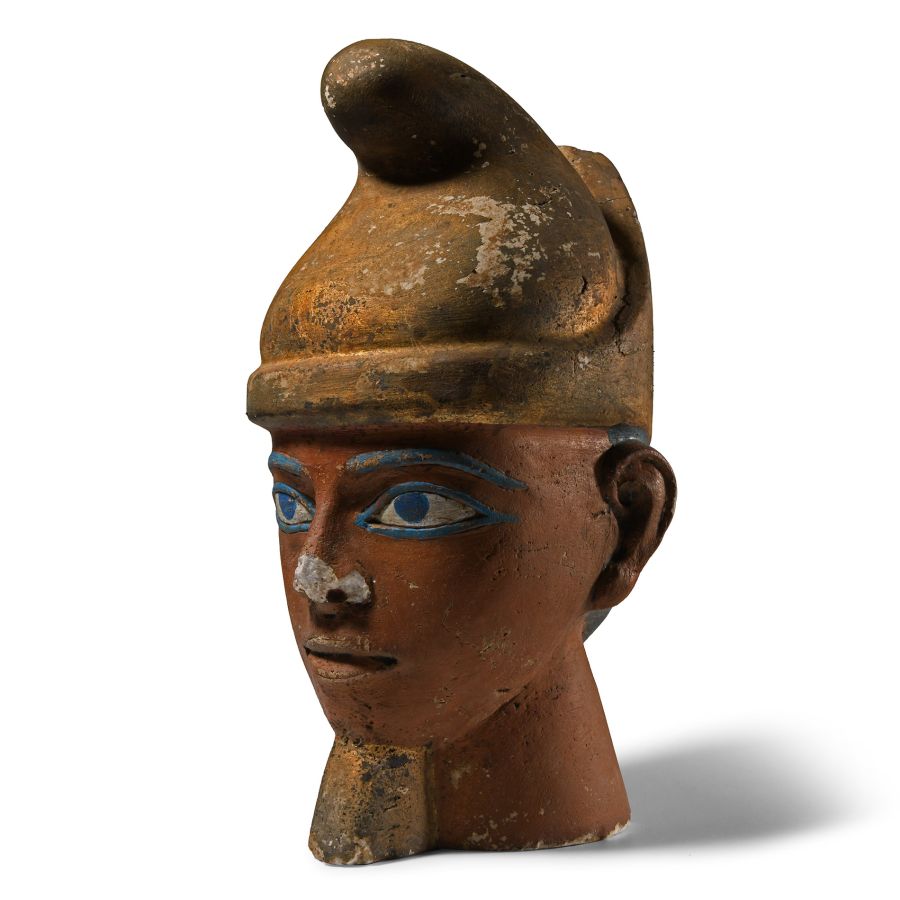
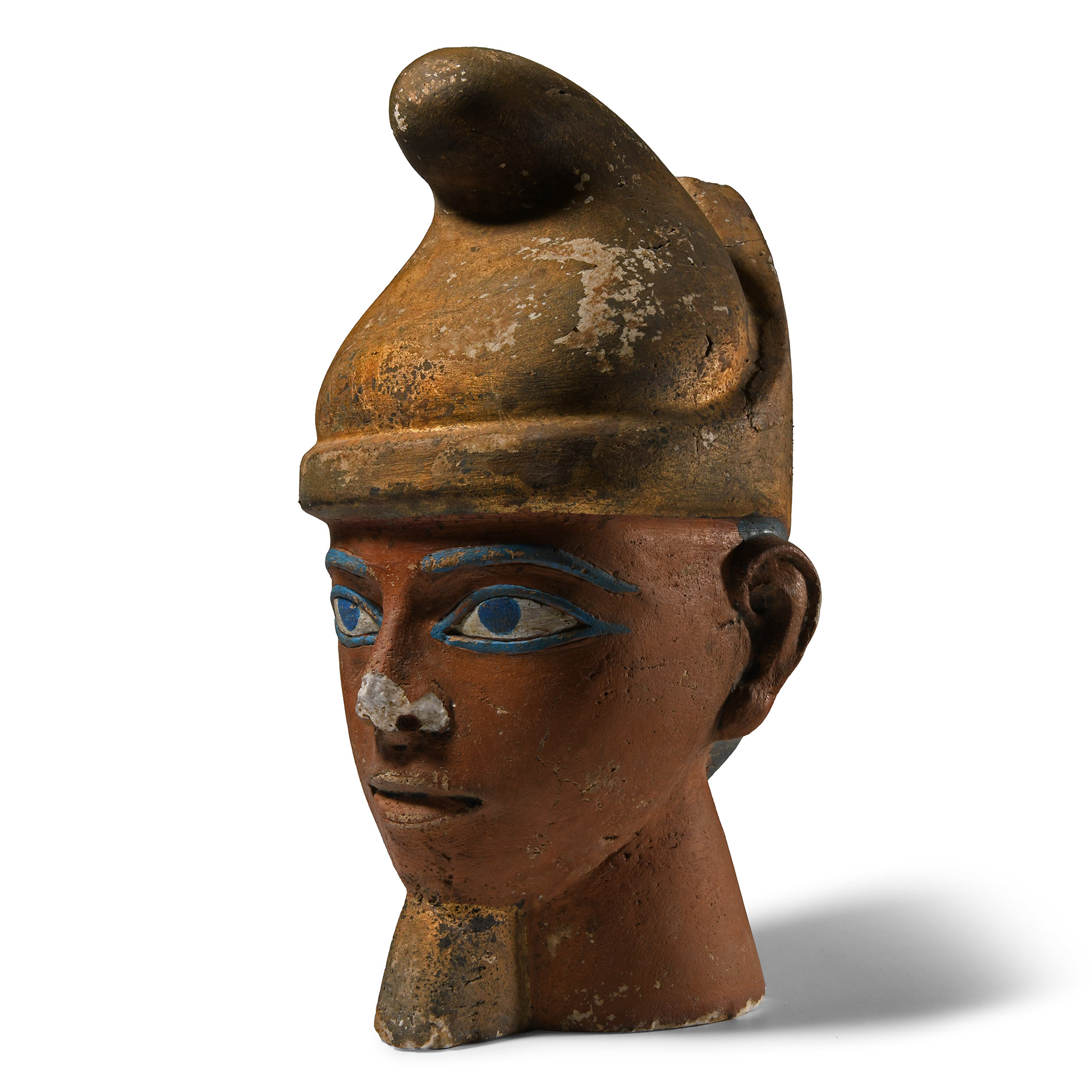
Large Egyptian Revival Painted Stone Statue
20TH CENTURY A.D.
16 in. (22.2 kg, 41 cm).
A substantial decorative designer bust depicting a male with hair tied at the nape of the neck and wearing the pschent double crown; after the antique. [No Reserve]
ProvenanceFrom a French collection, Paris.
Ex Parisian gallery, France; latterly with a London, UK, gallery.
TimeLine Auctions follows a vetting process to ensure the authenticity and legality of all items, reinforcing our commitment to integrity and responsible trading. Each antiquity, antique, and coin lot undergoes thorough examination by a vetting committee of at least ten external specialists, professional trade association members, scientists, and archaeologists: Our Vetting Process
AUCTIONS:
TimeLine is a leading auction house specialising in antiquities, ancient art, collectables, natural history, coins, medals, and books. Our auctions offer museums, collectors, historians, and enthusiasts the opportunity to acquire unique and historically significant pieces.
-
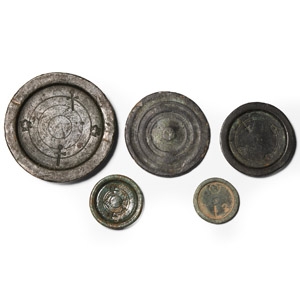
Georgian Bronze Trade Weight Collection
18th-early 19th century A.D.Sold for (Inc. bp): £13
Group of five disc weights with stamped markings, raised rim to obverse. 373 grams total, 25-60 mm
Ex Simmons Gallery, London E11, UK, in the 1990s. From a North London collection. -
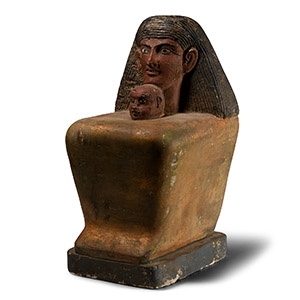
Large Egyptian Revival Painted Stone Statue
20th century A.D.Sold for (Inc. bp): £124
A substantial decorative designer figurine of a crouching figure in plain robe wearing a tripartite wig, with an infant on her lap; rectangular base; after the antique. 24.8 kg, 40 cm
From a French collection, Paris. Ex Parisian gallery, France; latterly with a London, UK, gallery. -
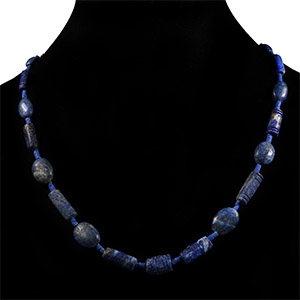
Bactrian Style Lapis Lazuli Bead Necklace String
20th century A.D.Sold for (Inc. bp): £65
Composed of graduated cylindrical and oval beads, some of the larger cylindrical beads with incised linear decoration. 39.4 grams, 62 cm long
Acquired 1980-2015. Ex Abelita family collection.
