
Loading, please wait...
LOT 0717
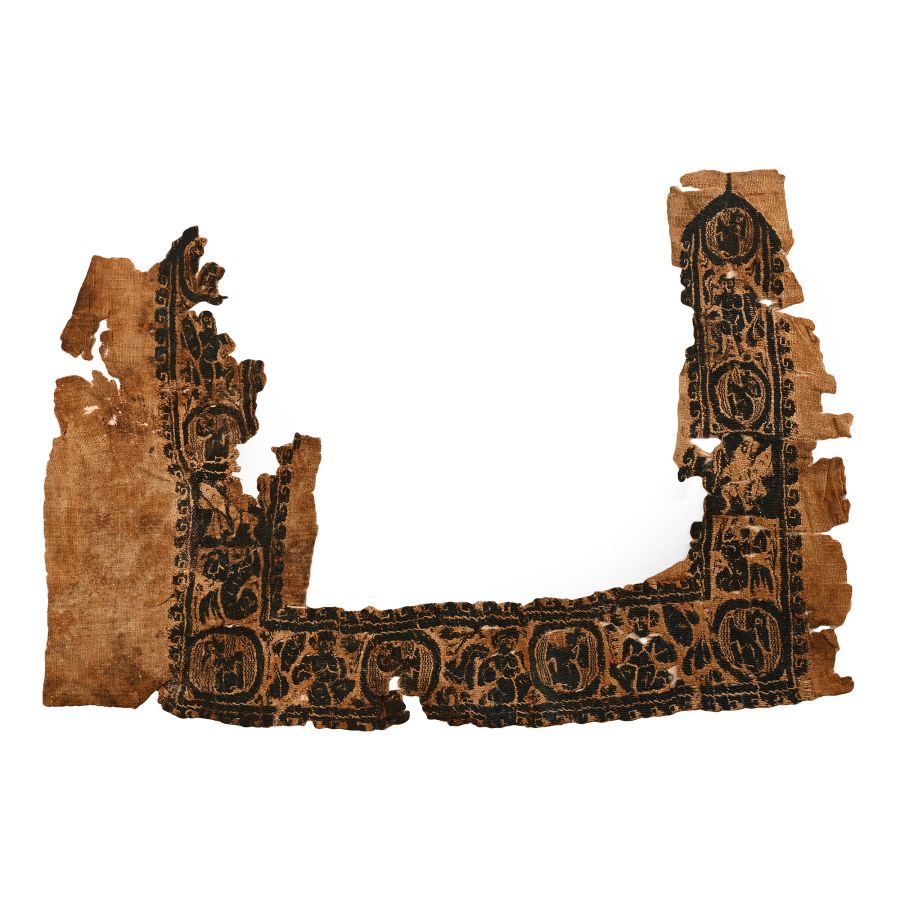
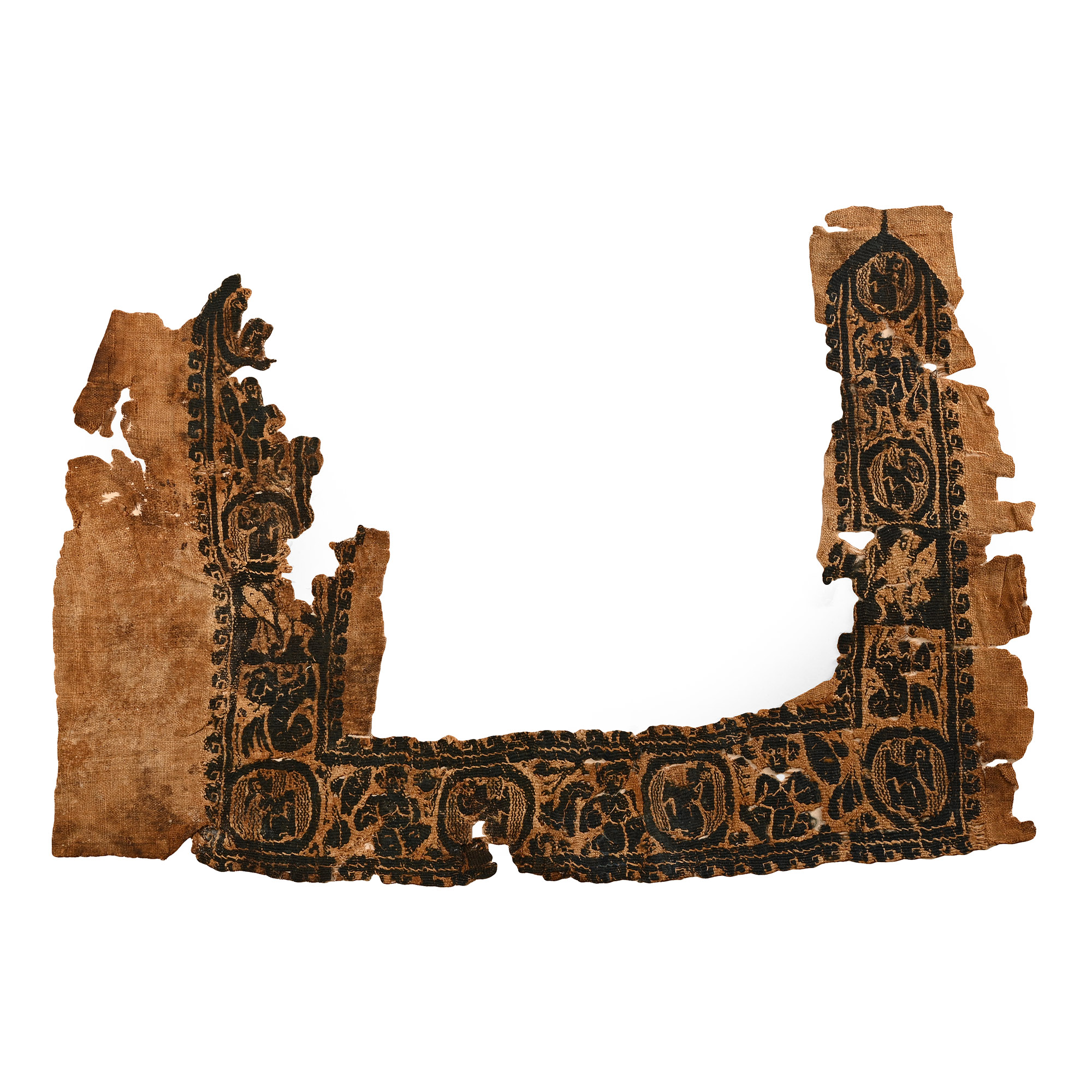
Large Egyptian Coptic Textile Fragment of a Tunic Embroidered with Putto Warriors and Hares
CIRCA 5TH-6TH CENTURY A.D.
19 1/2 in. (51 grams total including paper folder, 49.5 cm).
Decoration from the lower part of a tunic, featuring segmenta and clavi adorned with oval medallions (orbiculi) enclosing running hares and two nude, striding warrior figures facing in opposite directions, each holding a shield; white linen ground with tapestry-woven decoration, S-twist. [No Reserve]
ProvenanceAcquired 1970s-1996.
Property of a North American collector.
London collection, 2016.
Cf. Del Francia Barocas, L., Museo dell'Alto Medioevo, Roma, I materiali Copti, pp.98-99, no.11, for a similar textile.
FootnotesThe theme of rabbits or hares, in association with other characters and animals of the Dionysian thiasos in a hunting setting, has notable parallels. Such representations are linked to narratives of the Dionysian cycle.
CONDITIONTimeLine Auctions follows a vetting process to ensure the authenticity and legality of all items, reinforcing our commitment to integrity and responsible trading. Each antiquity, antique, and coin lot undergoes thorough examination by a vetting committee of at least ten external specialists, professional trade association members, scientists, and archaeologists: Our Vetting Process
AUCTIONS:
TimeLine is a leading auction house specialising in antiquities, ancient art, collectables, natural history, coins, medals, and books. Our auctions offer museums, collectors, historians, and enthusiasts the opportunity to acquire unique and historically significant pieces.
LOT 0717
Large Egyptian Coptic Textile Fragment of a Tunic Embroidered with Putto Warriors and Hares
Estimate £120 - 170€140 - 200 (for guidance only)$160 - 230 (for guidance only)
-
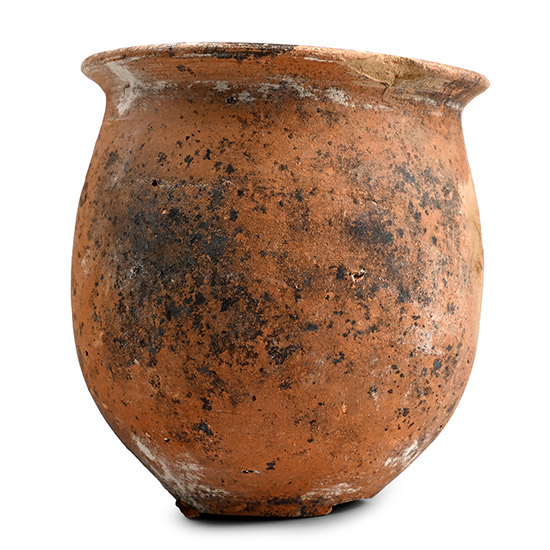
Egyptian Terracotta Jar
Roman Period, 30 B.C.-323 A.D.Estimate: £50 - 70 (+bp*)
Opening Bid: £5
Ovoid in profile with flared everted rim to the mouth; repaired. 140 grams, 85 mm
Acquired on the UK art market since the 1990s. From the property of a late Lincolnshire, UK, gentleman; thence by descent. -
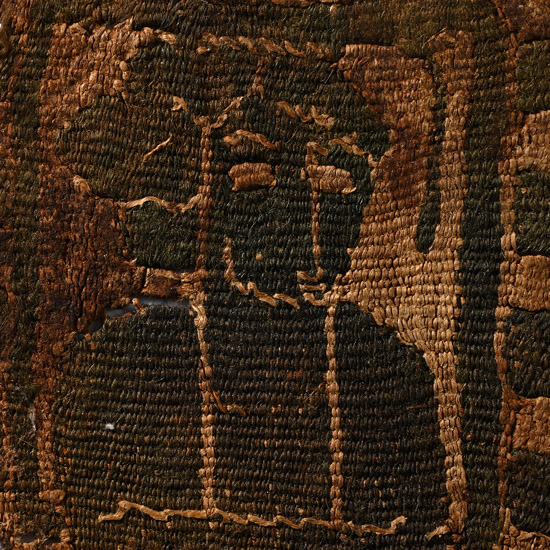
Egyptian Coptic Textile Fragment of a Tablion from a Tunic with Facing Bust
Circa 5th century A.D.Estimate: £60 - 80 (+bp*)
Bids: 1 | Current Bid: £5
In linen and wool, showing the half-bust of a man clad in tunica paragaudata, borders with geometric decorations. 4.68 grams, 10 cm
Acquired 1970s-1996. Property of a North American collector. London collection, 2016.
The tabula, or tablion, was a square embroidery used to decorate tunics or mantles. This one, interestingly, shows a man dressed in the typical late Roman tunic, featuring the image of a soldier or military servant. -
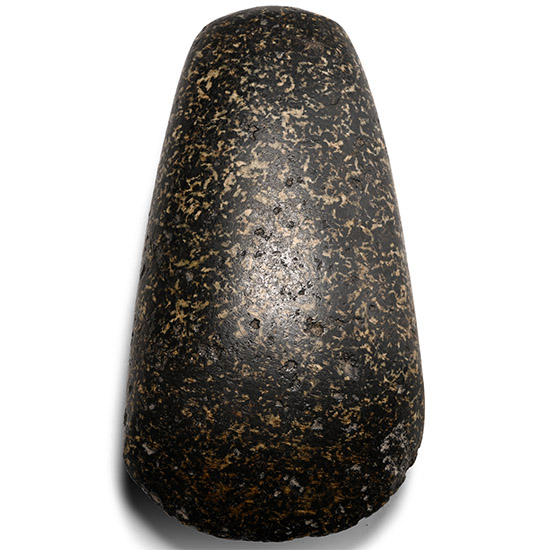
Egyptian Stone Age Diorite Polished Axehead
Early Dynastic Period, circa 3,000 B.C.Estimate: £400 - 600 (+bp*)
Bids: 1 | Current Bid: £5
Polished to a high standard with curved cutting edge. 551 grams, 12.7 cm
Acquired Glyn Antiques, Portabello Road, 26 November 1960, for £2.00. From the private collection of Peter Clayton, FCILIP, Dip, Arch, FSA, FRNS, Hemel Hempstead, Hertfordshire, UK; formed since the late 1950s. Accompanied by an old handwritten information card by Peter Clayton, collection no.78.
The great British Egyptologist Flinders Petrie recovered numerous polished stone axes from various sites in Egypt. Flint was rarely used, though it was popular for other tools. Instead, other hardstones were favoured (Petrie, W.M.F., Prehistoric Egypt, London, 1920, p. 24, for a brief discussion; pl. XXVII, for illustrated examples).
