
Loading, please wait...
LOT 0565
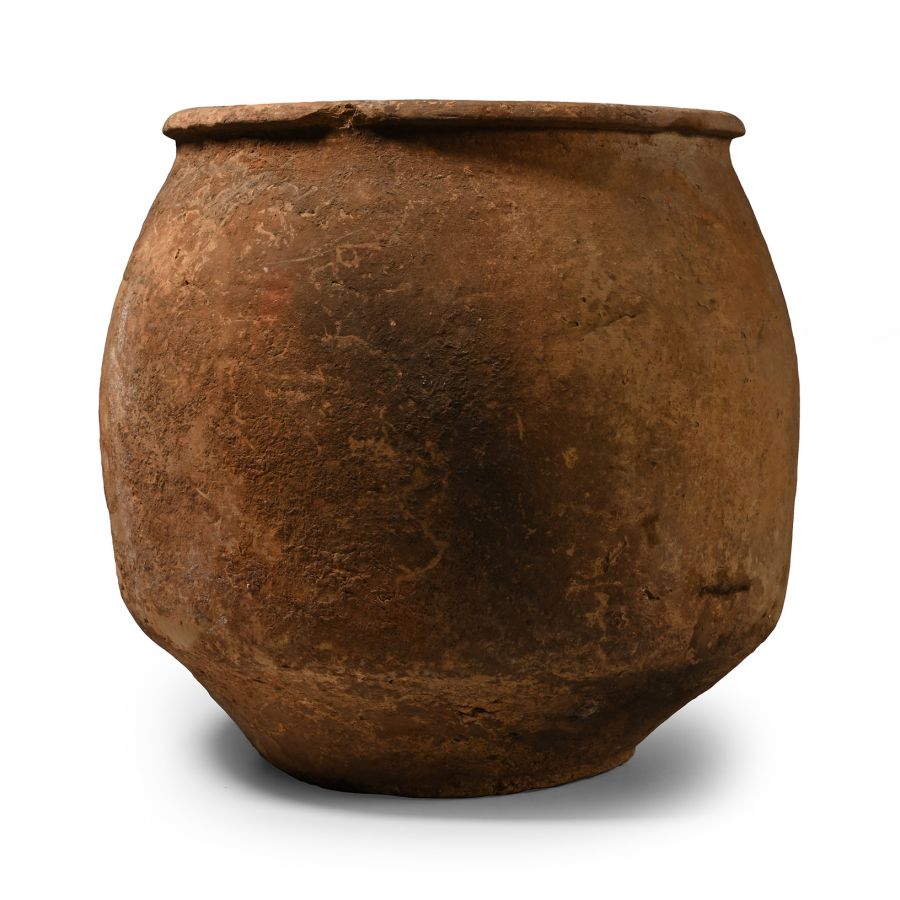
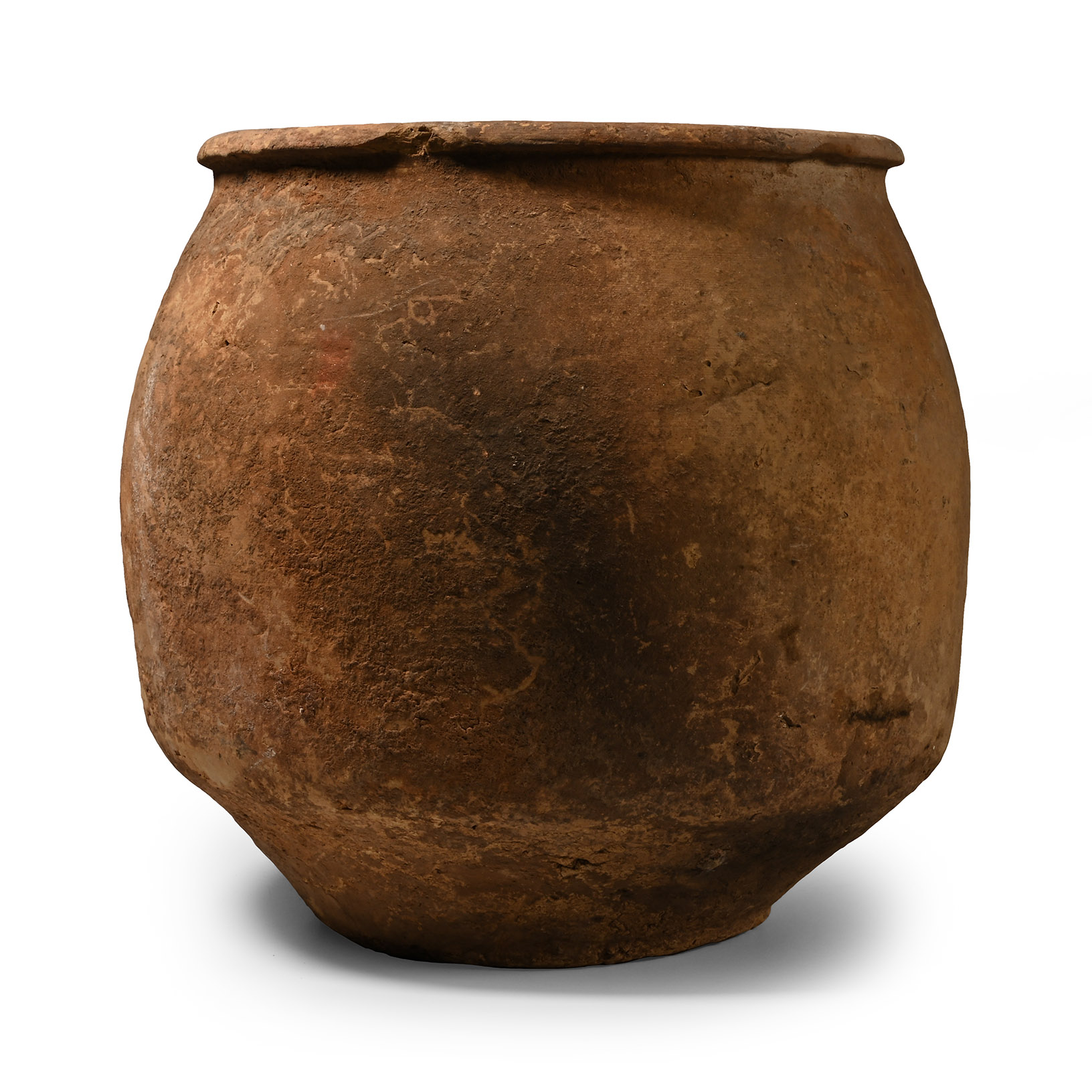
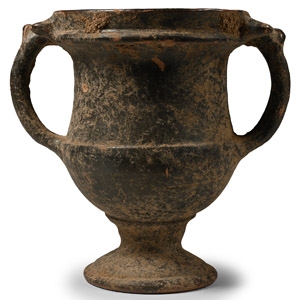
Large Cypriot Buff Ware Storage Bowl
IRON AGE, CYPRO-GEOMETRIC, CIRCA 950-850 B.C.
8 in. (2.3 kg, 20.5 cm high).
Drum-shaped in profile with carination above the foot, rolled rim to the mouth; chipped. [No Reserve]
ProvenanceFrom a collection acquired on the UK art market from various auction houses and collections mostly before 2000.
From an important Cambridgeshire estate; thence by descent.
TimeLine Auctions follows a vetting process to ensure the authenticity and legality of all items, reinforcing our commitment to integrity and responsible trading. Each antiquity, antique, and coin lot undergoes thorough examination by a vetting committee of at least ten external specialists, professional trade association members, scientists, and archaeologists: Our Vetting Process
AUCTIONS:
TimeLine is a leading auction house specialising in antiquities, ancient art, collectables, natural history, coins, medals, and books. Our auctions offer museums, collectors, historians, and enthusiasts the opportunity to acquire unique and historically significant pieces.
-
.jpg)
Minoan Stone Vessel
2nd millennium B.C.Sold for (Inc. bp): £1,690
Of conical profile with raised ropework detailing to the broad shoulder. 1.48 kg, 14.6 cm wide
Private European collection, 1992. Thence by descent. This lot has been checked against the Interpol Database of stolen works of art and is accompanied by a search certificate number no.12086-218214. -
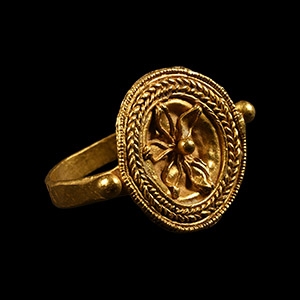
Greek Gold Ring with Rosette and Filigree
5th-4th century B.C.Estimate: £2,000 - 3,000 (‡+bp*)
Opening Bid: £1,000
With granule to each shoulder, discoid bezel with beaded wire rim, ropework band and central cinquefoil motif. 6.37 grams, 25.62 mm overall, 22.66 mm internal diameter (approximate size British R 1/2, USA 8 3/4, Europe 19.38, Japan 18)
Acquired in the mid 1980s-1990s. Private collection, Switzerland, thence by descent. Private collection, since the late 1990s. This lot has been checked against the Interpol Database of stolen works of art and is accompanied by a search certificate number no.12388-226931. -
South Italian Terracotta Amphora
4th century B.C.Sold for (Inc. bp): £156
Black-glazed, biconvex in profile with carination to the equator, domed foot, flange collar below the rounded rim, lateral bifid strap handles. 271 grams, 13 cm
Acquired in the mid 1980s-1990s. Private collection, Switzerland, thence by descent. Private collection, since the late 1990s.
