
Loading, please wait...
LOT 2912
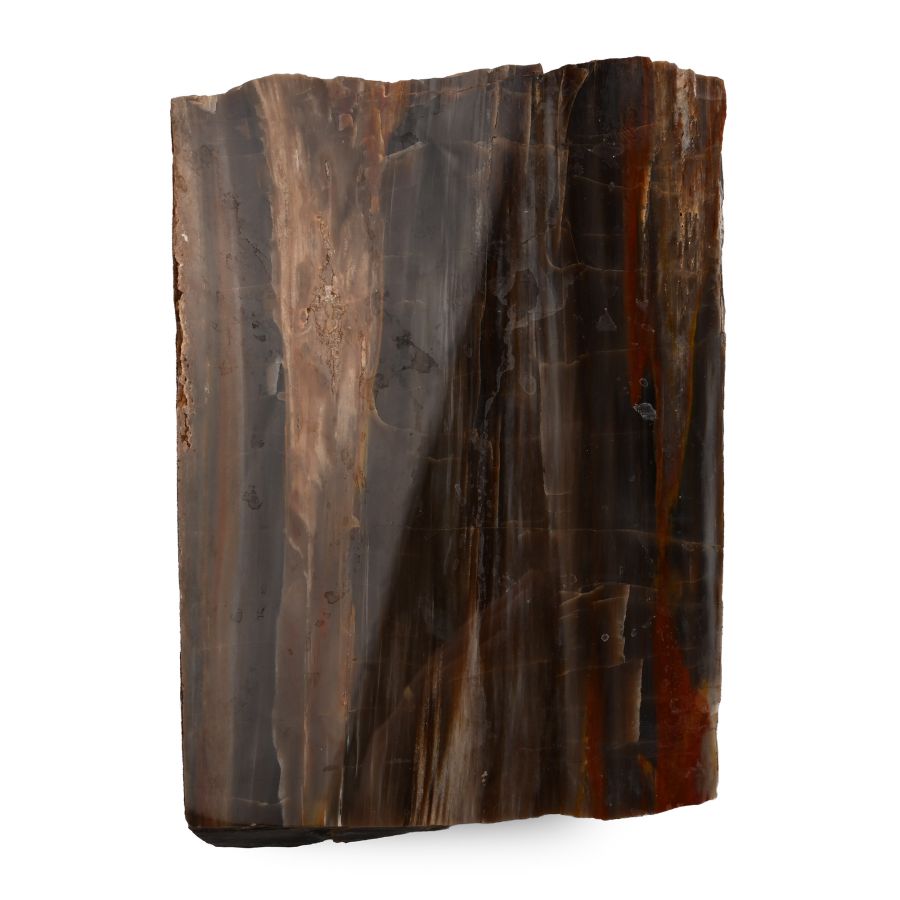
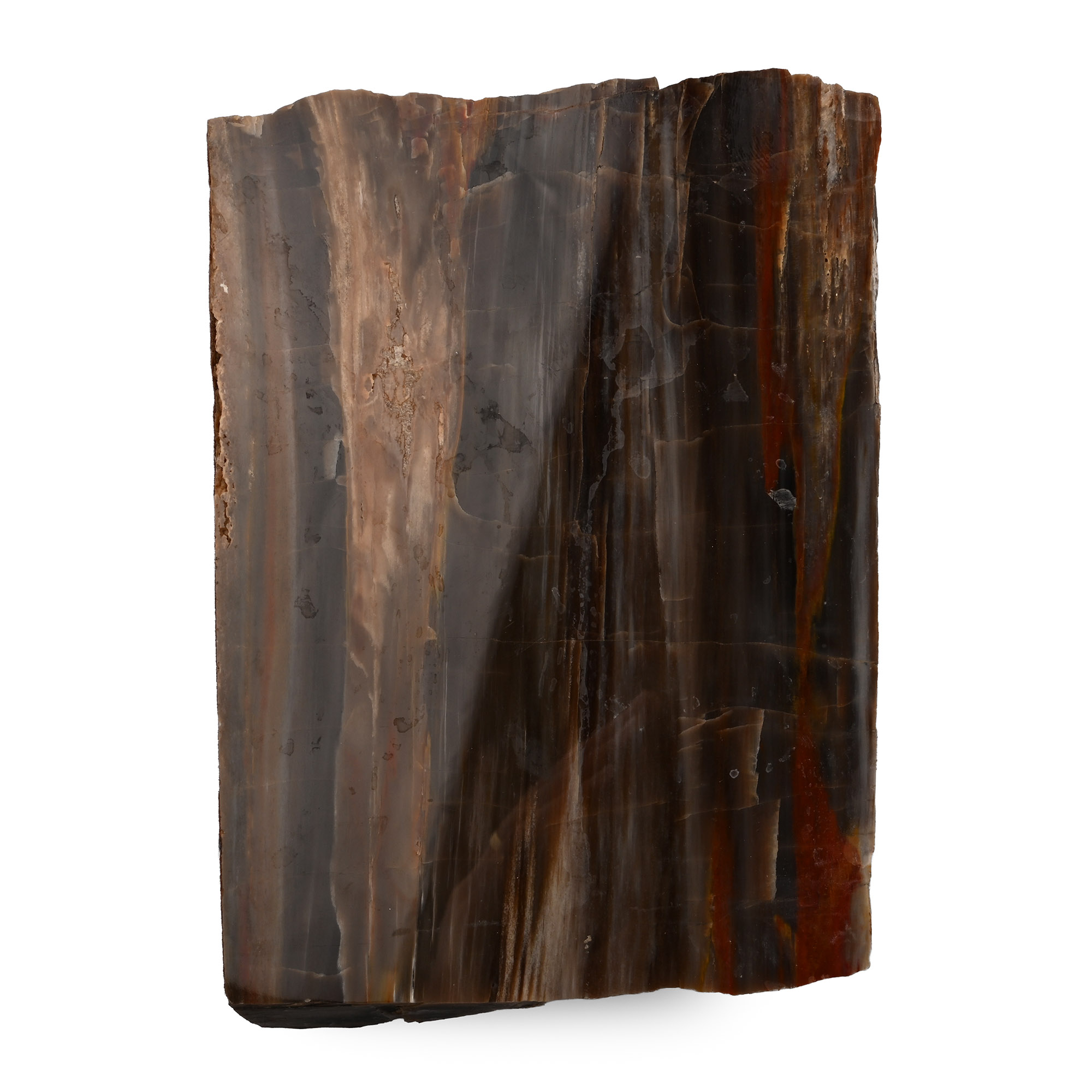
Large Cut and polished Petrified Fossil Tree Trunk Specimen
LATE TRIASSIC PERIOD, CIRCA 225 MILLION YEARS B.P.
6 1/2 in. (1.9 kg, 17 cm).
Cut along the grain, with good exposure of the individual grain modules, probably from Madagascar. [No Reserve]
ProvenanceFrom the property of a Scottish geologist.
Previously with a Surrey, UK, geologist.
Ex Dr Ron Bonewitz collection.
Property of a Cheshire, UK, gentleman.
TimeLine Auctions follows a vetting process to ensure the authenticity and legality of all items, reinforcing our commitment to integrity and responsible trading. Each antiquity, antique, and coin lot undergoes thorough examination by a vetting committee of at least ten external specialists, professional trade association members, scientists, and archaeologists: Our Vetting Process
AUCTIONS:
TimeLine is a leading auction house specialising in antiquities, ancient art, collectables, natural history, coins, medals, and books. Our auctions offer museums, collectors, historians, and enthusiasts the opportunity to acquire unique and historically significant pieces.
LOT 2912
Large Cut and polished Petrified Fossil Tree Trunk Specimen
Sold for (Inc. bp): £26
-
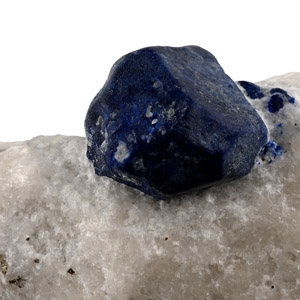
Lazurite Mineral Display Specimen
Sold for (Inc. bp): £46
Dark blue lazurite on matrix. 129 grams, 74 mm
Property of a North West London, UK, lady. -
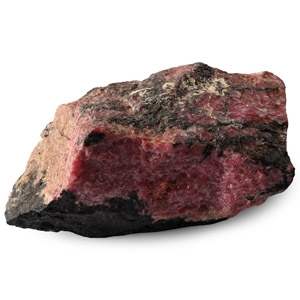
Rhodonite Boulder Mineral Display Specimen
Sold for (Inc. bp): £33
Rough boulder showing vibrant pink manganese inosilicate with contrasting black manganese oxide veining. 1.81 kg, 16 cm
Property of a North West London, UK, lady. -
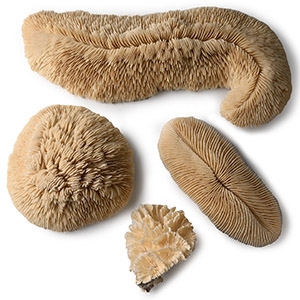
Mushroom and Lettuce Coral Collection
Sold for (Inc. bp): £20
Comprising one lettuce coral specimen and three mushroom coral specimens. 1.19 kg total, 10.4-33 cm
From the private collection of Kenneth Machin (1936-2020), Buckinghamshire, UK; his collection of antiquities and natural history was formed since 1948; thence by descent.
N.B. This lot is for UK buyers only.
