
Loading, please wait...
LOT 2281
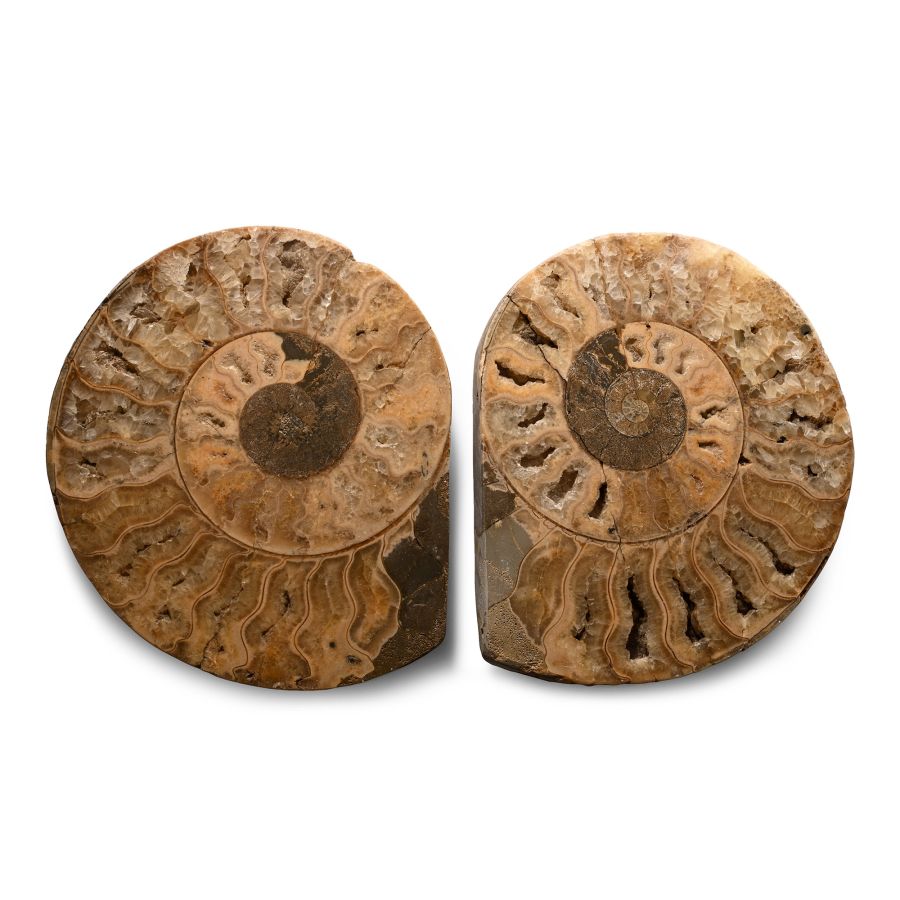
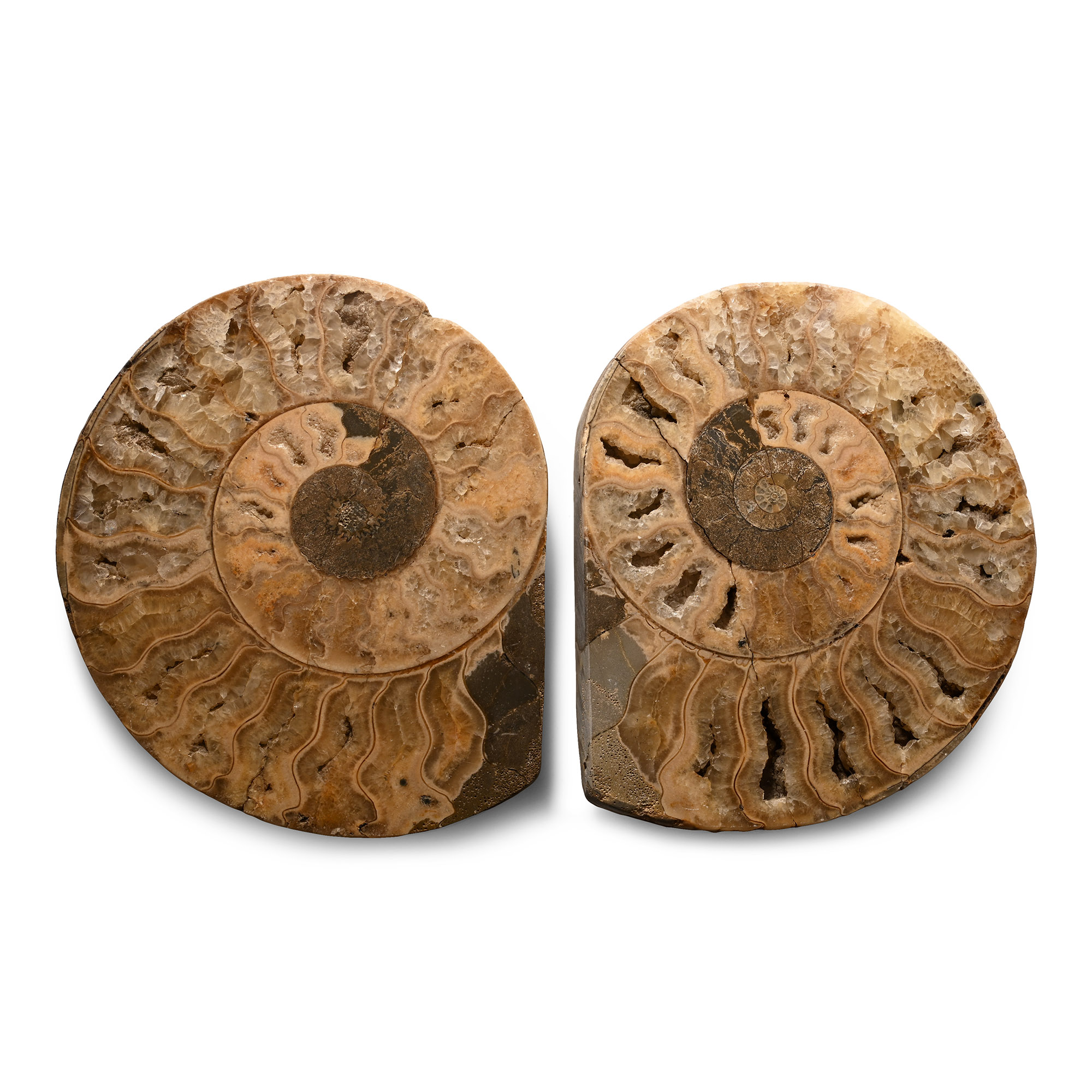
Large Cut and Polished Fossil Ammonite Halves
JURASSIC PERIOD, CIRCA 199-145 MILLION YEARS B.P.
9 1/4 - 9 1/2 in. (3.77 kg total, 23.5-24 cm).
Each with a cut base and polished internal face showcasing the internal gas chambers of the ammonite. [2, No Reserve]
ProvenanceFrom Madagascar.
From the private collection of a Devon, UK, lady.
TimeLine Auctions follows a vetting process to ensure the authenticity and legality of all items, reinforcing our commitment to integrity and responsible trading. Each antiquity, antique, and coin lot undergoes thorough examination by a vetting committee of at least ten external specialists, professional trade association members, scientists, and archaeologists: Our Vetting Process
AUCTIONS:
TimeLine is a leading auction house specialising in antiquities, ancient art, collectables, natural history, coins, medals, and books. Our auctions offer museums, collectors, historians, and enthusiasts the opportunity to acquire unique and historically significant pieces.
-
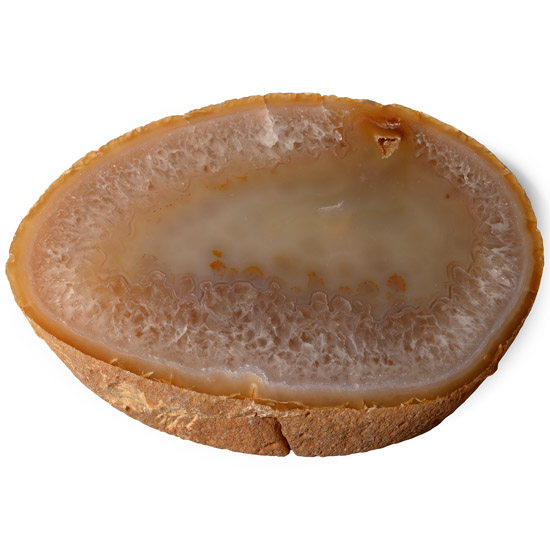
Large Cut and Polished Yellow Agate Crystal Geode Slice Artefact Base
Sold for (Inc. bp): £26
Oval section of light brown agate geode showing some quartz crystal formations. 824 grams, 18.7 cm
From Brazil. Ex Mineral Imports, London, UK. Gregory, Bottley & Lloyd (Gregory's), Harwich, UK. -
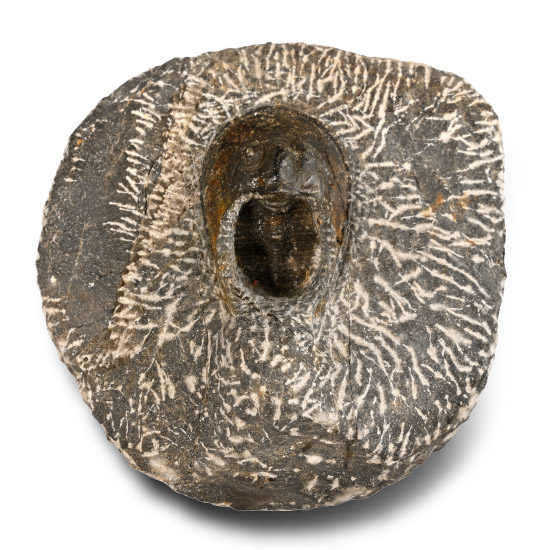
Fossil Harpes Trilobite in Matrix
Middle Devonian Period, circa 380 million years B.P.Sold for (Inc. bp): £26
With an ovate cephalon and an outer bilaminar brim extending posteriorly to long genal prolongations. 475 grams, 99 mm
From the private collection of Kenneth Machin (1936-2020), Buckinghamshire, UK; his collection of antiquities and natural history was formed since 1948; thence by descent. -
.jpg)
Sericho Meteorite Cross-Section
Circa 4.5 billion years B.P.Sold for (Inc. bp): £11,050
A spectacular polished slice displaying the characteristic crystalline structure of pallasites, with translucent amber-coloured olivine crystals suspended in a shimmering metallic iron-nickel matrix; accompanied by a custom-made display stand. 1.3 kg, 48.5 cm
Discovered in Isiolo County, Eastern Kenya, 2016. Private collection, USA.
Comprising 0.2% of all meteorites, pallasites are the rarest and most aesthetic examples and are highly sought after by collectors and museums. This cross-section reveals their mesmerising internal structure, consisting of translucent amber-coloured olivine crystals suspended in a shimmering iron-nickel matrix which has been polished to a mirror finish. Of all known pallasites, Sericho is especially renowned for its high concentration of olivine, often displaying hues of orange, yellow and green when spotlit or in direct sunlight. Cross-sections of this scale and integrity are particularly rare. While prized for their beauty, Sericho meteorites are also notoriously prone to oxidation if not treated correctly. This piece has been carefully prepared, resulting in a stable specimen that retains both its visual clarity and structural integrity.
