
Loading, please wait...
LOT 1746
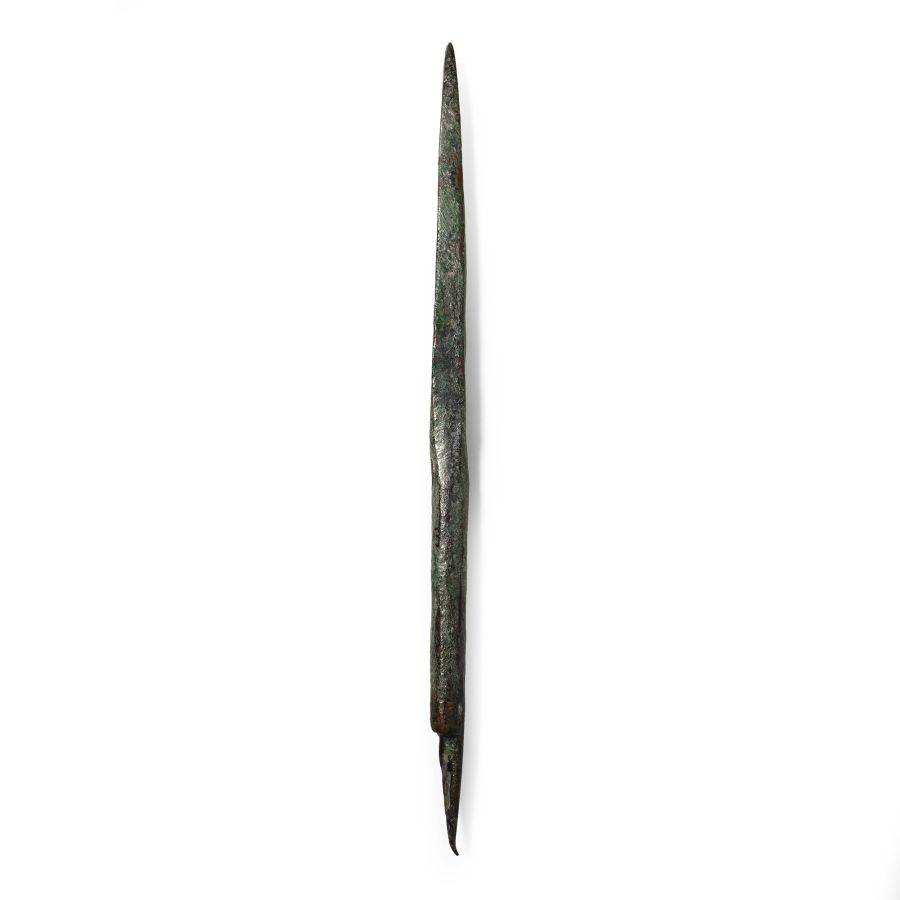
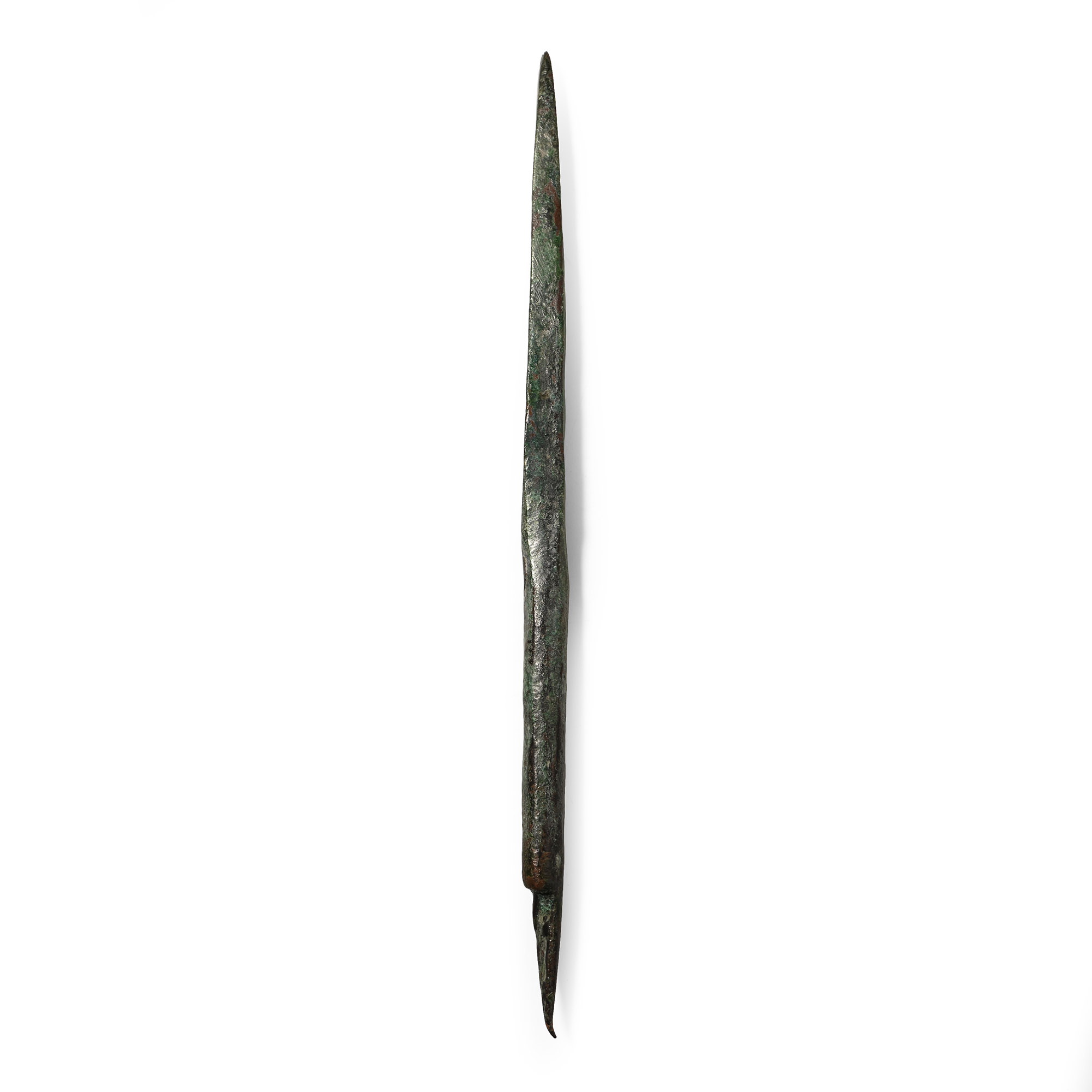
Large Bronze Age Awl or Drilling Tool
2ND-1ST MILLENNIUM B.C.
5 1/8 in. (21.4 grams, 13 cm).
Rectangular-section tapering bar with one end modified to form a slender spike. [No Reserve]
ProvenanceEx German art market, 2000s.
Acquired from an EU collector living in London.
From the collection of a Surrey, UK, gentleman.
TimeLine Auctions follows a vetting process to ensure the authenticity and legality of all items, reinforcing our commitment to integrity and responsible trading. Each antiquity, antique, and coin lot undergoes thorough examination by a vetting committee of at least ten external specialists, professional trade association members, scientists, and archaeologists: Our Vetting Process
AUCTIONS:
TimeLine is a leading auction house specialising in antiquities, ancient art, collectables, natural history, coins, medals, and books. Our auctions offer museums, collectors, historians, and enthusiasts the opportunity to acquire unique and historically significant pieces.
-
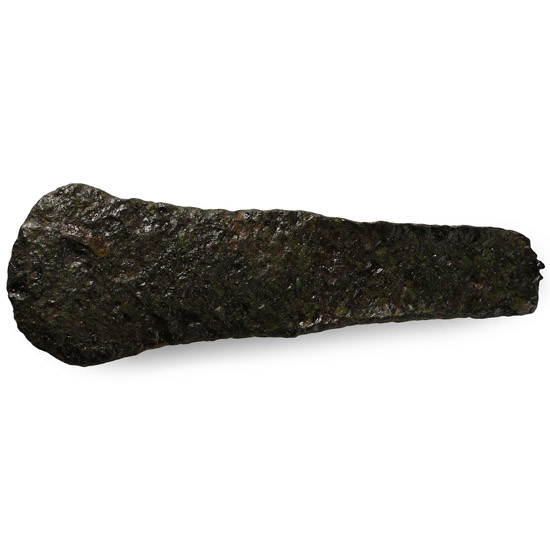
Bronze Age Flanged Flat Axehead
2nd millennium B.C.Sold for (Inc. bp): £65
With shallow flanges on both faces and a curved cutting edge. 177 grams, 13.7 cm
From the private collection of a Sussex, UK, gentleman. -
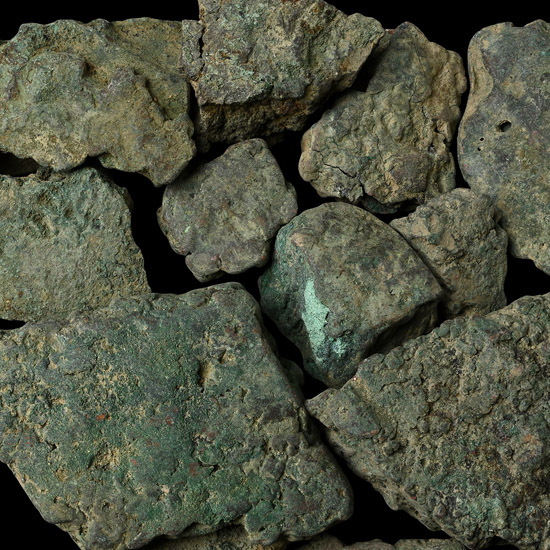
Bronze Age Smith's 'Pancake Ingot' Fragment Group
2nd-1st millennium B.C.Sold for (Inc. bp): £85
Comprising eleven ingots in various sizes and shapes. 3.63 kg total, 3.5-10.5 cm
From a UK collection formed in the 1980s. Property of an Essex, UK, gentleman. -
.jpg)
Bronze Age Ring with Scrolled Terminals
Early 1st millennium B.C.Sold for (Inc. bp): £52
Comprising a flat-section penannular hoop with scrolled finials. 1.57 grams, 19.40 mm overall, 17.92 mm internal diameter (approximate size British I 1/2, USA 4 1/2, Europe 8.07, Japan 7)
Acquired on the UK and EU art market before 2000. From the private collection of a Surrey, UK, gentleman.
Such rings, made of a twisted bar with smooth or spiral-shaped ends, are quite rare and are typically found in men’s graves. They may have been a sign of chieftainship. However, the small dimensions of the ring may suggest that the ring once belonged to an aristocratic child.
