
Loading, please wait...
LOT 1279
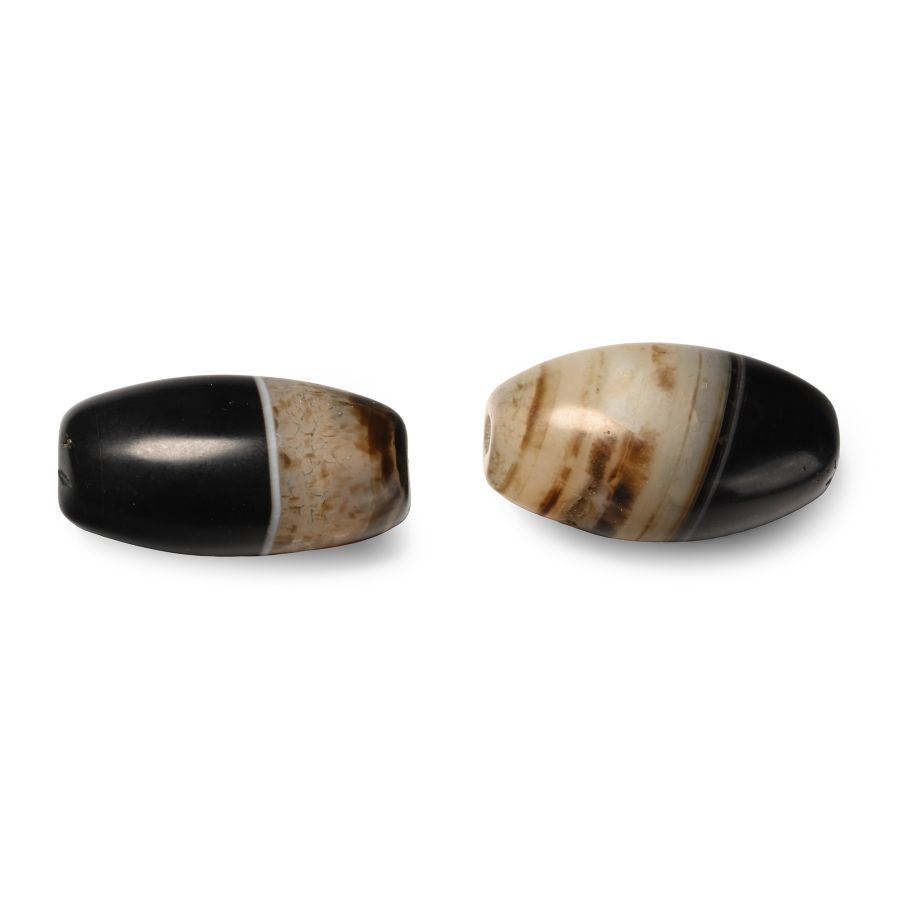
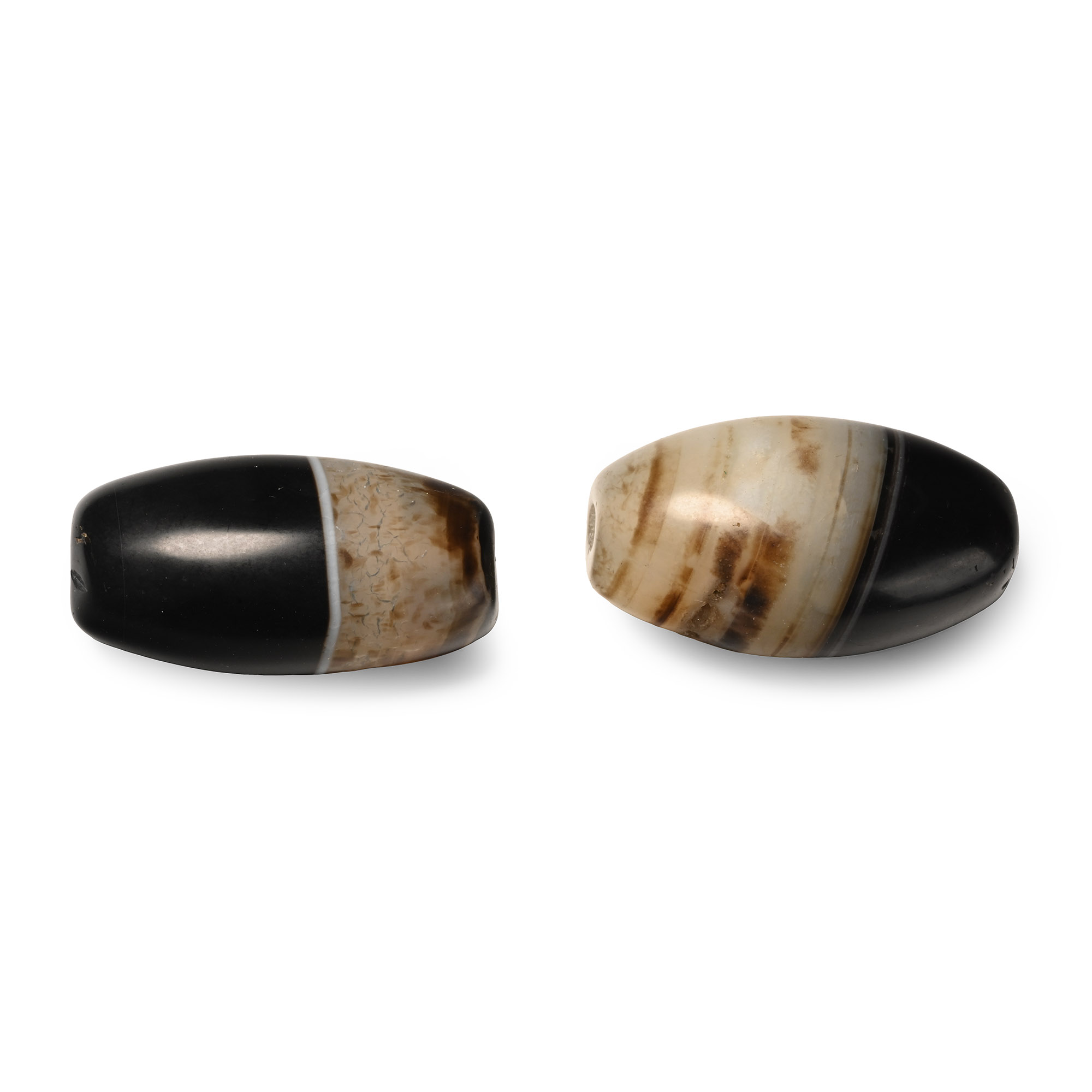
Large Bactrian Banded Agate Bead Pair
CIRCA 1ST MILLENNIUM B.C.-EARLY 1ST MILLENNIUM A.D.
1 1/2 in. (53 grams total, 40 mm).
Of oval shape, pierced longitudinally. [2]
ProvenanceAcquired on the UK art market.
Private collection, England.
TimeLine Auctions follows a vetting process to ensure the authenticity and legality of all items, reinforcing our commitment to integrity and responsible trading. Each antiquity, antique, and coin lot undergoes thorough examination by a vetting committee of at least ten external specialists, professional trade association members, scientists, and archaeologists: Our Vetting Process
AUCTIONS:
TimeLine is a leading auction house specialising in antiquities, ancient art, collectables, natural history, coins, medals, and books. Our auctions offer museums, collectors, historians, and enthusiasts the opportunity to acquire unique and historically significant pieces.
-
.jpg)
Sasanian Carnelian Gemstone of a Lion with Pahlavi Inscription
5th-7th century A.D.Sold for (Inc. bp): £598
Plano-convex in section with incuse crouching lion motif, bands of Pahlavi script above and below; supplied with a museum-quality impression. 1 grams, 12 mm
Private English collection, formed between the late 1970s and early 1990s. Private collection, London, UK. -
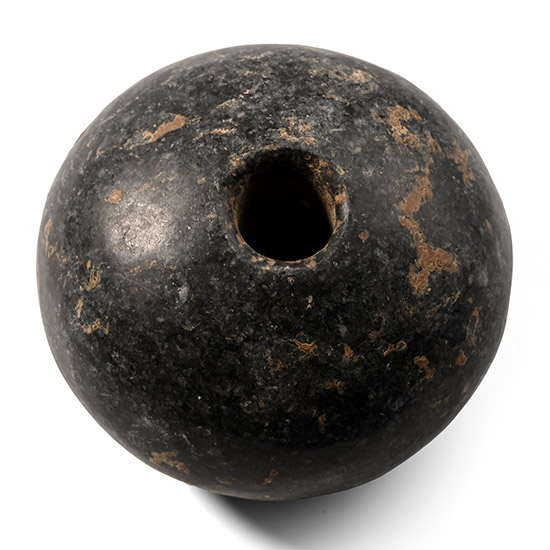
Western Asiatic Polished Stone Macehead
3rd-2nd millennium B.C.Sold for (Inc. bp): £195
Donut-shaped, oblate in profile and drilled vertically to accommodate a wooden shaft. 556 grams, 80 mm
From the collection of North West London, UK, gentleman, early 2000s. -
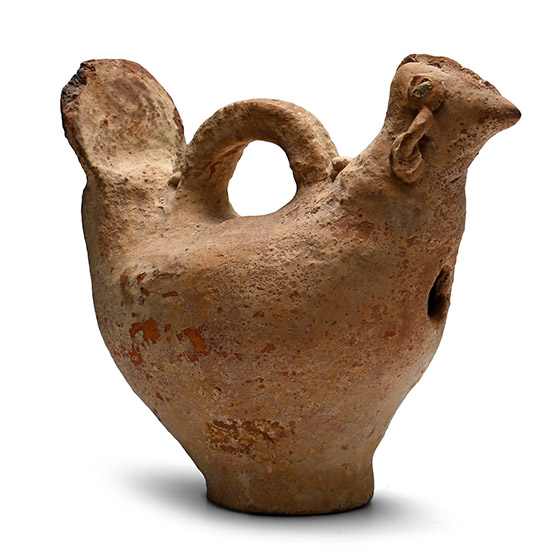
Western Asiatic Terracotta Bird Vessel with Glass Eyes
8th-9th century A.D.Sold for (Inc. bp): £176
Hollow-formed aviform vessel with loop handle and inset glass eyes, lateral loops at the neck. 395 grams, 15.2 cm
UK collection, 1990s. Acquired on the UK art market, before 2000. Private collection, Mr M.V., a London-based businessman.
