
Loading, please wait...
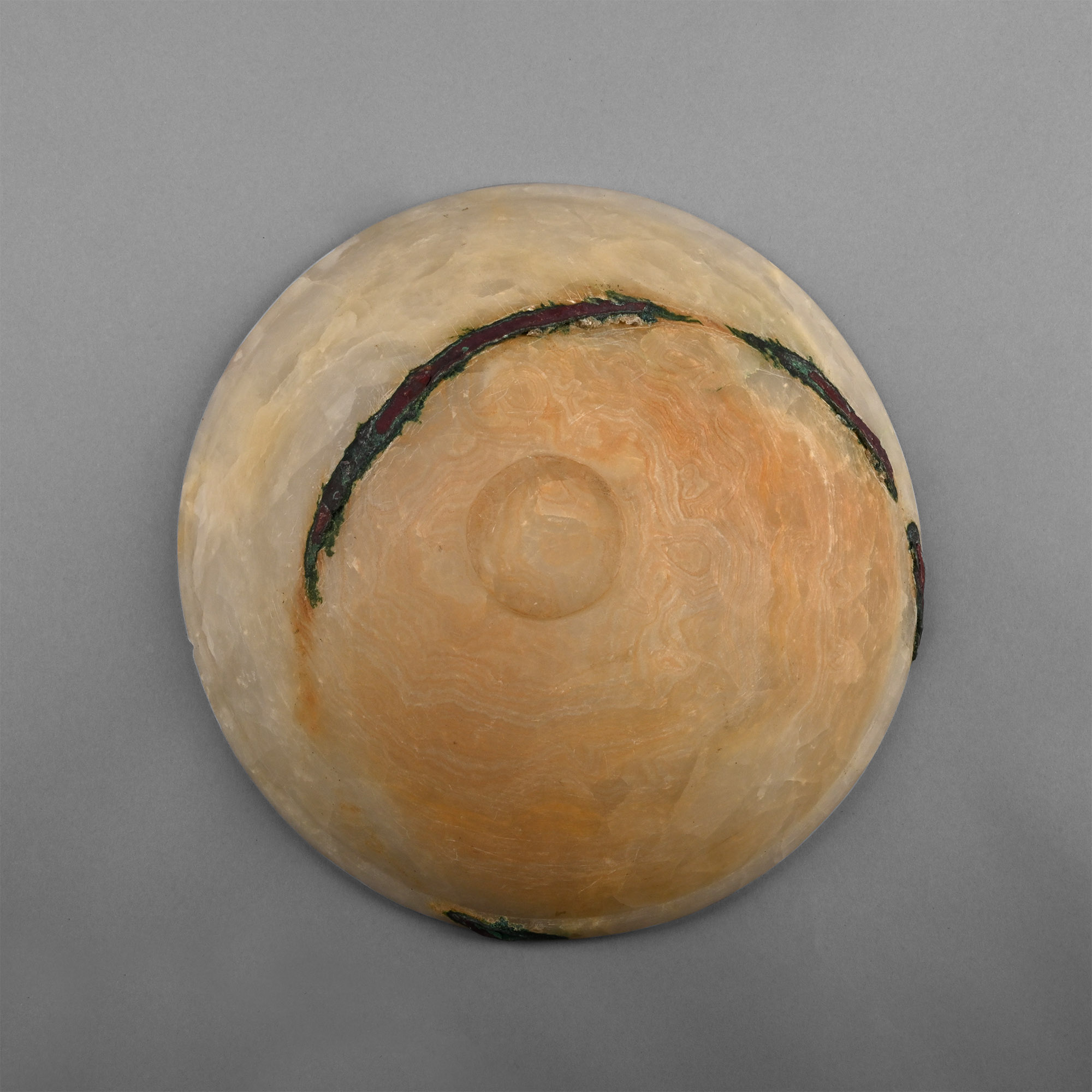
LOT 0283
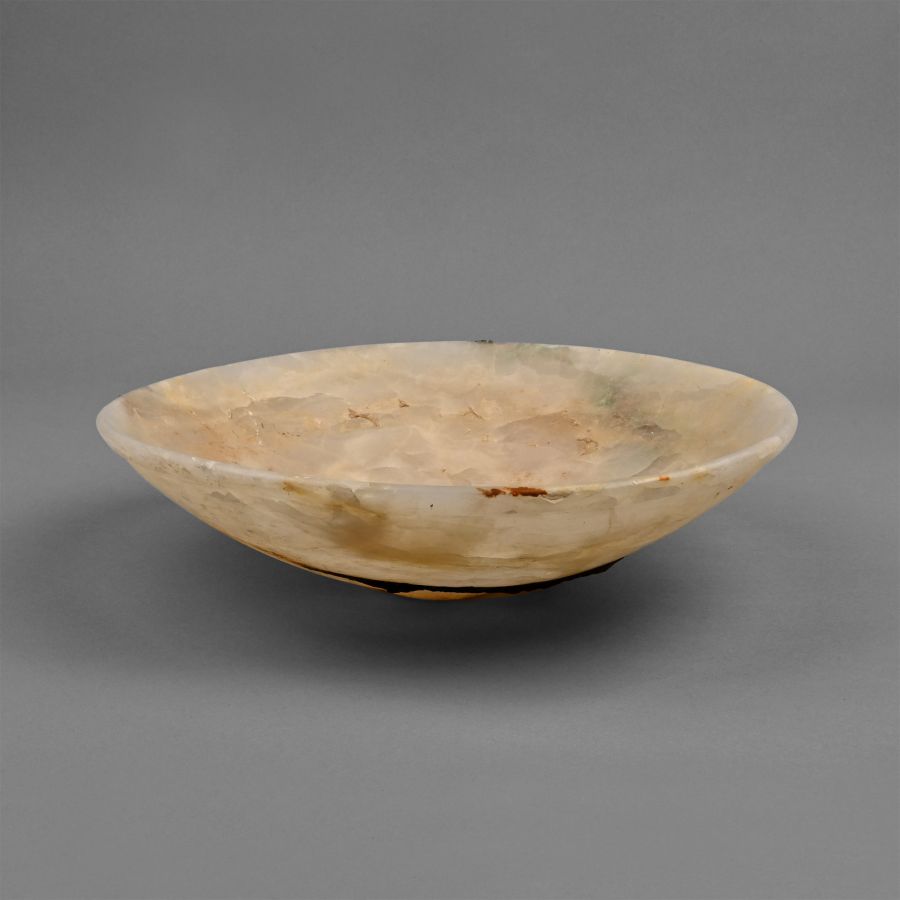
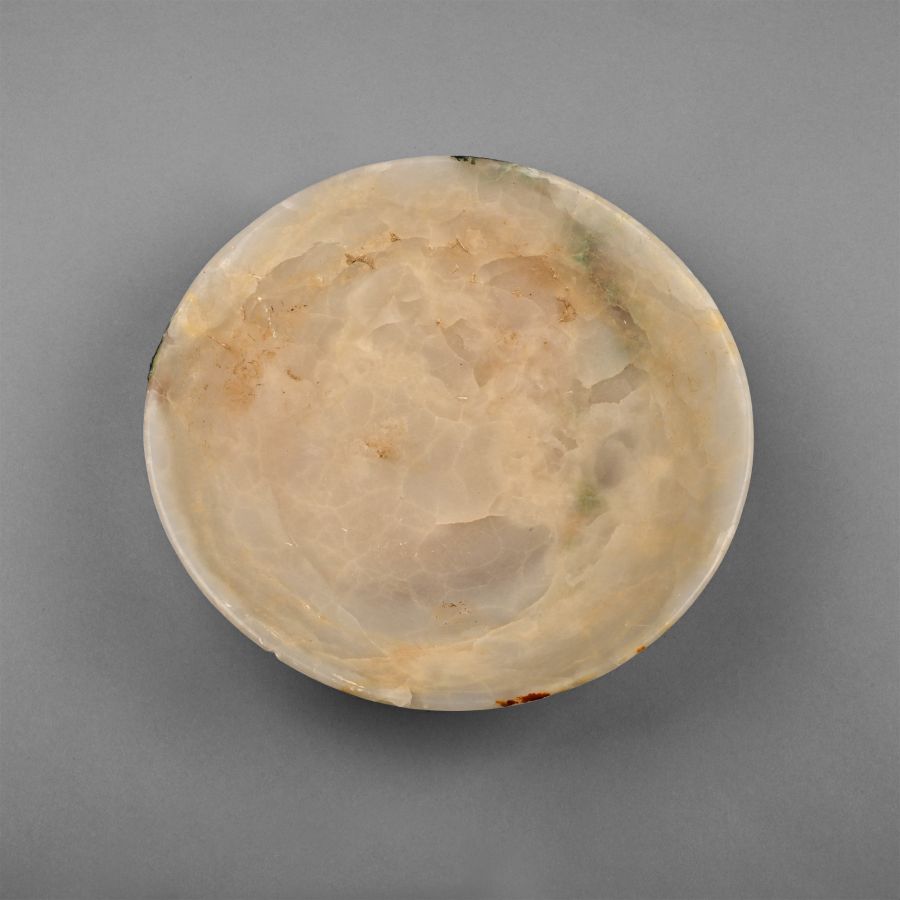
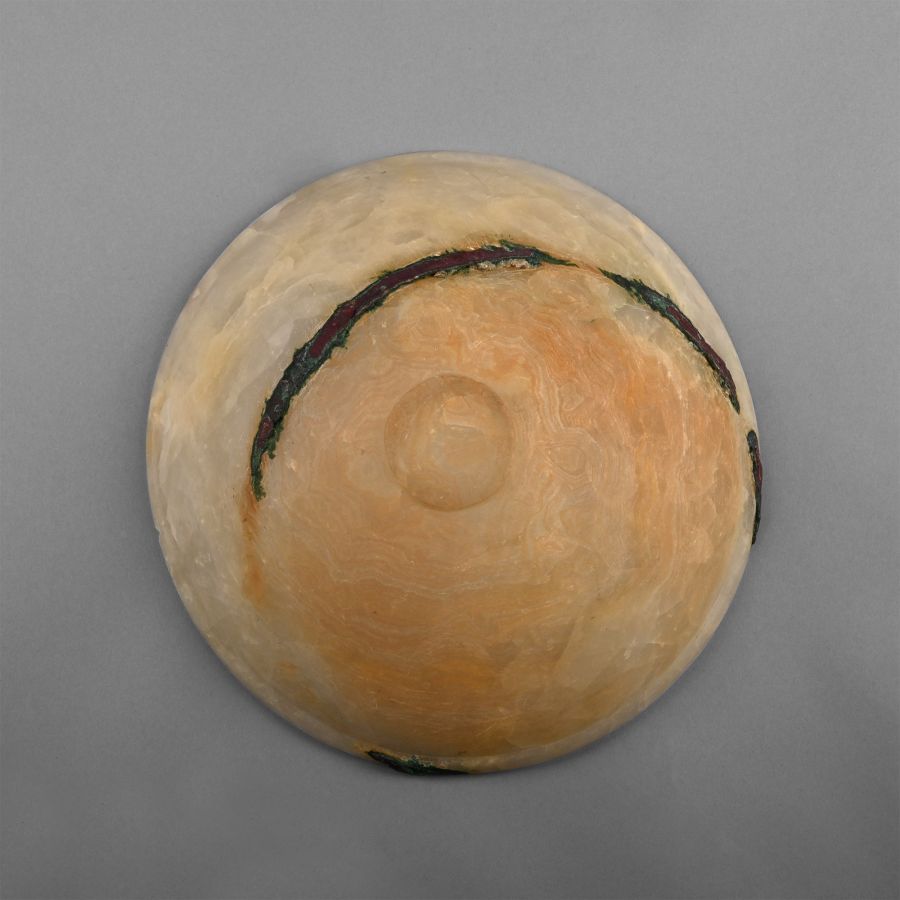
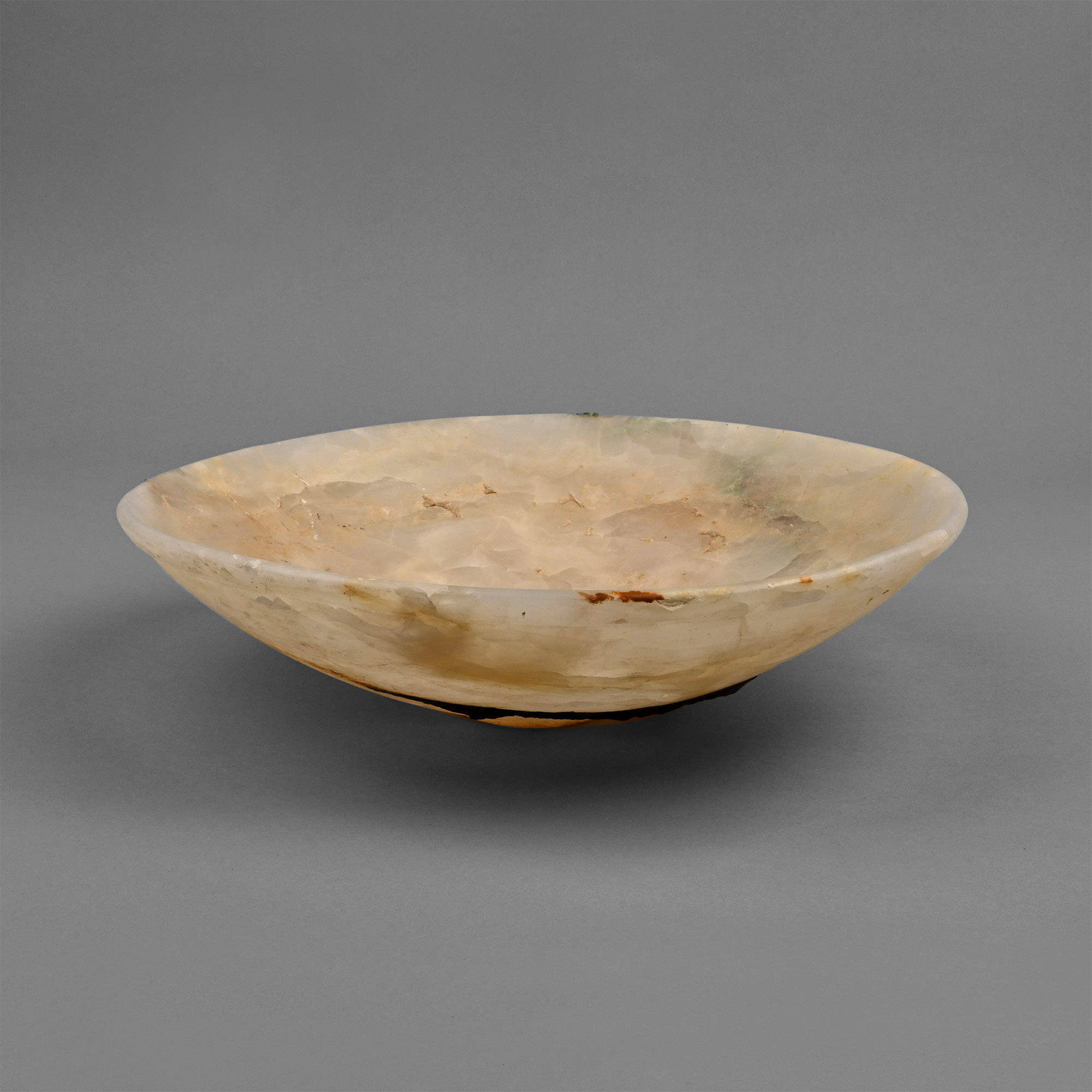
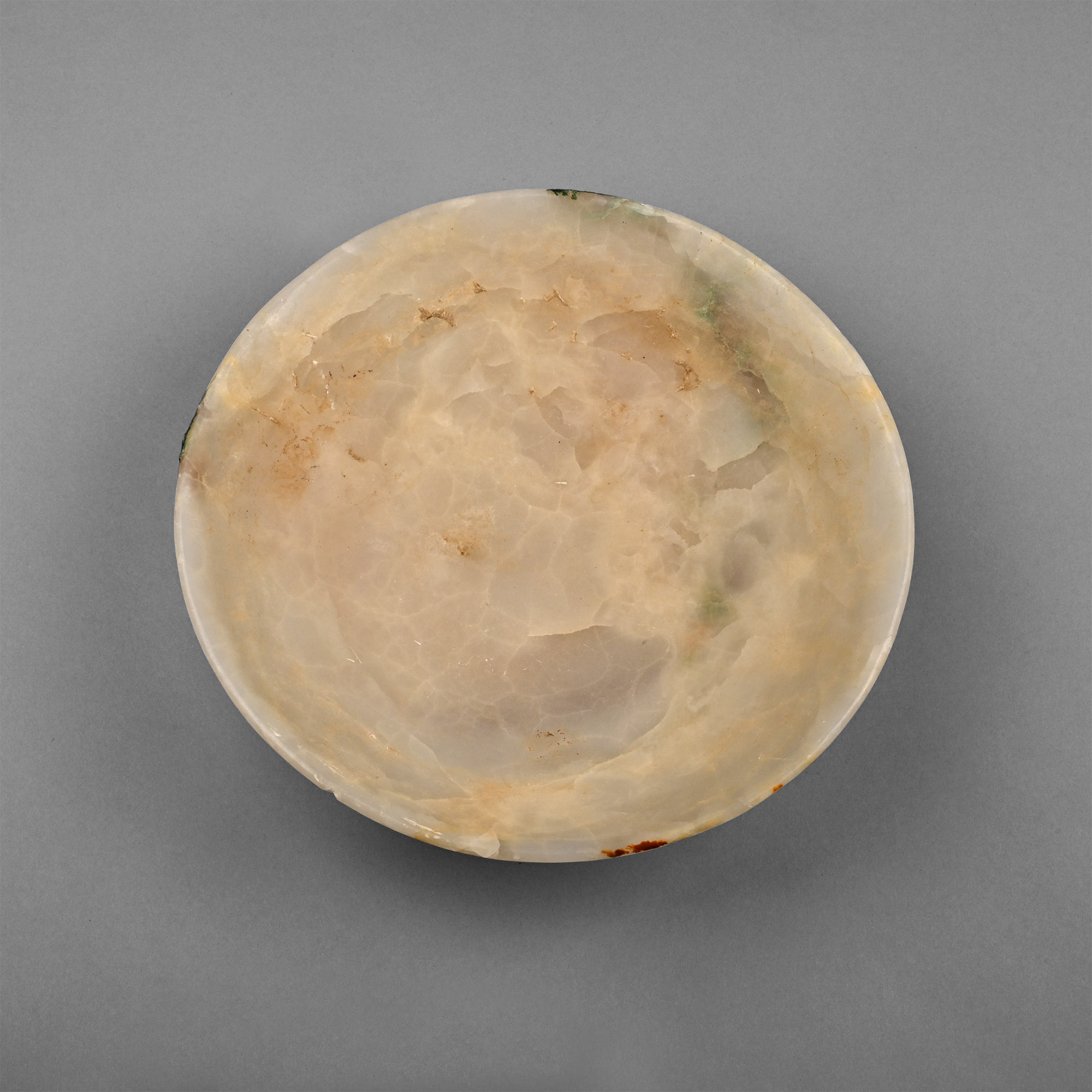
Large Bactrian Alabaster Bowl with Bronze-Encrusted Base
3500-3100 B.C.
11 3/4 in. (2.21 kg, 30 cm wide).
Broad shallow bowl with integral basal ring, carination below the rim, encrusted bronze circle to the underside. [No Reserve]
ProvenancePrivate collection, Kent, UK.
CONDITIONTimeLine Auctions follows a vetting process to ensure the authenticity and legality of all items, reinforcing our commitment to integrity and responsible trading. Each antiquity, antique, and coin lot undergoes thorough examination by a vetting committee of at least ten external specialists, professional trade association members, scientists, and archaeologists: Our Vetting Process
AUCTIONS:
TimeLine is a leading auction house specialising in antiquities, ancient art, collectables, natural history, coins, medals, and books. Our auctions offer museums, collectors, historians, and enthusiasts the opportunity to acquire unique and historically significant pieces.
LOT 0283
Large Bactrian Alabaster Bowl with Bronze-Encrusted Base
Sold for (Inc. bp): £780
-
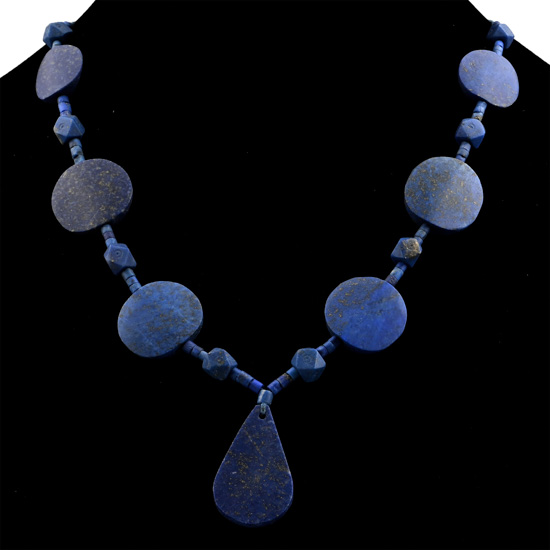
Bactrian Style Lapis Lazuli Coin-Shaped and Other Bead Necklace String
20th century A.D.Sold for (Inc. bp): £52
Restrung group of annular and tabular beads with a teardrop-shaped pendant. 63 grams, 36.5 cm
From London, UK, gallery collection, 1990s. -
.jpg)
Large Bactrian Banded Agate Bead Pair
Circa 1st millennium B.C.-early 1st millennium A.D.Sold for (Inc. bp): £169
Of oval shape, pierced longitudinally. 53 grams total, 40 mm
Acquired on the UK art market. Private collection, England. -
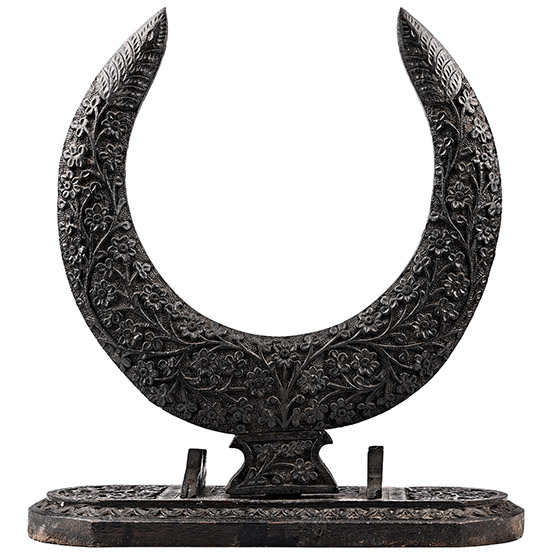
Ottoman Carved Wooden Stylus Base
19th century A.D.Sold for (Inc. bp): £72
Carved with repeating patterns of flowers and foliage on the base and separate crescent upstand; two lugs to the base with curved slot. 847 grams, 29.6 cm high
Private collection, London, UK.
