
Loading, please wait...
LOT 0213
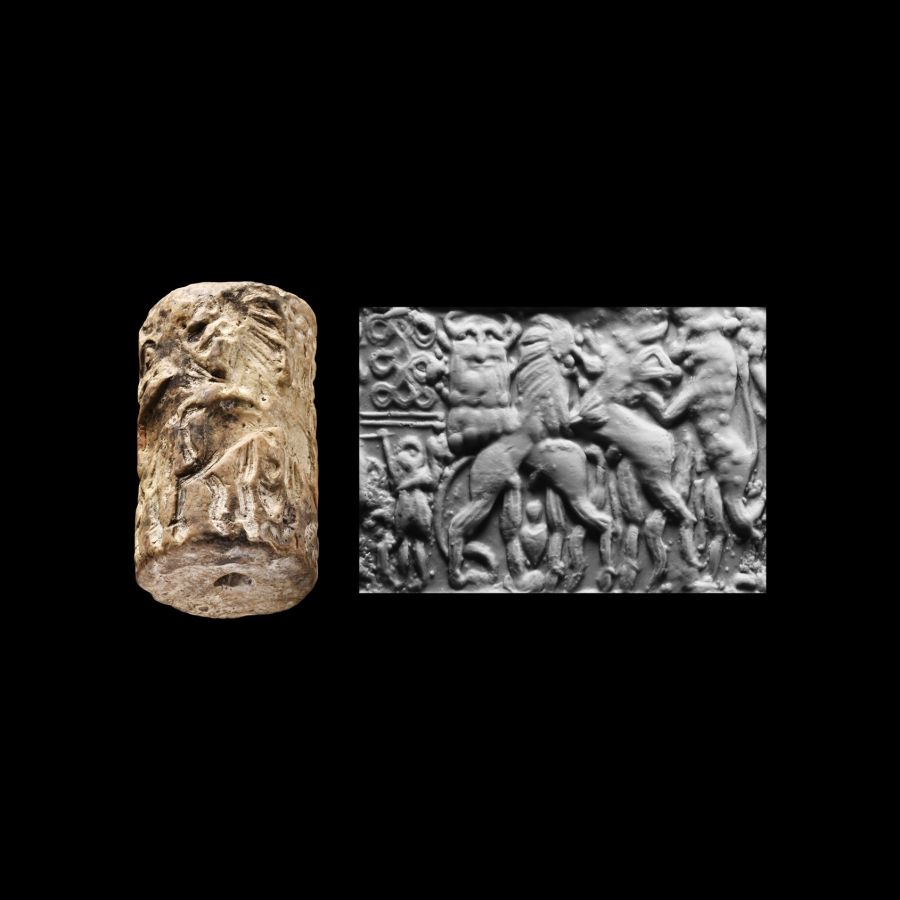
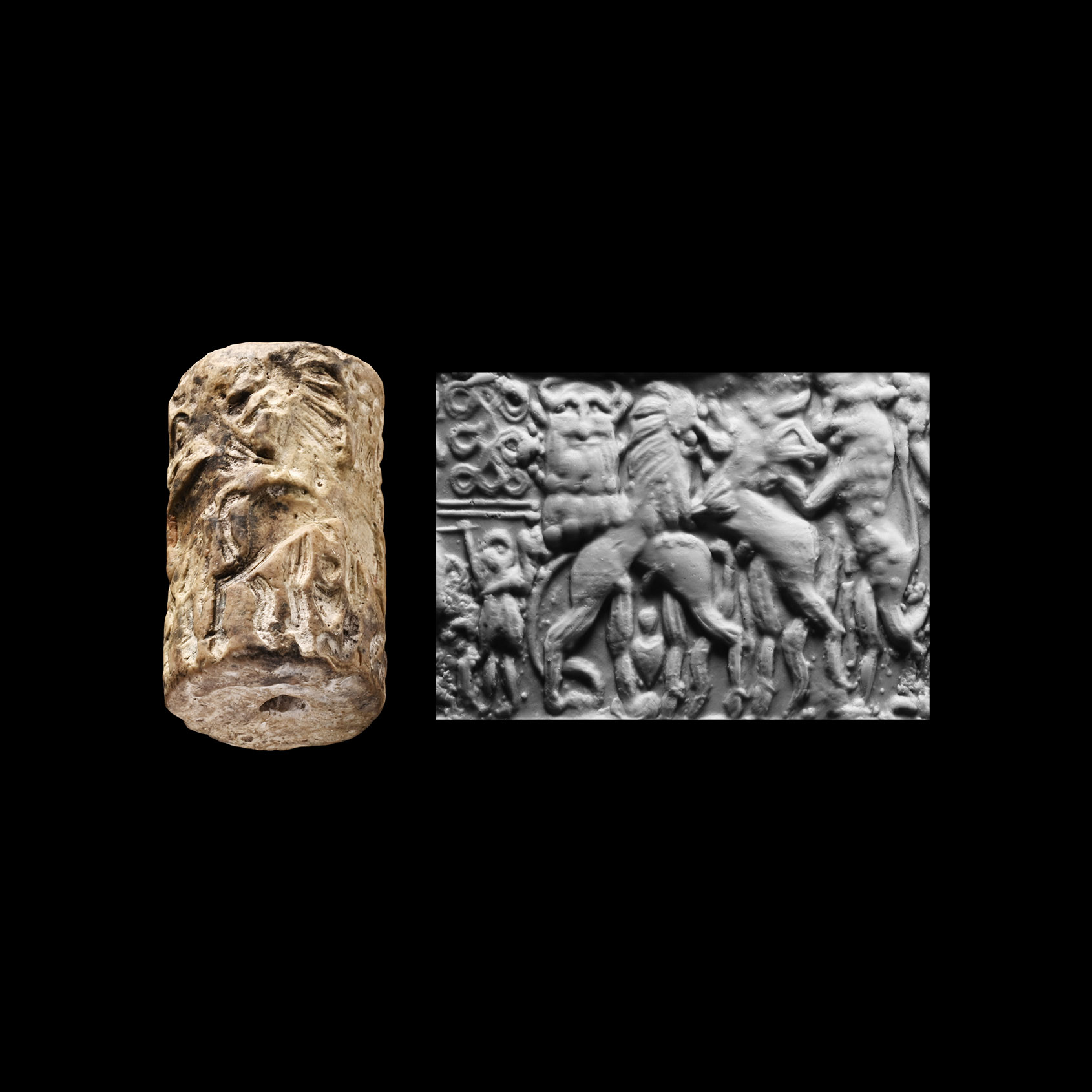
Large Akkadian White Stone Cylinder Seal
CIRCA 2ND-1ST MILLENNIUM B.C.
1 3/4 in. (57 grams, 45 mm).
Displaying a frieze composed of human and animal figures; drilled vertically for suspension.
ProvenanceFrom an important London, UK, collection, 1970-1990.
Examined by Professor Wilfrid George Lambert FBA (1926-2011), historian, archaeologist, and specialist in Assyriology and Near Eastern archaeology, in the late 1980s and early 1990s.
TimeLine Auctions follows a vetting process to ensure the authenticity and legality of all items, reinforcing our commitment to integrity and responsible trading. Each antiquity, antique, and coin lot undergoes thorough examination by a vetting committee of at least ten external specialists, professional trade association members, scientists, and archaeologists: Our Vetting Process
AUCTIONS:
TimeLine is a leading auction house specialising in antiquities, ancient art, collectables, natural history, coins, medals, and books. Our auctions offer museums, collectors, historians, and enthusiasts the opportunity to acquire unique and historically significant pieces.
-
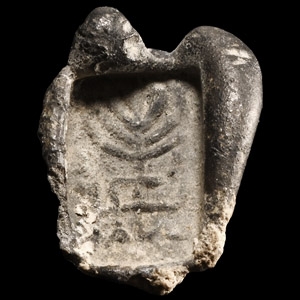
Large Jewish Lead Sealing with Menorah
Circa 2nd century A.D.Sold for (Inc. bp): £780
The simple raised menorah design impressed to one face; impression of textile to the reverse. 3 grams, 17 mm
Collected from 1969-1999. From the collection of the late Mr S.M., London, UK. -
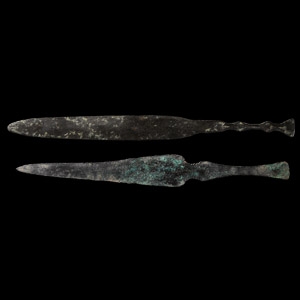
Luristan Bronze Dagger Pair
13th-7th century B.C.Sold for (Inc. bp): £143
Comprising two thin flat leaf-shaped blades with integral handles. 38 grams total, 17.5-18.5 cm
Ex old English collection. London art market, 1980s. -
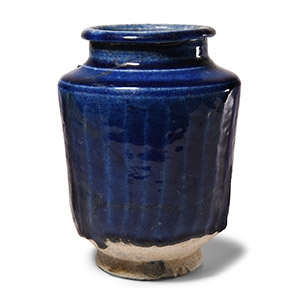
Western Asiatic Deep Blue Glazed Vase
11th-13th century A.D.Estimate: £350 - 450 (+bp*)
Opening Bid: £175
Of roughly barrel-shaped form with integral foot and shallow ribs below dripping glaze; with old 'Mahboubian Gallery CR/257' inventory sticker to one side, repaired. 660 grams, 17 cm high
with a London, UK gallery 1971-early 2000s.
