
Loading, please wait...
LOT 0223
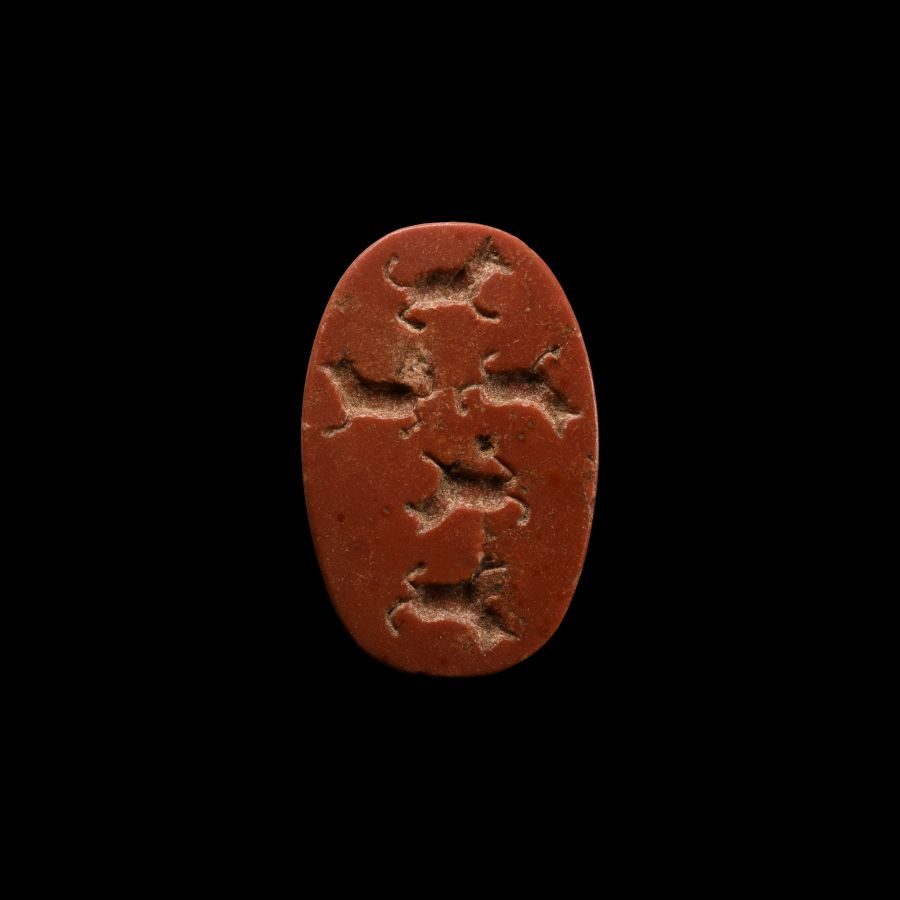
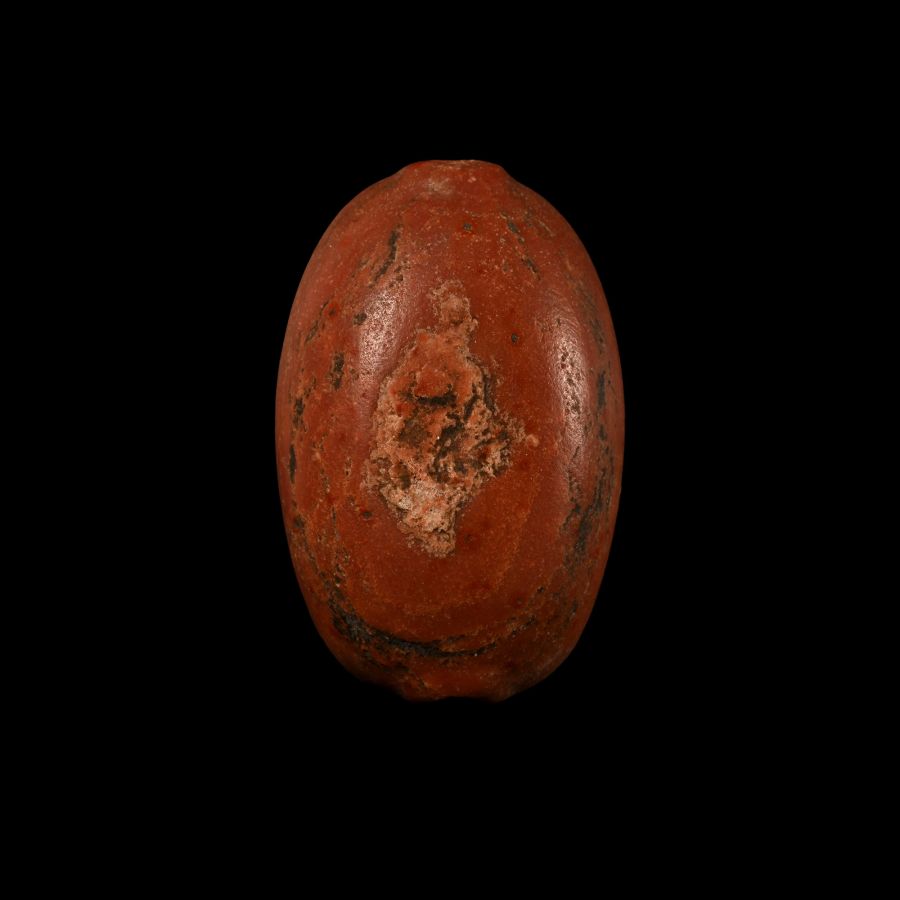
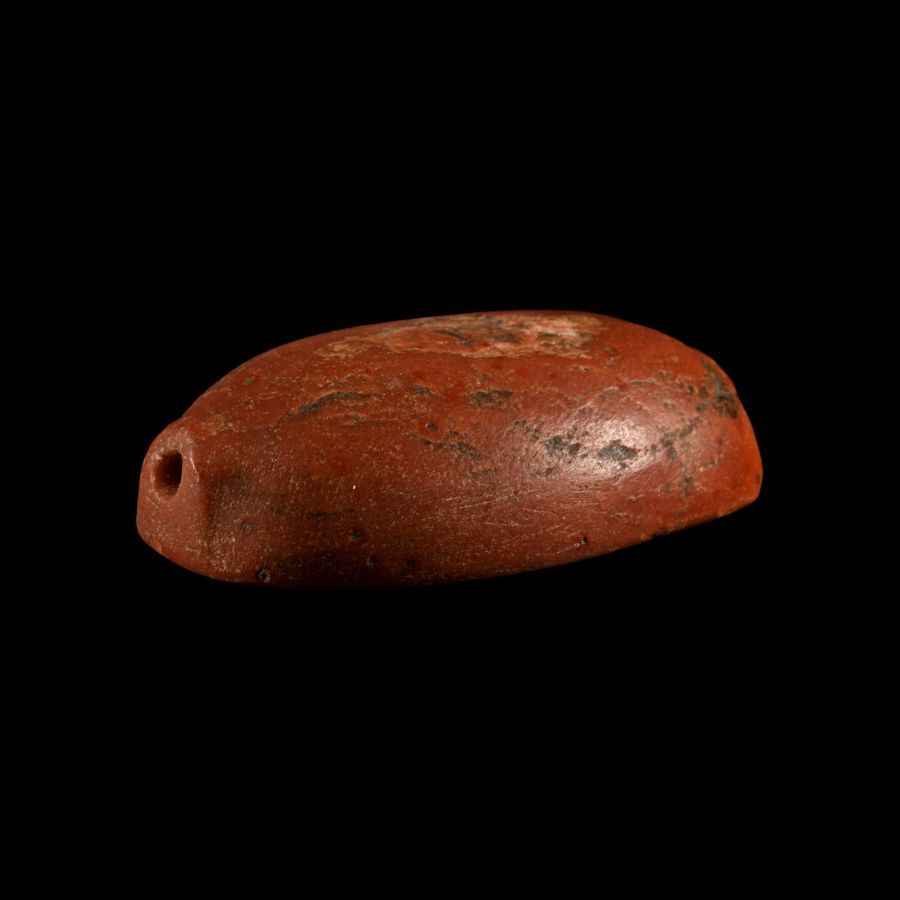
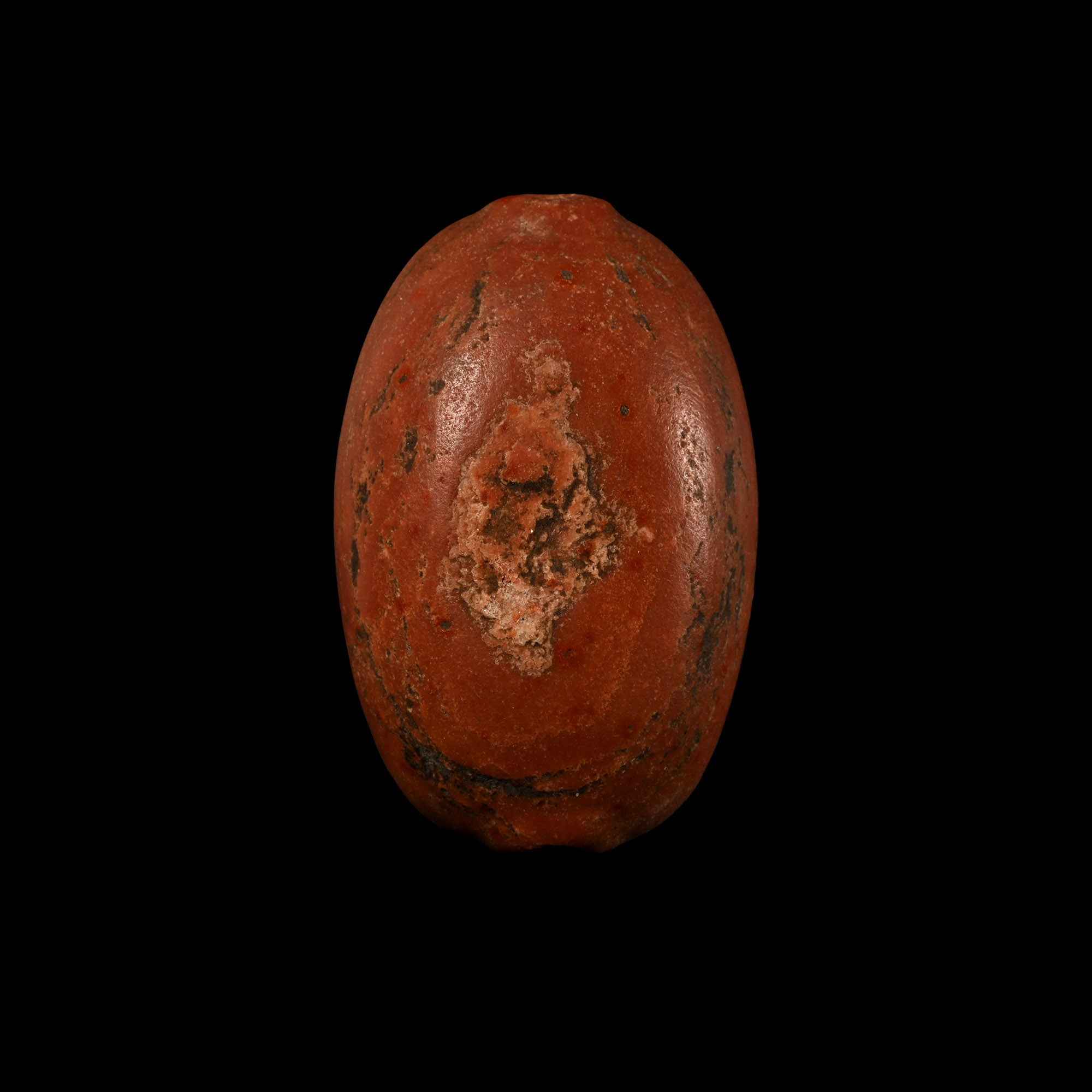
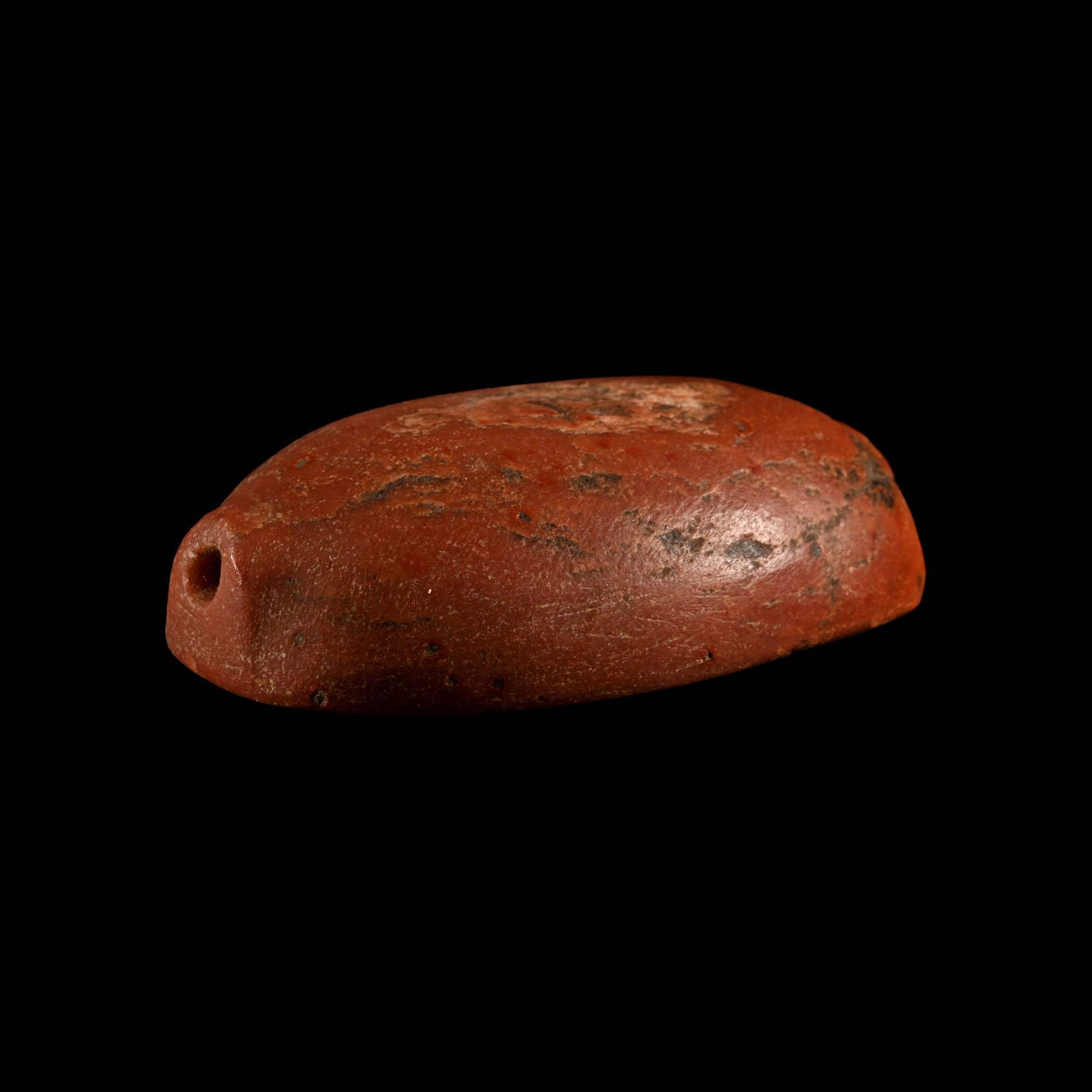
Large Akkadian Red Jasper Seal
CIRCA 2200 B.C.
2 5/8 in. (82.8 grams, 66 mm).
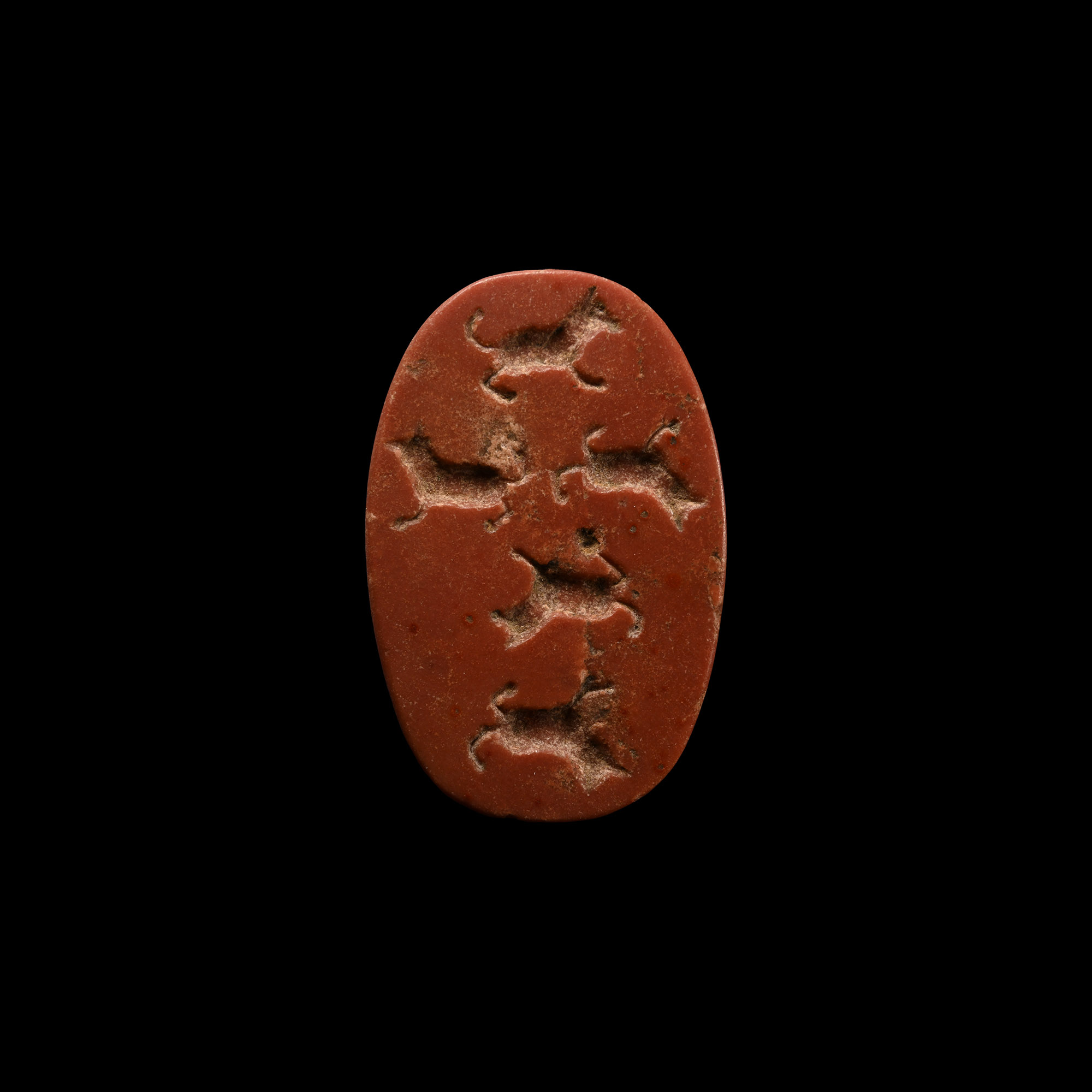
Plano-convex in section with incuse animal forms to the underside.
ProvenancePrivate collection.
Acquired from a Swiss collection, 2002.
Cf. Akkadian seal in jasper with similar figures of animals in Wilson, J.A., Allen, T.G. Ancient Oriental Cylinder and Other Seals, with a description of the collection of Mrs William H.Moore, Chicago, 1940, fig.48.
FootnotesThe seal shows stylistic affinity with Akkadian seals representing animals. A few scenes of daily life occur on Akkadian seals, chiefly on the small number illustrating the history of Etana and the eagle. If Akkadian, our seal can be considered very rare.
CONDITIONTimeLine Auctions follows a vetting process to ensure the authenticity and legality of all items, reinforcing our commitment to integrity and responsible trading. Each antiquity, antique, and coin lot undergoes thorough examination by a vetting committee of at least ten external specialists, professional trade association members, scientists, and archaeologists: Our Vetting Process
AUCTIONS:
TimeLine is a leading auction house specialising in antiquities, ancient art, collectables, natural history, coins, medals, and books. Our auctions offer museums, collectors, historians, and enthusiasts the opportunity to acquire unique and historically significant pieces.
-
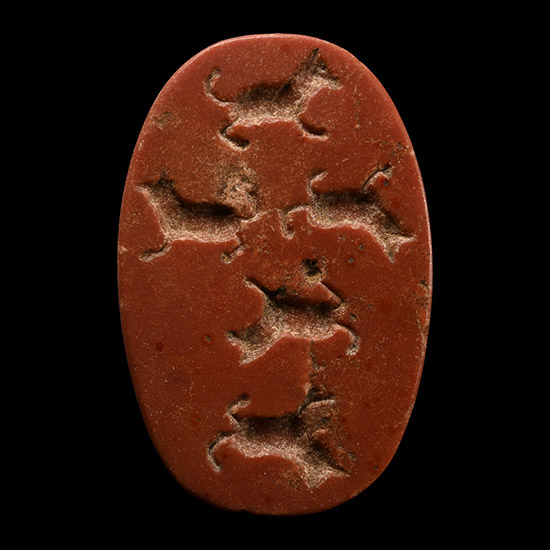
Large Akkadian Red Jasper Seal
Circa 2200 B.C.Sold for (Inc. bp): £780
Plano-convex in section with incuse animal forms to the underside. 82.8 grams, 66 mm
Private collection. Acquired from a Swiss collection, 2002.
The seal shows stylistic affinity with Akkadian seals representing animals. A few scenes of daily life occur on Akkadian seals, chiefly on the small number illustrating the history of Etana and the eagle. If Akkadian, our seal can be considered very rare. -
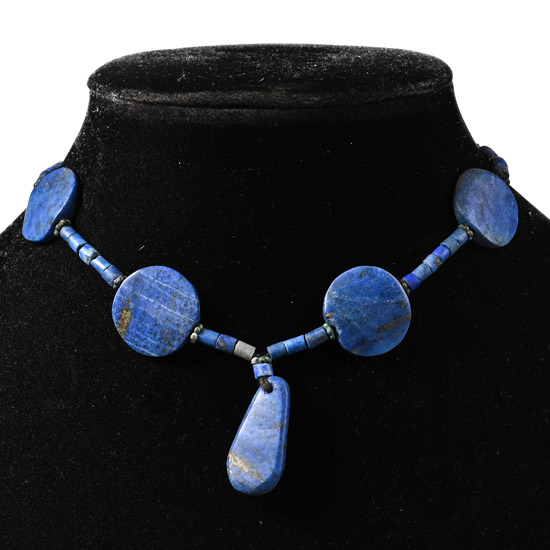
Bactrian Style Lapis Lazuli Bead Necklace String
20th century A.D.Sold for (Inc. bp): £39
Composed of tubular and coin-shaped beads with a teardrop-shaped pendant, restrung. 30.7 grams, 34.3 cm
Acquired in the 1990s-early 2000s. Ex London, UK, collection. -
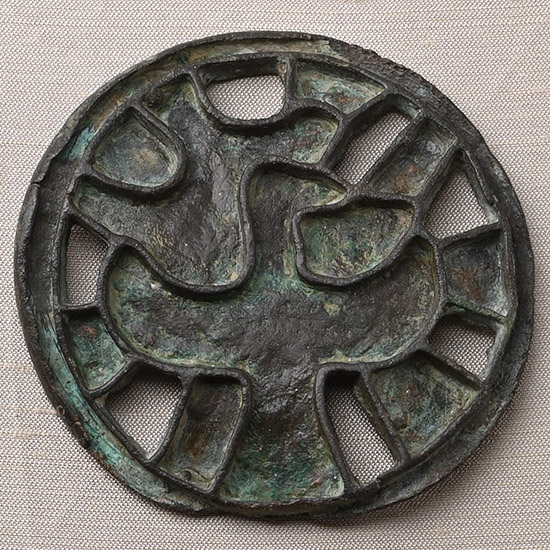
Bactrian Bronze Stamp Seal of a Bird
2nd millennium B.C.Sold for (Inc. bp): £156
Openwork disc with segmented detailing, mounted in a wooden frame. 298 grams total, seal: 58.6 mm
Ex London, UK, gallery, 1971-early 2000s. London, UK, collection.
