
Loading, please wait...
_900x900.jpg "Lapis Lazuli Bead Necklace String")
_200x200.jpg "Lapis Lazuli Bead Necklace String")
.jpg "Lapis Lazuli Bead Necklace String")
LOT 2894
Lapis Lazuli Bead Necklace String
13 in. (25 grams, 33 cm).
Composed of coin-shaped beads interspersed with small tubular beads, teardrop-shaped pendant; restrung. [No Reserve]
ProvenanceFrom the London, UK, art market in the 1990s.
CONDITIONTimeLine Auctions follows a vetting process to ensure the authenticity and legality of all items, reinforcing our commitment to integrity and responsible trading. Each antiquity, antique, and coin lot undergoes thorough examination by a vetting committee of at least ten external specialists, professional trade association members, scientists, and archaeologists: Our Vetting Process
AUCTIONS:
TimeLine is a leading auction house specialising in antiquities, ancient art, collectables, natural history, coins, medals, and books. Our auctions offer museums, collectors, historians, and enthusiasts the opportunity to acquire unique and historically significant pieces.
-
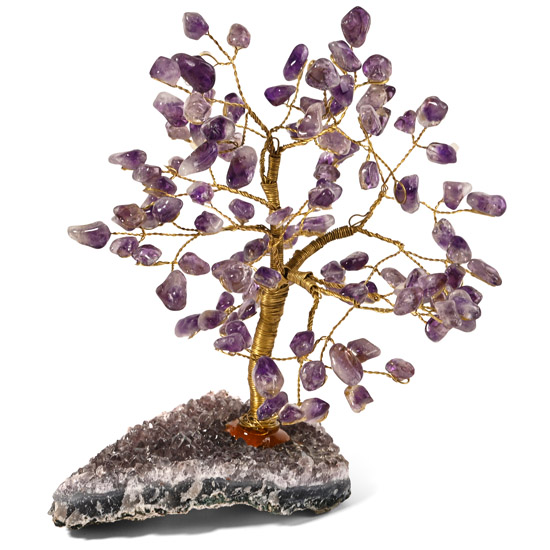
Amethyst Gem Tree on Amethyst Crystal Geode Section
Sold for (Inc. bp): £46
Irregular geode matrix with light purple amethyst crystals; the metal branches tipped with polished light-coloured amethyst pebbles. 385 grams, 19 cm
From Brazil. Ex Mineral Imports, London, UK. Gregory, Bottley & Lloyd (Gregory's), Harwich, UK. -
![Group of Ten [10] Cut and Polished Agate Geode Slices](https://timelineauctions.com/upload/images/items/small/251115-s.jpg)
Group of Ten [10] Cut and Polished Agate Geode Slices
Sold for (Inc. bp): £52
Comprising ten translucent slices of agate showing attractive banding, one a moss agate slice. 666 grams total, 8.1-13.2 cm
From Brazil. Ex Mineral Imports, London, UK. Gregory, Bottley & Lloyd (Gregory's), Harwich, UK. -
![Collection of Three [3] Cut and Polished Agate Geode Ends](https://timelineauctions.com/upload/images/items/small/251043-s.jpg)
Collection of Three [3] Cut and Polished Agate Geode Ends
Sold for (Inc. bp): £39
A boxed group of three polished geode sections showing contrasting colours and banding. 2.77 kg total, 9.6-19.6 cm
Ex Mineral Imports, London, UK. Gregory, Bottley & Lloyd (Gregory's), Harwich, UK.
