
Loading, please wait...

LOT 1936
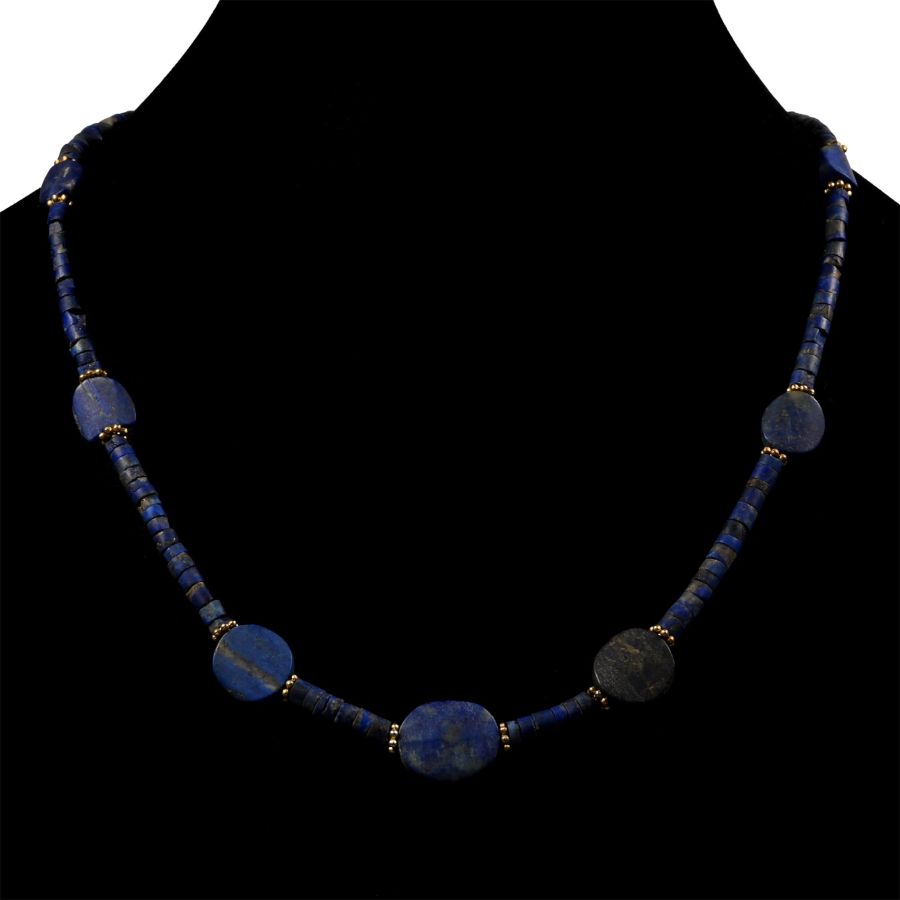
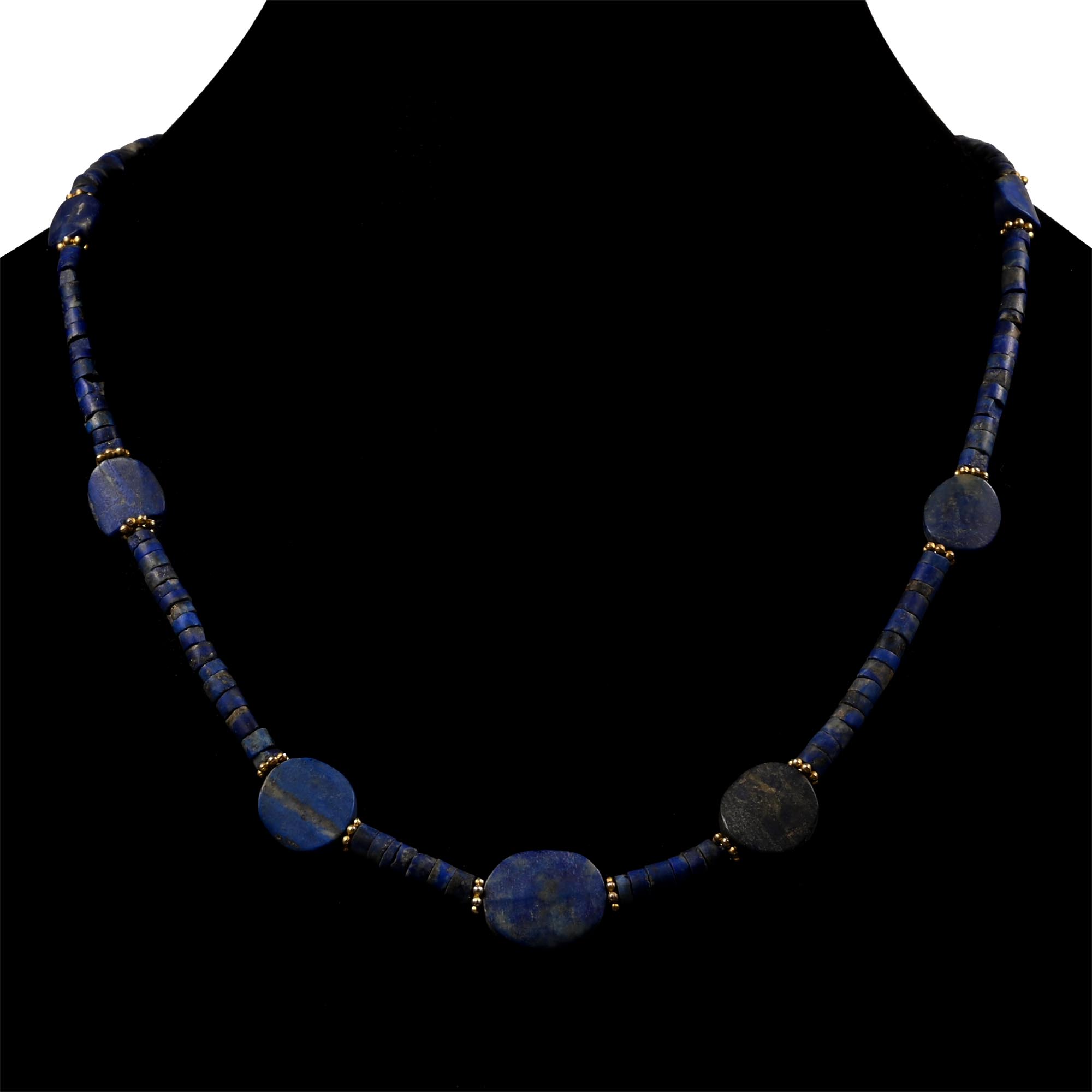
Lapis Lazuli Bead Necklace String
20TH CENTURY A.D.
18 1/2 in. (32 grams, 47 cm).
Composed of graduated tabular beads with a gold-coloured metal collar to each side, smaller cylindrical beads in between; restrung. [No Reserve]
ProvenanceEx London art market.
Property of a North London, UK, gentleman.
TimeLine Auctions follows a vetting process to ensure the authenticity and legality of all items, reinforcing our commitment to integrity and responsible trading. Each antiquity, antique, and coin lot undergoes thorough examination by a vetting committee of at least ten external specialists, professional trade association members, scientists, and archaeologists: Our Vetting Process
AUCTIONS:
TimeLine is a leading auction house specialising in antiquities, ancient art, collectables, natural history, coins, medals, and books. Our auctions offer museums, collectors, historians, and enthusiasts the opportunity to acquire unique and historically significant pieces.
-
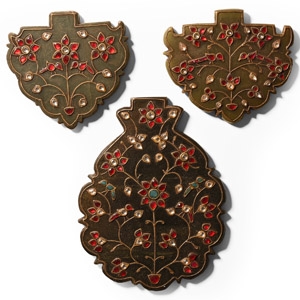
Jadeite Pendants with 'Rubies' and Other Cabochons
20th century A.D.Sold for (Inc. bp): £169
Each with applied wire tendrils and cabochon glass and synthetic rubies. 190 grams total, 6.9-10.8 cm
Property of a South West London gentleman. -
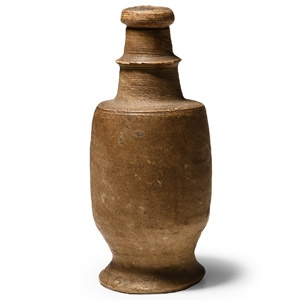
Post Medieval Collared Bottle
Circa 17th century A.D.Sold for (Inc. bp): £46
Baluster-shaped in profile with flared foot, flat shoulder and tapering neck with collar, rounded rim. 319 grams, 15.5 cm
From a family collection mostly formed in the 1940s-1950s, thence by descent. -
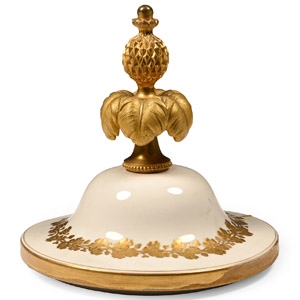
Porcelain Vessel Lid with Gilt Top
19th century A.D.Sold for (Inc. bp): £1
Bell-shaped in profile with gilt oak-leaf band to the flange, gilt rim; cast ostrich-plume band and facetted knop above. 392 grams, 12.2 cm
Private collection, London, UK.
